The President of the United States, Donald Trump, revealed his strategy in the face of a potential change in the composition of the U.S. Congress and anticipated that he would use the power of presidential veto to block initiatives pushed by the Democrats if they gain control of either legislative chamber.
“I will become Mr. Veto,” the president stated during an interview with the New York Post, in which he explained his strategy to maintain his administration's agenda.
The president maintained that he would have no qualms about blocking projects that reach his desk if the left opposition gains a parliamentary majority. He explained that he would resort to that tool for one or two months to force a rapprochement between the parties and reach agreements that would allow progress on initiatives.
“If that happens, I guess I will become Mr. Veto. [...] It wouldn’t be the first time a president doesn’t have the House of Representatives or the Senate. They will send projects, you veto them, and finally, after one or two months of vetoes, they come and an agreement is reached,” Trump noted.
In the same vein, the president summarized how he would apply that strategy against the opposition's proposals: “They will send things, you veto them.”
In this way, he made it clear that he does not see a potential loss of the Republican majority as an impediment to defending his agenda, but rather seeks to use presidential powers to negotiate from a position of strength.
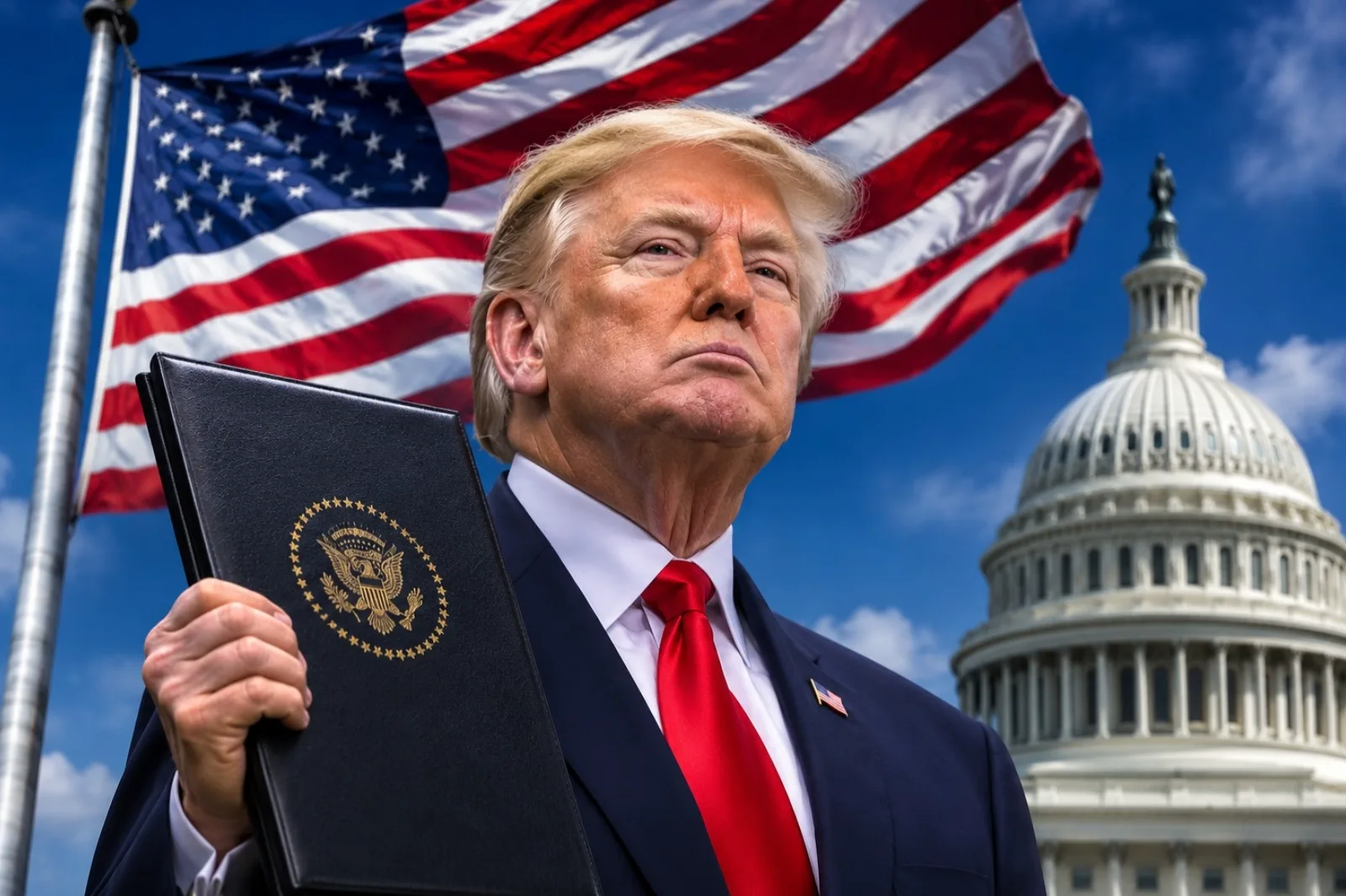
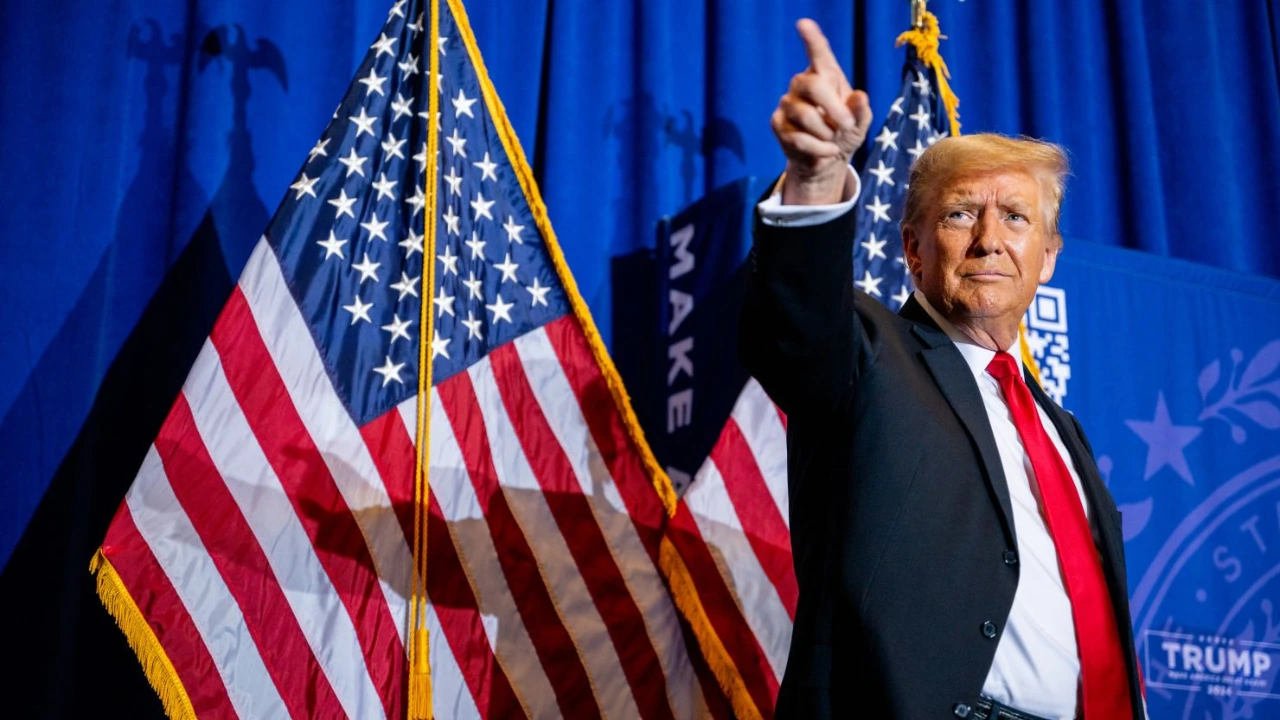
President Donald Trump.
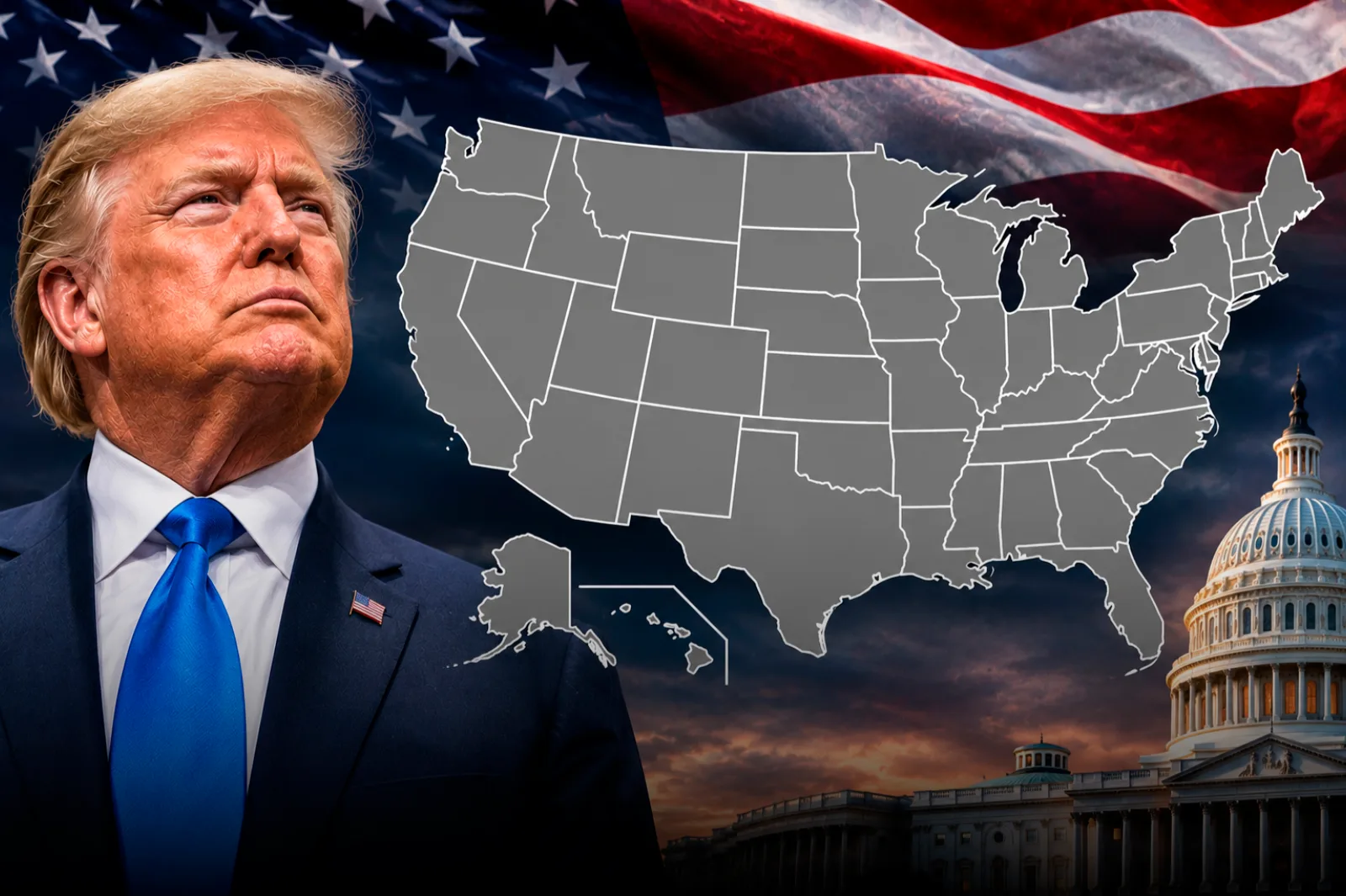
The U.S. Legislative Elections
Currently, the Republican Party holds a narrow majority in both the House of Representatives and the Senate. However, the scenario could change with the midterm elections scheduled for next Tuesday, November 3 in the United States.
The elections will renew all 435 seats in the lower house and nearly one-third of the Senate seats. Polls show that the Democrats have a chance to regain control of the House, while the contest for the majority in the upper chamber appears tighter.
A potential opposing majority would allow the Democratic Party to push its own laws, block Republican projects, and exert greater influence over executive decisions. Additionally, it would have the capacity to delay or reject appointments to judicial and governmental positions.
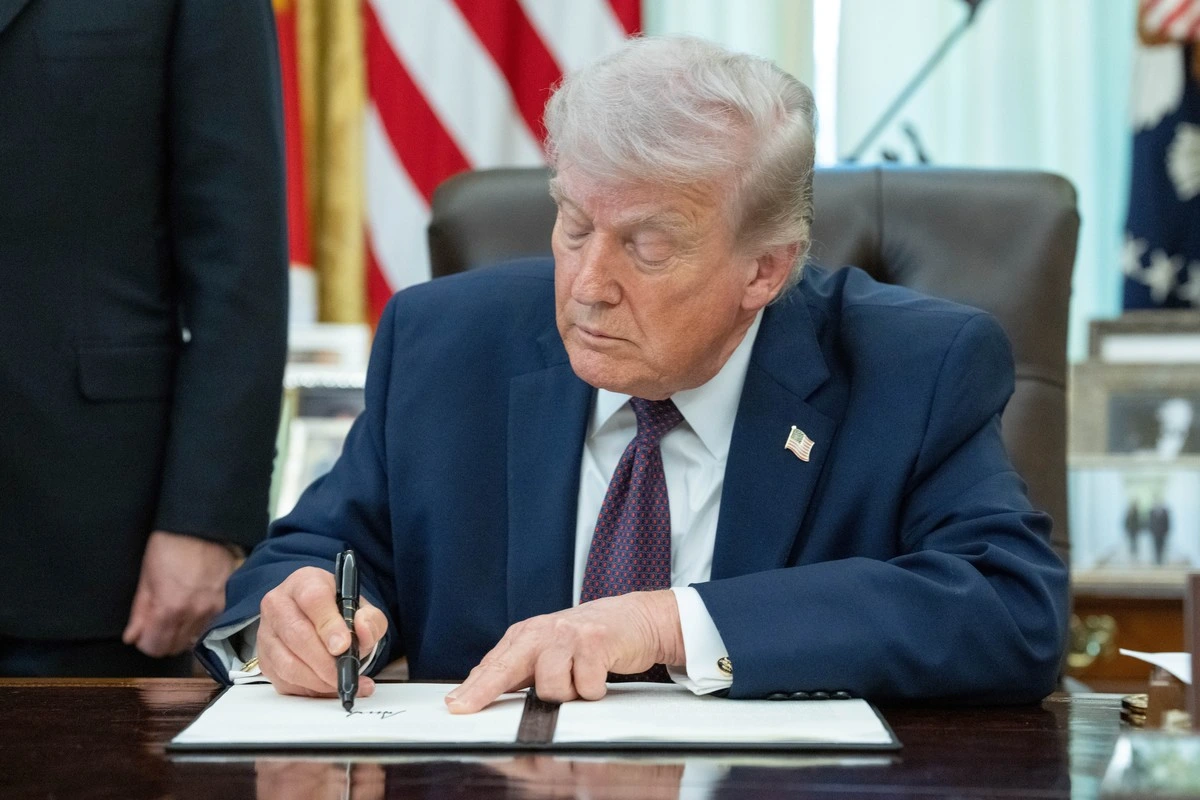
President Donald Trump.
Nevertheless, Trump would retain a key institutional tool to defend his administration's decisions: the presidential veto. The U.S. Constitution states that to override a presidential veto, lawmakers need to gather a two-thirds majority in both chambers, a requirement that poses a considerable challenge for the opposition.
With his statements, Trump anticipated that he would not easily yield to a potential Democratic advance in Congress and that he would use all the powers of his office to maintain his agenda-setting capacity.