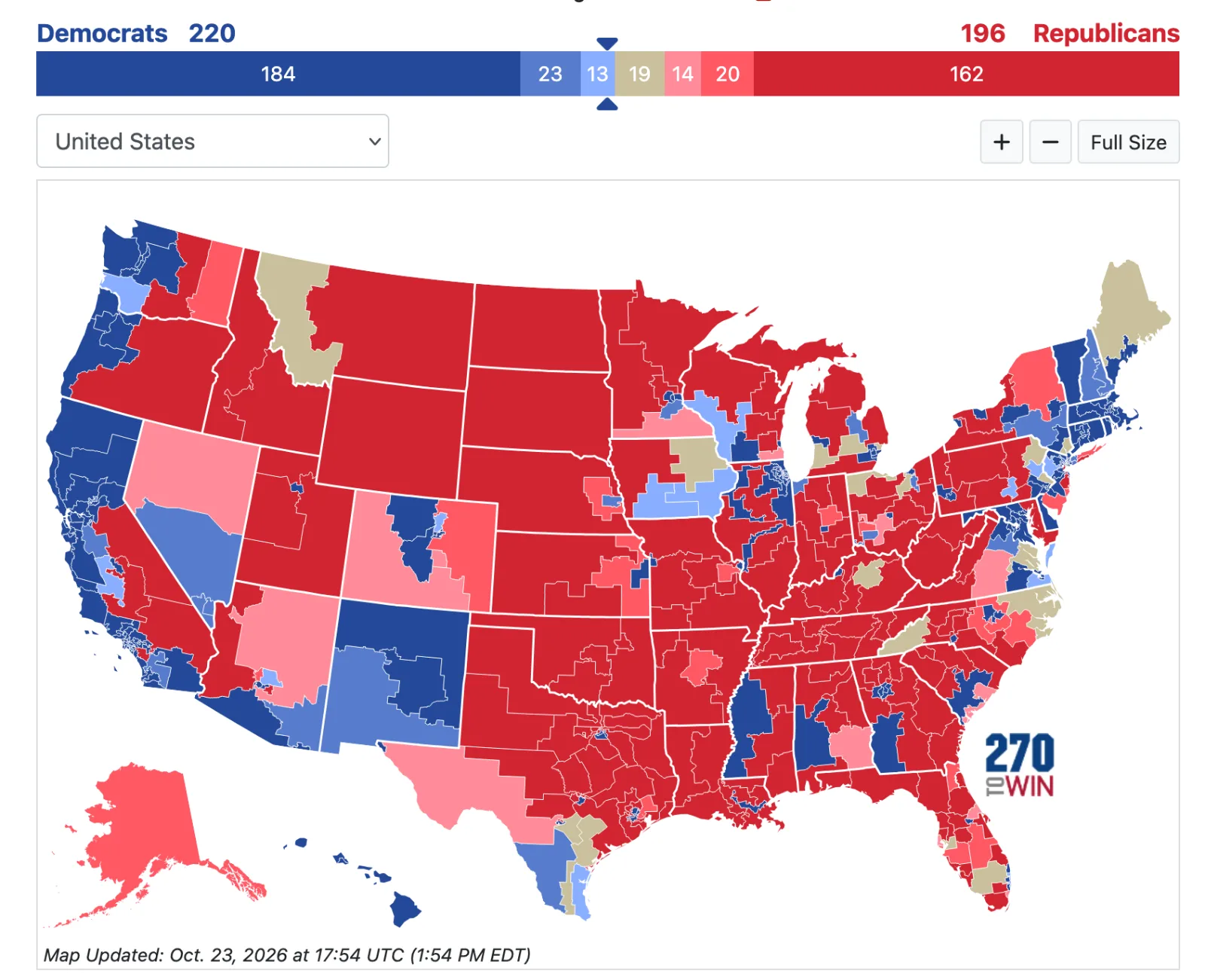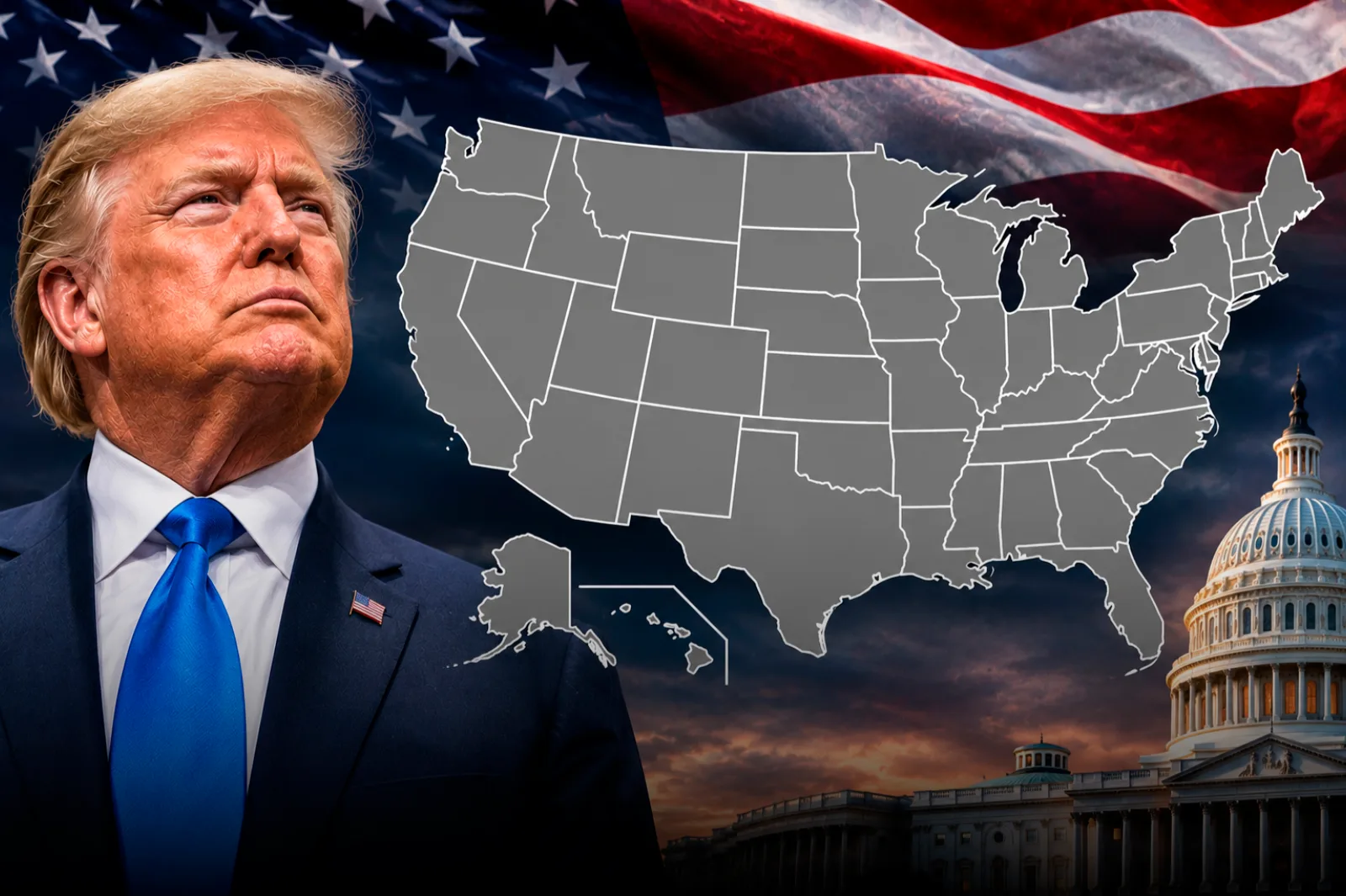

Tomorrow, the Republican Party will defend its narrow majorities in both the House of Representatives and the U.S. Senate in the midterm elections. These elections, in addition to determining control of Congress for the next two years, will define the future of the country and the remainder of Donald Trump's term.
"If they elect a Republican House of Representatives and Senate on November 3, we will continue to put America first every single day," Trump promised on the campaign trail last week, asserting that if the Democrats take control, "this country will go to hell."
Similarly, it is worth noting that traditionally the party in the White House has lost seats during midterm election years, with former Republican President George W. Bush in his early years being the only exception in modern history before we go back to Franklin Delano Roosevelt.
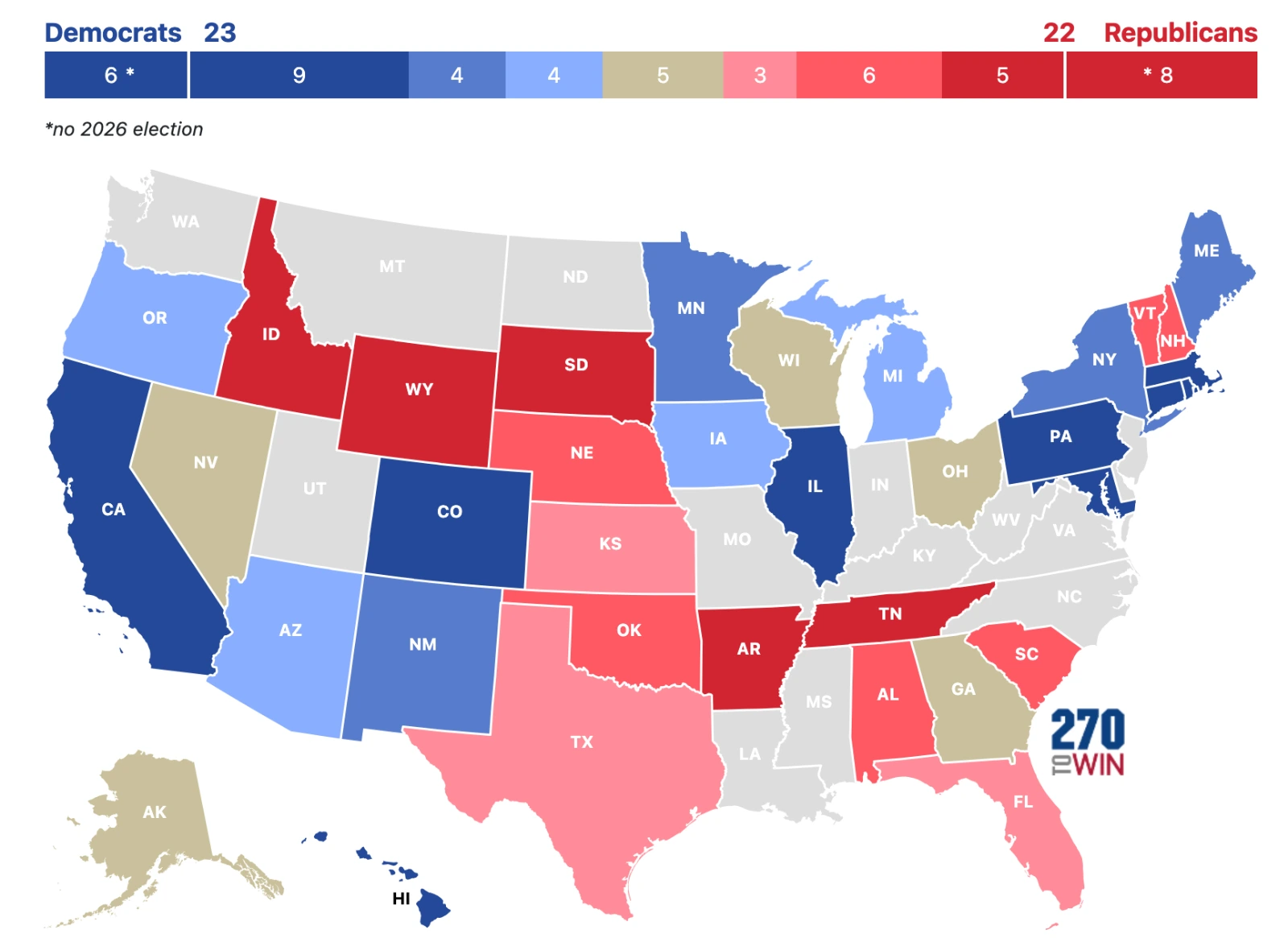
On the other hand, gubernatorial races will be contested in 36 of the 50 states in the country. Additionally, except in four states, all will hold state legislative elections. Voters will also weigh in on 145 measures that will appear on state ballots across the country.
Below is a detailed analysis of what is at stake this November 3.

SENATE
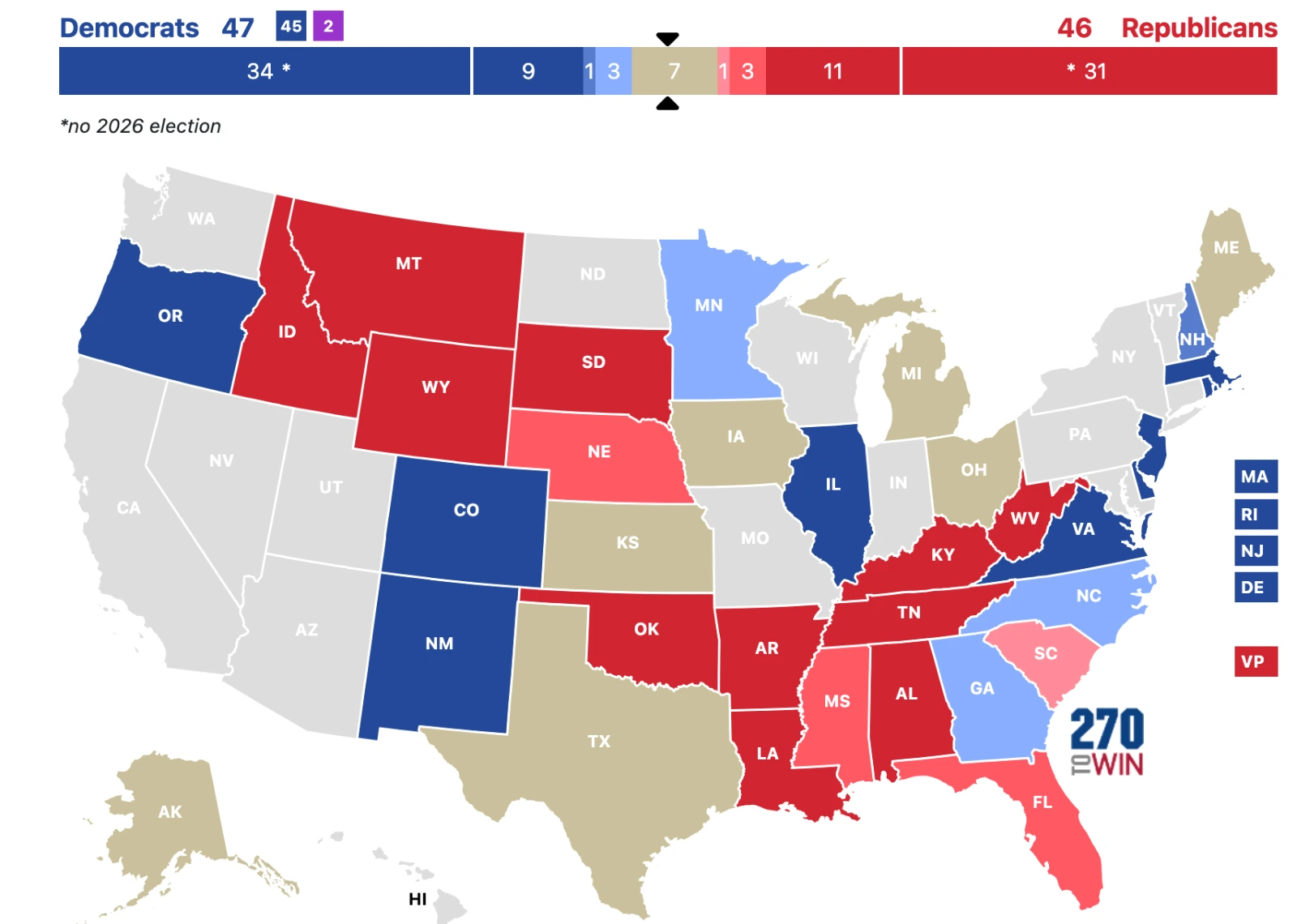
Republicans hold a majority of 53 votes to 47, and there are seven states whose elections poll within the margin of error or are in a technical tie. Both parties are three seats away from a majority. Democrats are favored in 48 seats, while Republicans lead in 47. The majority party needs to maintain 50 seats to keep control of the Senate, as Vice President JD Vance holds the tie-breaking vote.
If Democrats have a dream night and win all the competitive races, they could emerge from the midterm elections with up to 54 seats. But if the right effectively defends itself, Trump's party could end up with 52 seats or even expand its majority.
Republicans are playing defense in Alaska and Maine while trying to seize the seat in Michigan left open by Democratic Senator Gary Peters after announcing he was retiring from politics. There are four states that Trump won comfortably in 2016, 2020, and 2024 — South Carolina, Ohio, Kansas, and Texas — whose elections the polling industry places as very close, giving the Democratic challenger a chance to win the seat.
In Texas, Trump supporter Ken Paxton faces woke pastor James Talarico; in Ohio, Senator Jon Husted defends his seat against Democrat Sherrod Brown; in Alaska, current Senator Dan Sullivan battles for re-election against former Democratic Representative Mary Peltola; in Maine, historic Senator Susan Collins seeks a sixth term against Troy Jackson; and in Michigan, former Representative Mike Rogers aims to defeat radical Muslim Abdul El-Sayed.