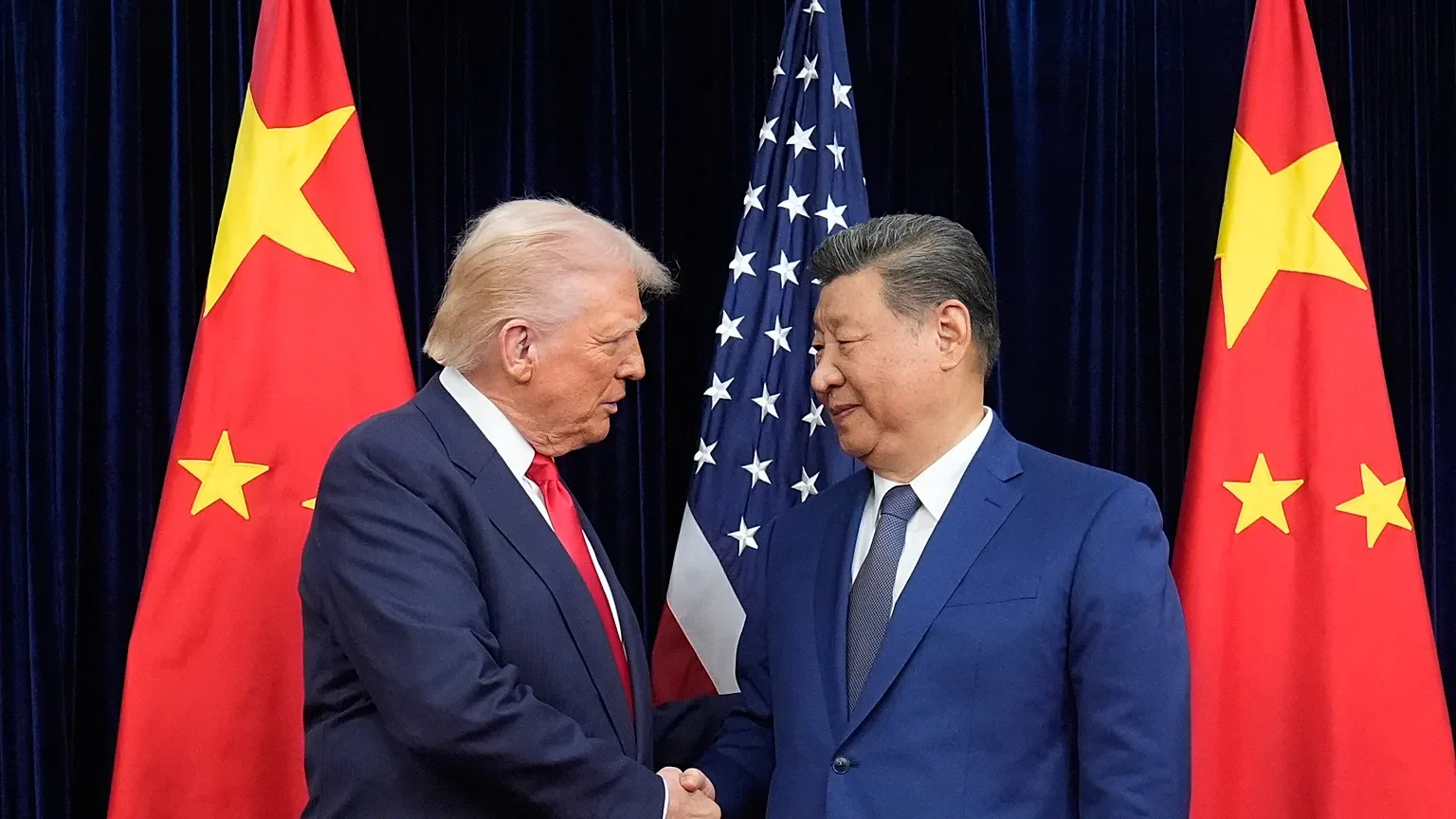
The United States and China agreed to move towards a reduction of tariffs on $30 billion in non-sensitive goods from each country, as part of the outcomes reached during Chinese President Xi Jinping's state visit to Washington and discussions with President Donald Trump.
The understanding was confirmed on Saturday by China's Ministry of Foreign Affairs, a day after the White House released a fact sheet outlining the main agreements reached during the visit. Although the exact percentage of the reductions and the date they will take effect are still unknown, the agreement opens a new phase in trade negotiations between the two largest economies in the world.
The Trump administration presented the understanding as part of its strategy to achieve a more balanced trade relationship with Beijing, while also keeping protected sectors deemed sensitive for U.S. national security.
The Trump administration reached an agreement with the Chinese regime of Xi Jinping to reduce tariffs by billions of dollars
Products that will see tariff reductions
Among the U.S. products that could benefit are agricultural products, fish and seafood, wood, cosmetics, and medical devices intended for the Chinese market. From China to the United States, the scheme includes goods such as small appliances, toys, holiday decorations, and child car seats.
The U.S. Trade Representative, Jamieson Greer, indicated that more details would be disclosed later. The lack of information about specific rates and their implementation means that there are still important aspects to negotiate before the agreement has a full impact on trade exchanges.
The new understanding adds to the extension of the trade truce between Washington and Beijing, which was agreed upon before the meeting between Trump and Xi and will remain in effect until January 10. The deadline aims to provide additional time to negotiate a broader economic agreement and resolve ongoing differences between the two countries.
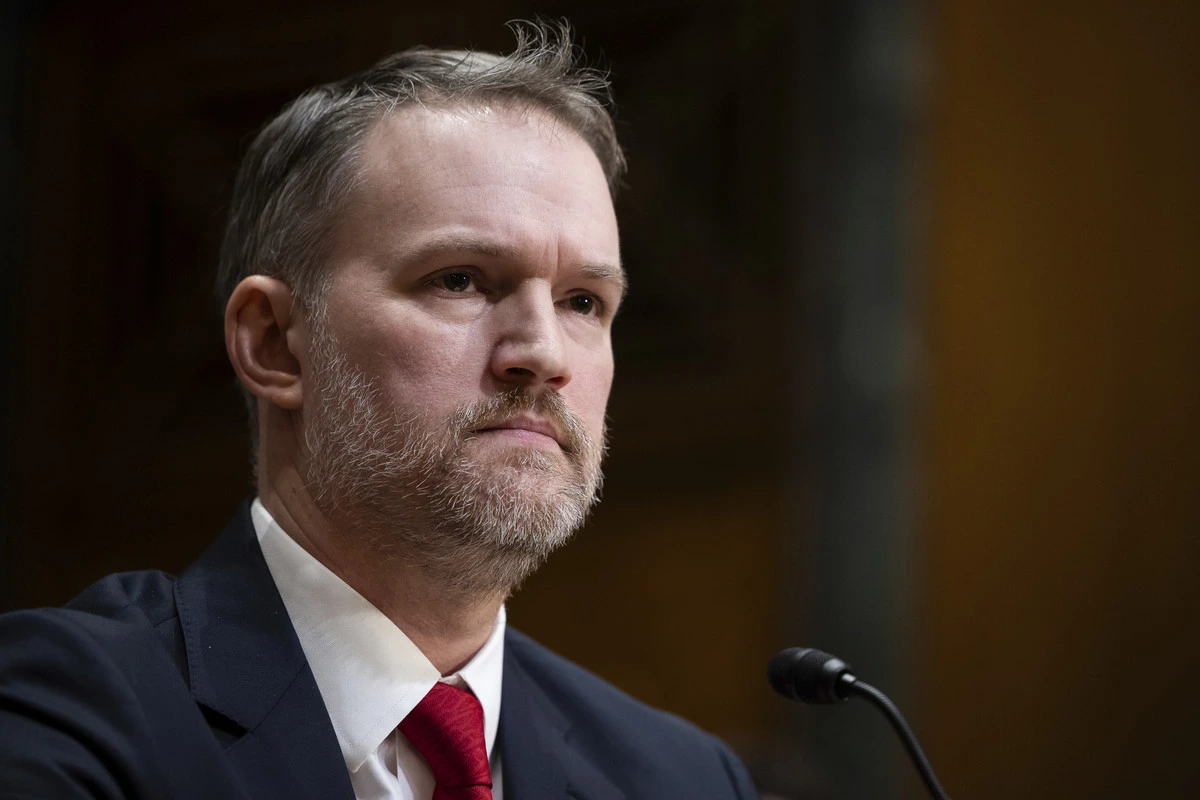
Jamieson Greer assured that they would provide more details of the agreement shortly
During the summit, both governments also activated previously established trade mechanisms. The White House reported that Trade and Investment structures created during the bilateral meeting in May began to operate. Additionally, the United States and China will establish a working group aimed at addressing the barriers faced by U.S. agricultural products entering the Chinese market.
One of the commitments highlighted by Washington is that China will purchase at least 10 million metric tons of U.S. coal in 2027 and another 10 million tons in 2028. The commitment represents an opportunity for U.S. producers and aligns with the Trump administration's push for domestic energy industries. However, Beijing did not include this point in its own statement.
Rare earths and other critical minerals remain an outstanding issue. The White House noted that both countries will continue to work to address U.S. concerns related to supply disruptions and restore shipments to levels considered adequate. These materials are essential for numerous U.S. industries, from technology manufacturing to defense-related sectors.
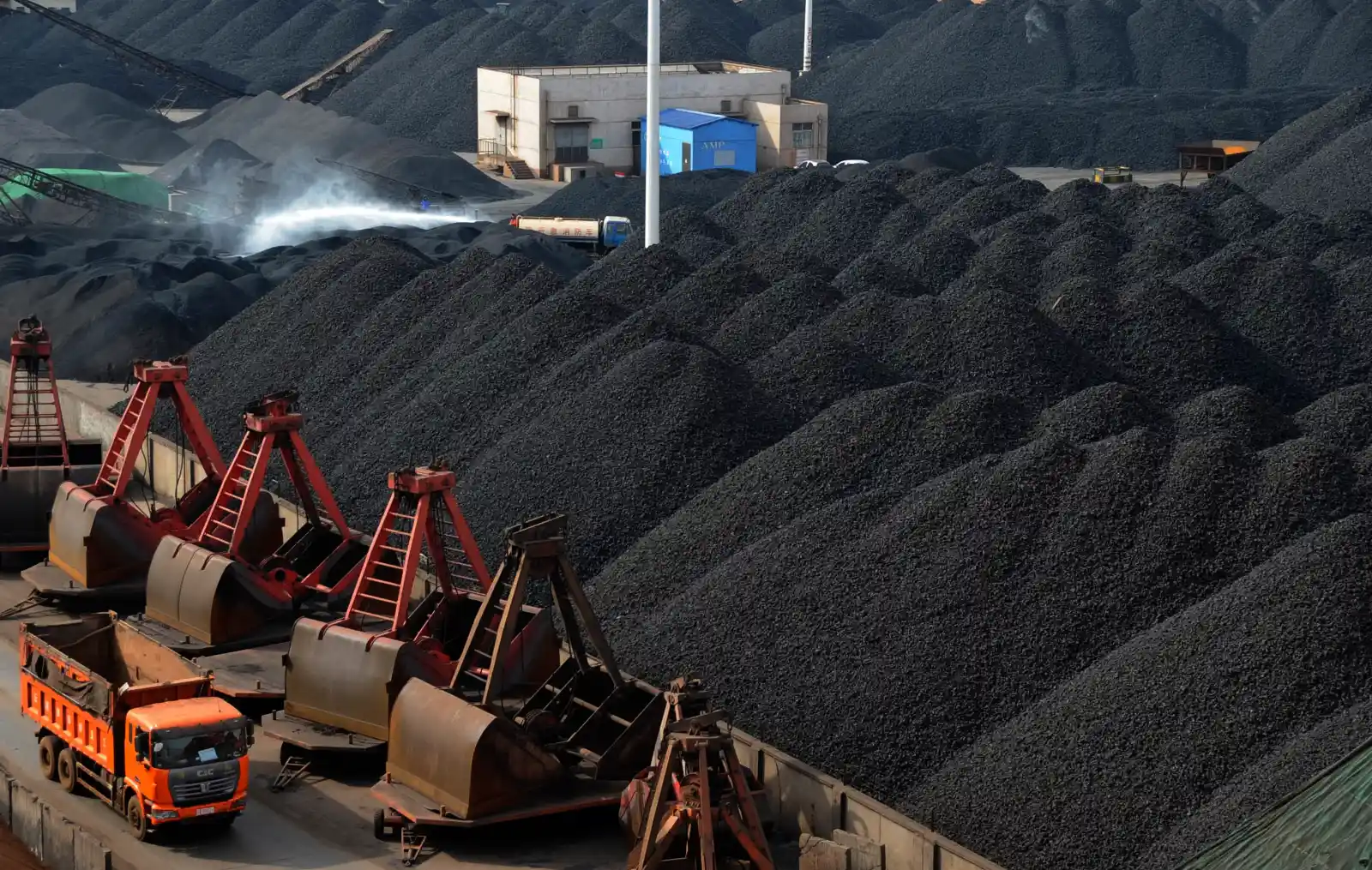
China will proceed with the purchase of more than 10 million metric tons of U.S. coal in the coming years
The agenda of Trump and Xi also significantly exceeded the commercial realm. Both leaders agreed that Iran must not have nuclear weapons. Beijing stated that Tehran must adhere to its commitment not to develop nuclear weapons, while Washington insisted that Iran "can never have a nuclear weapon."
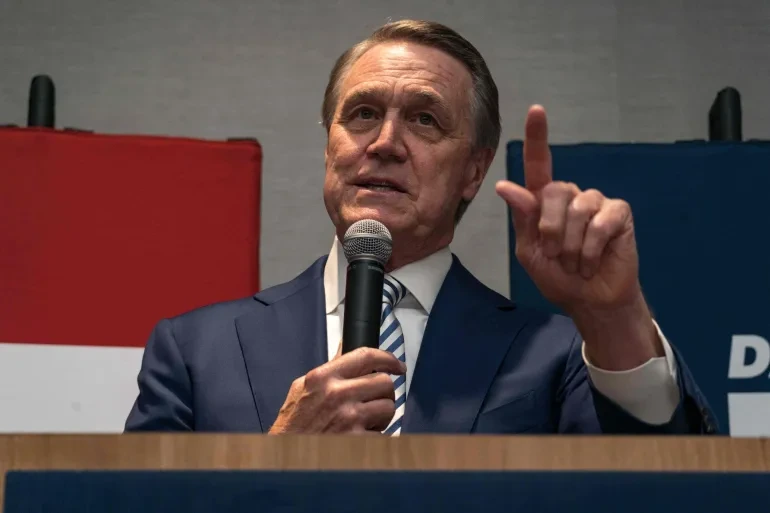
David Perdue, the U.S. ambassador to China, stated that Trump also warned Xi that any Chinese support for Iran, including the provision of intelligence, parts, or military equipment, would be deemed unacceptable by Washington.
Trump also raised the issue of increasing Chinese production of refined petroleum products to help stabilize international energy markets. He also proposed arms control talks among the United States, Russia, and China, expanding the strategic agenda among the three powers.
In the technological field, Washington and Beijing agreed to create a specific dialogue on the risks and benefits of artificial intelligence and establish a communication channel to respond to potential incidents related to this technology.
The U.S. ambassador to China warned that the Trump administration will not tolerate any type of assistance from Xi Jinping's regime to the Iranian dictatorship
The fight against drug trafficking was also part of the discussions. The White House highlighted the new controls imposed by China on two precursor substances for fentanyl, in addition to recent arrests linked to drug trafficking and chemicals used for its production.
Xi left Washington on September 25 after a visit that included a military reception, bilateral meetings, and a state dinner. Before departing, Trump emphasized that "many very positive things" had occurred.
The outcome leaves the Trump administration with a combination of trade advances, energy commitments, cooperation against drug trafficking, and new channels for strategic dialogue, while the two powers keep negotiations open on still pending issues, including rare earths and market access.
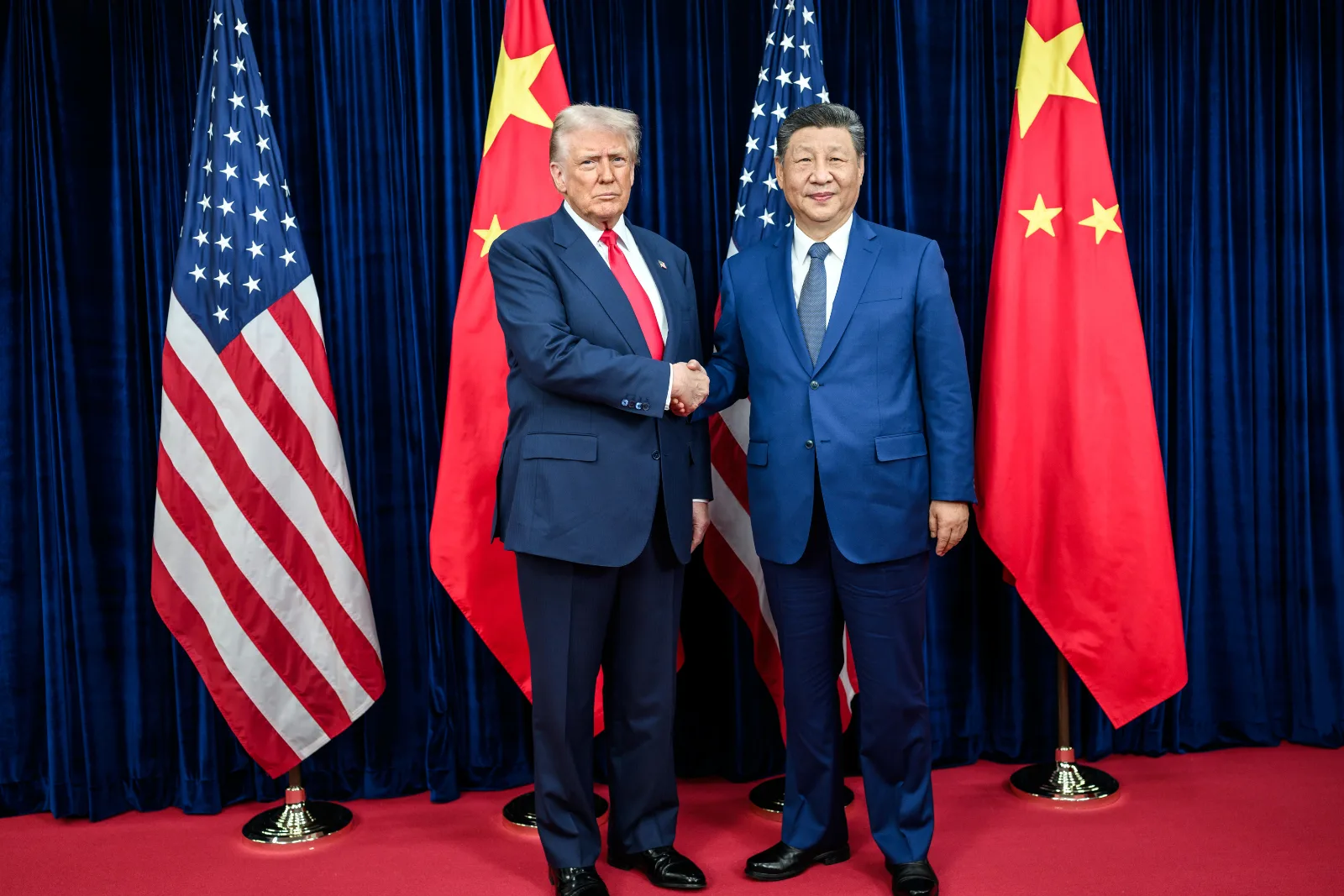
Donald Trump and Xi Jinping agreed that Iran should not acquire or develop a nuclear weapon