Trump tightens the rules on four tax credits and seeks to save around USD 3 billion by preventing payments to immigrants who do not meet legal requirements
The administration of President Donald Trump announced new measures to prevent immigrants who are illegally in the United States from receiving benefits derived from four important refundable tax credits. The Department of the Treasury and the Internal Revenue Service (IRS) presented new regulations on Wednesday aimed at strengthening eligibility requirements and ensuring that taxpayer-funded resources go only to those who comply with the law.
The initiative was announced by Treasury Secretary Scott Bessent, who stated that the new rules could generate an estimated savings of about $3 billion for American taxpayers. The measure is part of the Trump administration's agenda to reduce the misuse of public funds and prioritize American citizens and individuals who legally qualify for these benefits.
The new regulations affect four refundable tax credits: the child tax credit, the adoption credit, the American Opportunity Tax Credit, and the Earned Income Tax Credit (EITC). As refundable credits, these can generate a payment to the taxpayer even when the amount of the credit exceeds the taxes owed.
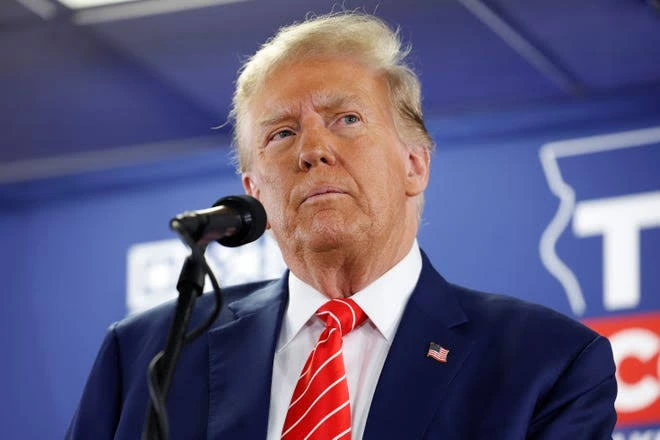
The Trump administration announced new measures to restrict refundable tax credits for illegal immigrants
The Treasury explained that the new rules aim to ensure that only U.S. citizens, U.S. nationals, and foreigners who meet legal requirements can access these benefits. In this way, the government intends to close a loophole that, according to the administration, allowed individuals who do not have legal entitlement to certain benefits to receive taxpayer-funded money.
''Under President Trump, the days of illegal immigrants collecting taxpayer-funded benefits are over,'' Bessent stated. The secretary added that federal legislation is clear and that the Department of the Treasury is determined to enforce it.
Bessent defended the decision as a matter of fiscal fairness and government accountability. He argued that American taxpayers should not be forced to fund benefits intended for individuals who, by law, cannot receive them. According to the secretary, the regulations seek to end abuses, protect the integrity of the tax system, and put Americans first.
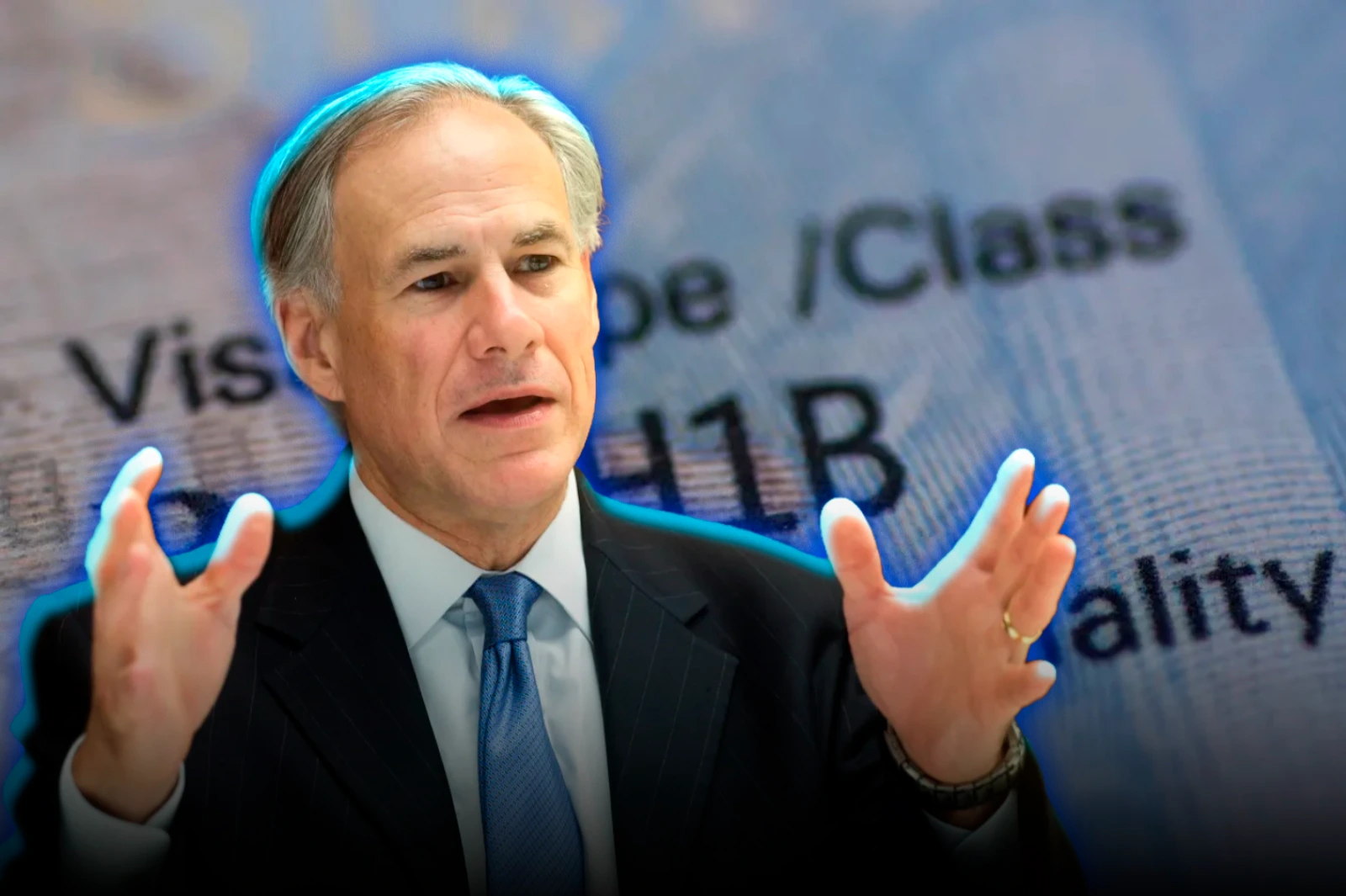
The U.S. Treasury Secretary assured that the new rules will aim to ensure that only U.S. citizens and foreigners who meet legal requirements can claim refundable tax credits
The IRS Commissioner, Frank J. Bisignano, also supported the reform. He explained that refundable tax credits, such as the EITC, were created to provide financial support to low- and middle-income American families and workers. The new regulations aim to ensure that this federal support is reserved for taxpayers who meet the established requirements.
The Trump administration estimates that nearly one million people would no longer be eligible for the refundable portion of the individual credits affected by the regulatory change. The government believes that this modification will reduce improper payments and preserve public resources that should be allocated to taxpayers who meet legal conditions.
The measure adds to other initiatives of the Trump administration aimed at strengthening the enforcement of immigration laws and limiting access for undocumented immigrants to certain public benefits. For the government, enforcing eligibility requirements represents a way to protect both federal finances and citizens' trust in the tax system.
The White House's approach also responds to one of Trump's main political promises: prioritizing Americans in the use of public resources and tightening controls over those who remain illegally in the country.
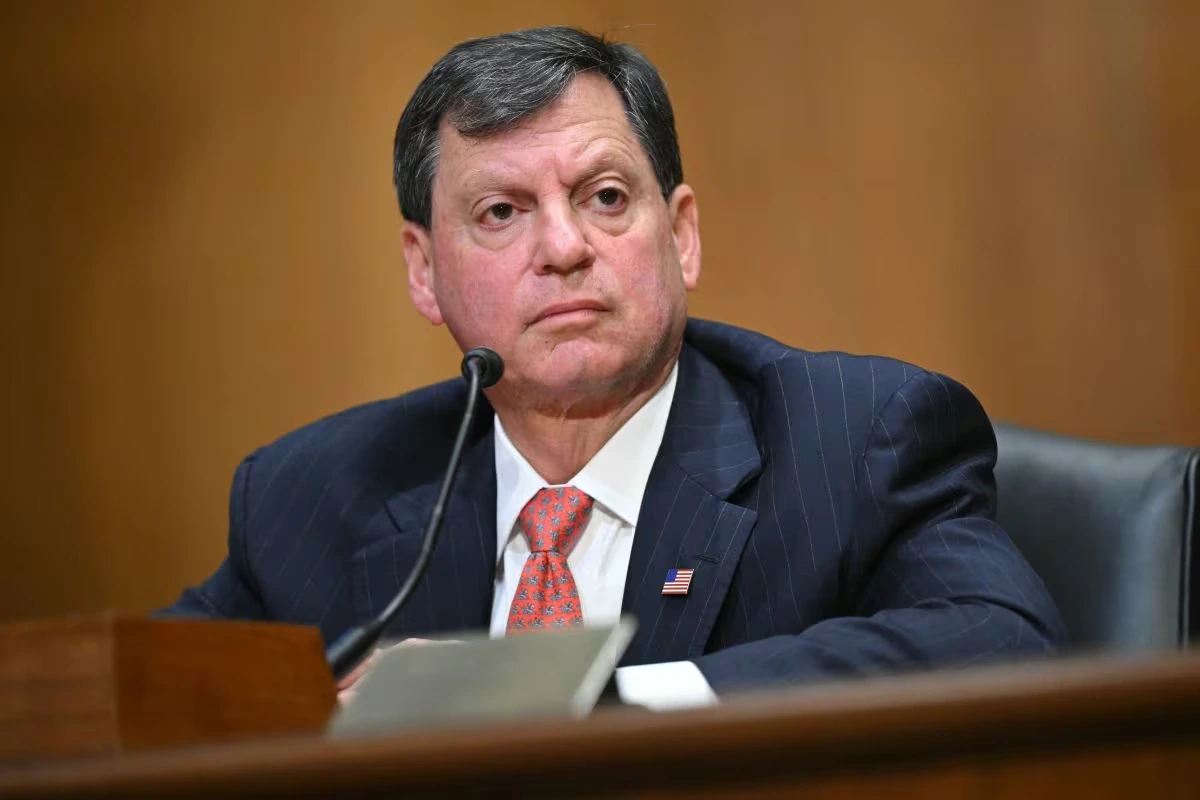
Frank Bisignano, Chief Executive Officer of the Internal Revenue Service (IRS)