In particular, the president warned against using AI to limit freedom of expression, infuse ideological biases, or conduct illegal surveillance against the American people
The President of the United States, Donald Trump, signed a decree on Friday that calls on the military and national security agencies to accelerate the use of artificial intelligence, while recognizing the need to protect civil liberties and maintain oversight over autonomous weapon systems.
The document extends to much of the cabinet, including the Secretaries of War and Homeland Security, as well as the Attorney General and the Director of National Intelligence. It specifically orders the Department of War to "ensure the deliberate adoption of AI systems that respect the chain of command and operational authorities."
More importantly, following the directive given by Trump and unlike what Biden had decreed in 2023 on this issue, the memorandum restricts the use of AI to "censor freedom of speech, infuse ideological biases, or conduct illegal surveillance against the American people."
"The use of AI by the national security sector must always be consistent with the civil liberties of the United States and the protections granted by the Constitution, as well as with the laws and regulations that safeguard the privacy of American citizens", states the Executive document.
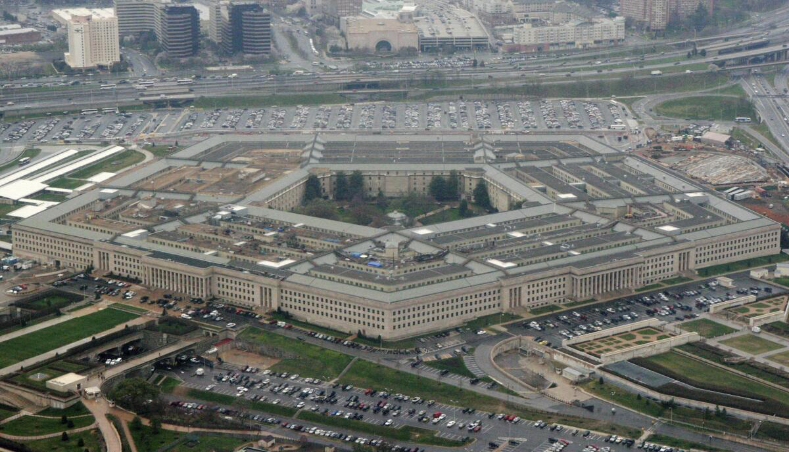
The Pentagon seeks to harness the potential of AI
Trump's plan to deal with AI
With this new directive, Trump acknowledges that there is a climate of growing anxiety in American society regarding AI, as there is fear that the implementation of this technology will affect all jobs. In the military realm, the concern for the protection of civil liberties and human oversight of autonomous weapons has garnered increasing attention.
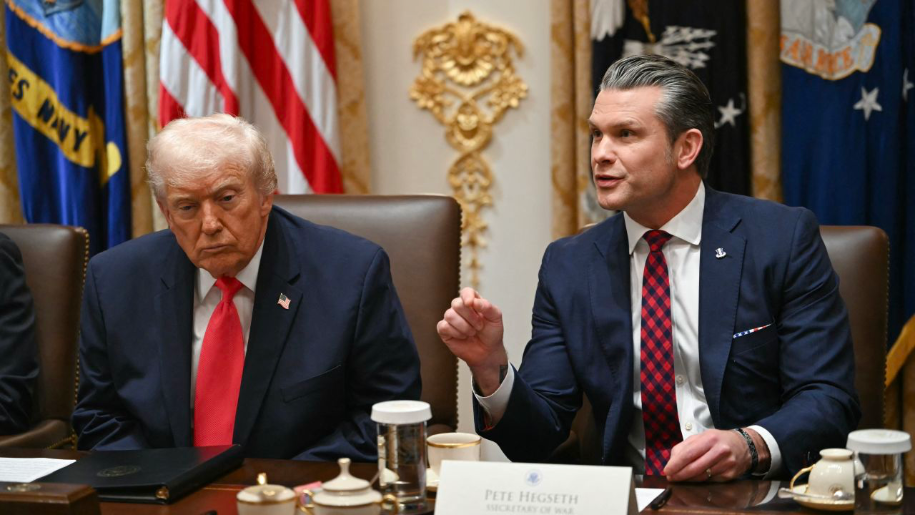
The Pentagon, under the command of Secretary Pete Hegseth, seeks to leverage the potential of American tech companies to enhance the military's AI capabilities. The top military leaders in the U.S. share this ambition and highlight the benefits of AI, but they also speak about the need to safeguard human lives.
Admiral Frank Bradley, head of U.S. Special Operations Command, stated, for example, that troops "must be very careful about how we approach the employment of [AI] and its incorporation into the execution of lethality."
The high command noted that it envisions a future where AI determines which targets to attack, but emphasized that "we, as humans, must have the confidence that... it will unleash violence only where we intend for it to be unleashed."