The lack of an official cause, his sudden collapse, and recent threats against the senator raise questions about his death
Agregar La Derecha Diario en
Compartir:
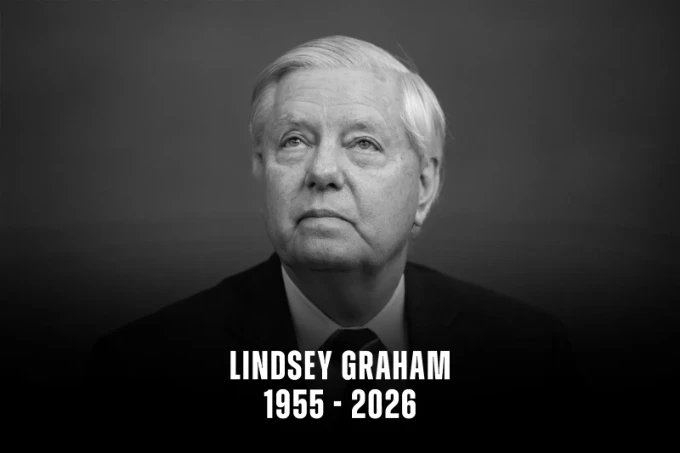
The Republican senator Lindsey Graham, one of President Donald Trump's closest allies in the United States Congress, died on Saturday at the age of 71 after suffering from an illness described only as "brief and sudden," according to information provided by his office.
The lack of an official explanation regarding the causes of his death has generated a strong political shock and numerous questions, as no medical details have been revealed to clarify what happened during his last hours of life.
The office of the legislator from South Carolina confirmed the death through a statement released on Sunday morning. In the message, Graham's team informed that the senator died during the night on Saturday and requested privacy for his family as they go through this difficult time. However, the statement avoided specifying the cause of death, which fueled uncertainty regarding the circumstances of his demise, raising significant suspicions about the involvement of actors such as Russia and Iran in his passing.
The Republican senator from South Carolina died Saturday night after experiencing severe chest pains
According to information released by U.S. media, emergency services arrived at the senator's residence around 8:30 PM on Saturday after receiving a call alerting that a person was suffering from intense chest pains. According to emergency communication records, paramedics began CPR after Graham suffered a cardiac arrest approximately thirty minutes later.
Subsequently, the legislator was rushed to George Washington University Hospital, where his death was ultimately confirmed. So far, health authorities have not reported what caused the collapse or whether the senator had any pre-existing conditions that could explain the outcome.
The mystery surrounding his death increased because people close to him claimed that LindseyGraham had shown no signs of being ill in the days leading up to it. In fact, he was scheduled to participate on Sunday morning in NBC's "Meet the Press," an interview that was on his official agenda and indicated that he was maintaining an intense political activity just hours before his death.
The Republican senator was in good health and even had a busy political agenda planned for the coming days
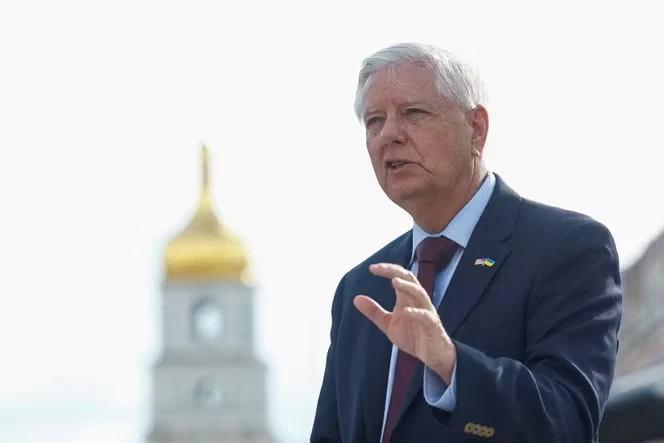
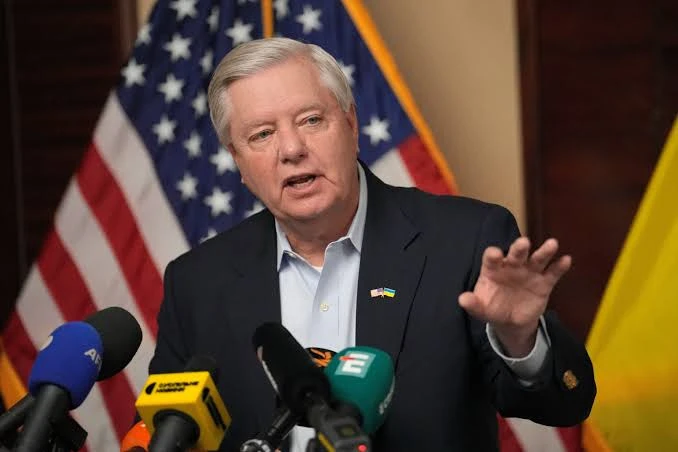
The news was even more unexpected because the senator had just returned from an official visit to Ukraine. There, he met with President Volodymyr Zelensky to discuss the development of the war with Russia and to discuss new measures aimed at strengthening international support for Kiev.
According to available information, the meeting between the two leaders took place just one day before Graham's death. After the news broke, Zelensky expressed his condolences and remembered the senator as a staunch defender of Ukraine and one of the main proponents of bipartisan support from the United States. The president stated that Graham was actively working on initiatives aimed at tightening sanctions against Russia and bringing a solution to the conflict closer.
President Donald Trump also reacted quickly upon learning of the legislator's death. Through Truth Social, he described Graham as "one of the best senators" he had ever known and as "a true American patriot." He also announced that details about the funeral and official ceremonies would be shared in the coming days.
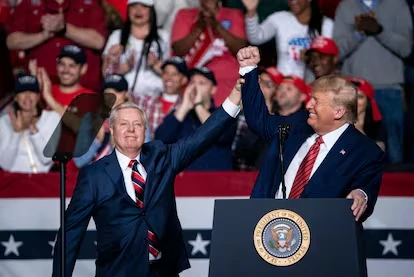
After the 2016 elections, the two built a strong political alliance. Lindsey Graham supported the president during the impeachment processes initiated by the Democrats and became one of his main allies in the Senate, especially on issues related to foreign policy, defense, and national security.
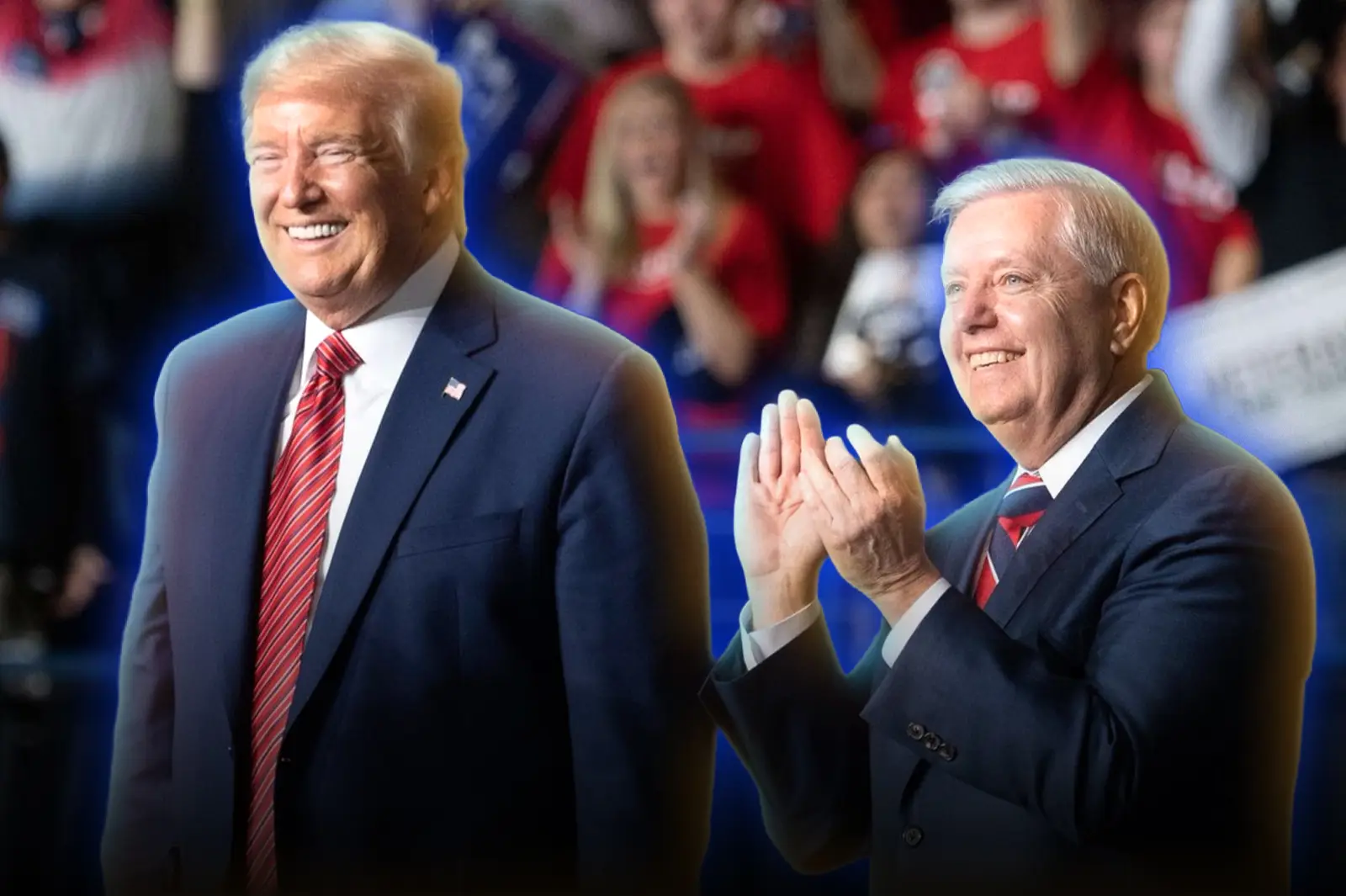
Lindsey Graham and Donald Trump had developed a close relationship after the 2016 presidential elections
In recent years, the senator maintained a firm stance against Iran, promoting legislative projects aimed at limiting the Iranian nuclear program and supporting military actions initiated by the Trump administration against the Tehran regime. He also advocated for a policy of permanent support for Israel and took a hardline stance against Russia and China.
The senator's sudden death also reignited questions due to the recent death threats he had received from supporters of the Jamenei regime for his hardline stance against Iran. In recent weeks, Graham had intensified his calls to tighten sanctions against Tehran and supported new military measures to prevent the development of the Iranian nuclear program, in addition to publicly warning the ayatollahs' regime.
Israeli Prime Minister Benjamin Netanyahu deeply lamented the news and stated that Israel had lost one of its greatest international allies. He recalled that Graham dedicated much of his political career to strengthening the alliance between Washington and Jerusalem and assured that he always defended the security of the Israeli state.
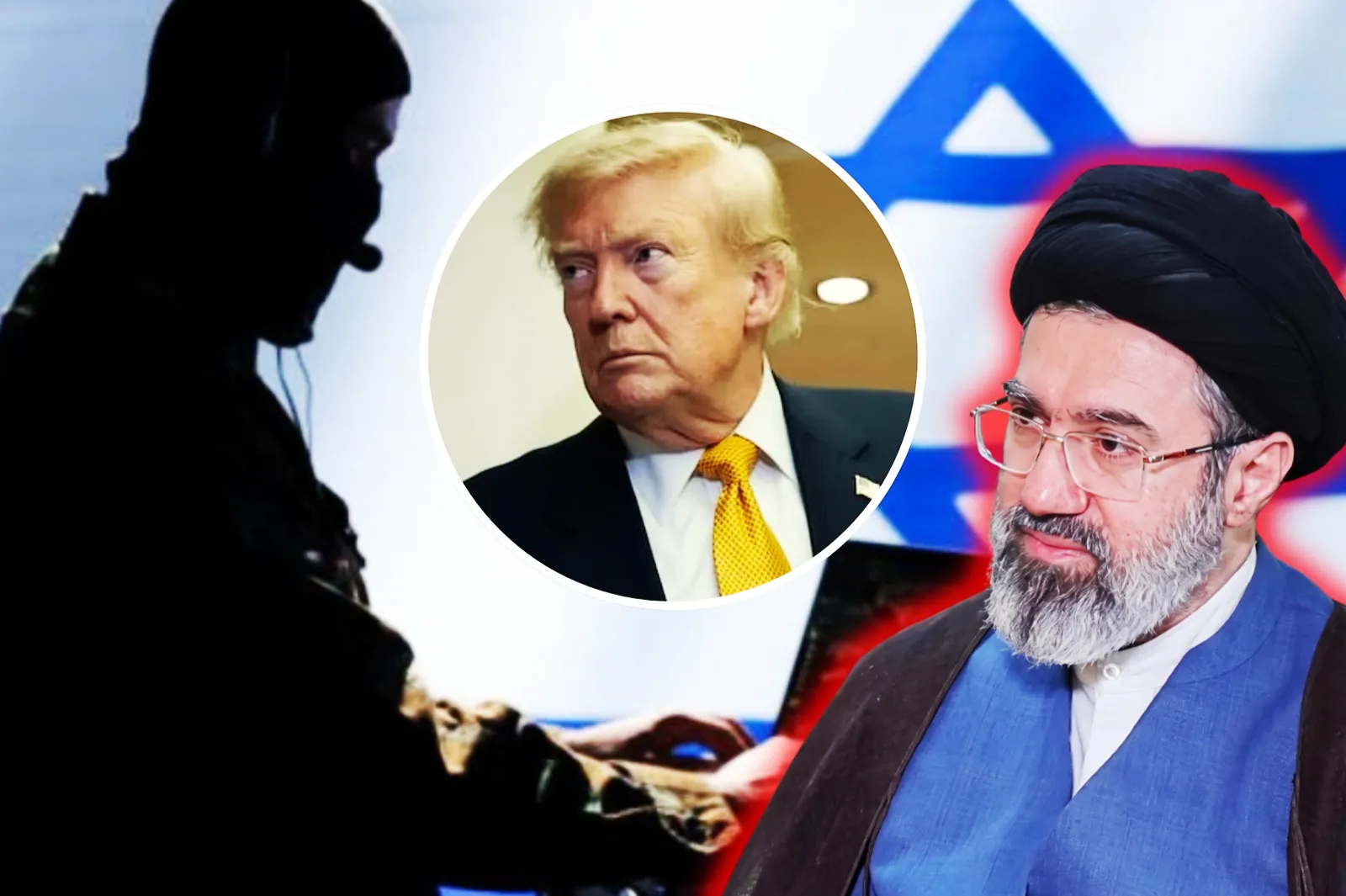
The Republican senator had received death threats from supporters of the Iranian regime during Jamenei's funeral
Expressions of sorrow also came from South Carolina. Governor Henry McMaster described the senator as an "irreplaceable" leader and one of the strongest defenders of the state's interests. For his part, Senator Tim Scott stated that he had lost not only a colleague but also a close friend, highlighting his sense of humor, leadership, and ongoing commitment to public service.
In addition to the immediate political impact, Graham's death also opens a new electoral scenario in South Carolina. The legislator had just comfortably won the Republican primary elections and was seeking a fifth consecutive term in the Senate.
According to state law, since he died as the official candidate of the Republican Party, the organization must call for a special primary election to select a new candidate, although no date has been set yet. Meanwhile, Governor McMaster would have the authority to appoint an interim senator to occupy the seat until the next Congress begins.
For now, the biggest question remains what exactly caused Lindsey Graham's death. The absence of an official cause, the secrecy of the authorities, and the fact that the senator maintained an intense public agenda just hours before his passing keep doubts alive, while future medical investigations are awaited to clarify the circumstances of one of the most surprising episodes in recent American politics.
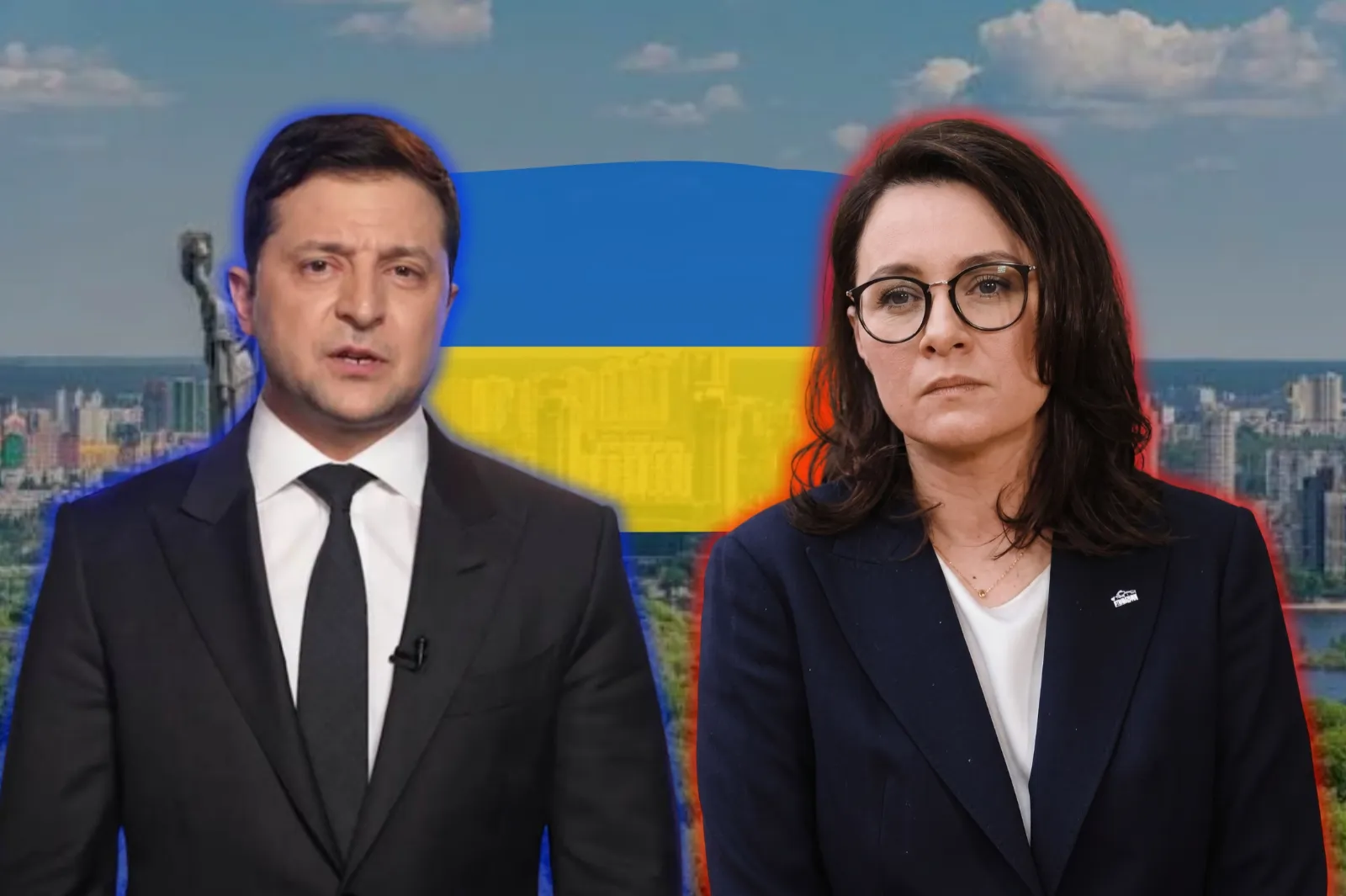
Graham had made a visit to Ukraine where he met with Ukrainian President Volodymyr Zelensky