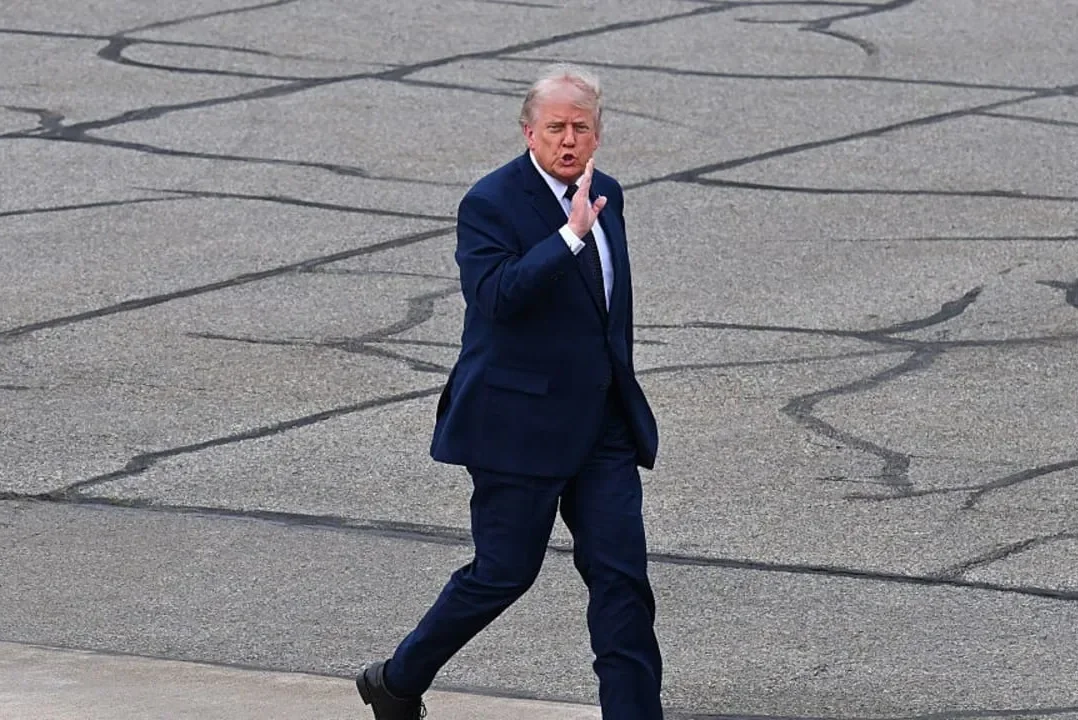
The President of the United States, Donald Trump, announced that a broad peace agreement between Washington, Iran, and several Middle Eastern countries is “largely negotiated,” in what could become one of the most ambitious diplomatic efforts in recent years to end regional escalation and stabilize the Persian Gulf.
According to Trump, the understanding involves key countries in the region, including Saudi Arabia, United Arab Emirates, Qatar, Pakistan, Turkey, Egypt, Jordan, and Bahrain.
The American leader also stated that he had a separate conversation with Israeli Prime Minister Benjamin Netanyahu, which he described as “very positive”.
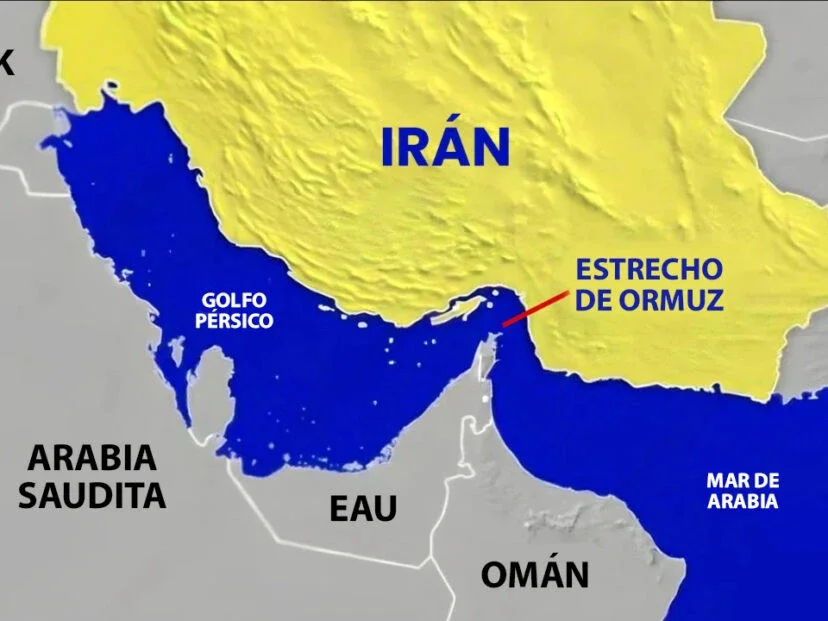
Although the full details of the agreement have not yet been publicly revealed, Trump indicated that one of the central points will be the gradual reopening of the strategic Strait of Hormuz, the maritime route through which a substantial portion of the world's oil flows and whose tensions have been a source of international concern for months.
Strait of Hormuz
However, signals of caution quickly emerged from Tehran. The Iranian news agency Fars reported on Sunday that the Strait of Hormuz will remain under Iranian control and described Trump's announcement as “incomplete and inconsistent with reality.”
The report cited recent exchanges between Iranian and American negotiators, suggesting that significant differences regarding the final terms of the understanding still persist.
Despite this, various regional actors expressed optimism regarding the progress of the talks. The Pakistani Prime Minister, Shehbaz Sharif, publicly congratulated Trump for his “extraordinary efforts to promote peace.”
Additionally, two Pakistani sources involved in the negotiations told Reuters that the agreement under discussion is “quite broad” and aims primarily to end the current conflict and reduce military tensions.
According to these sources, if Washington formally accepts the memorandum of understanding presented in the talks, new diplomatic rounds could begin after the end of the Muslim holiday of Eid, scheduled for next week.
Meanwhile, the Financial Times reported on Saturday that the United States and Iran are close to agreeing on a 60-day extension of the current ceasefire. During that period, both parties would seek to resolve most of the outstanding issues that arose during the negotiations.
The potential reopening of the Strait of Hormuz appears to be one of the most delicate and symbolic elements of the process. Both Washington and Tehran had imposed restrictions and partial blockades on the maritime route in recent months, raising concerns in international energy markets and among Western and Arab powers.
Although questions remain about the actual scope of the agreement and Iran's willingness to accept all the proposed conditions, the announcement marks a significant shift in regional diplomacy and could open a new phase of negotiations in the Middle East.