The American President assured that he will not tolerate any attack by Iran
Nuevo
Agregar La Derecha Diario en
Compartir:
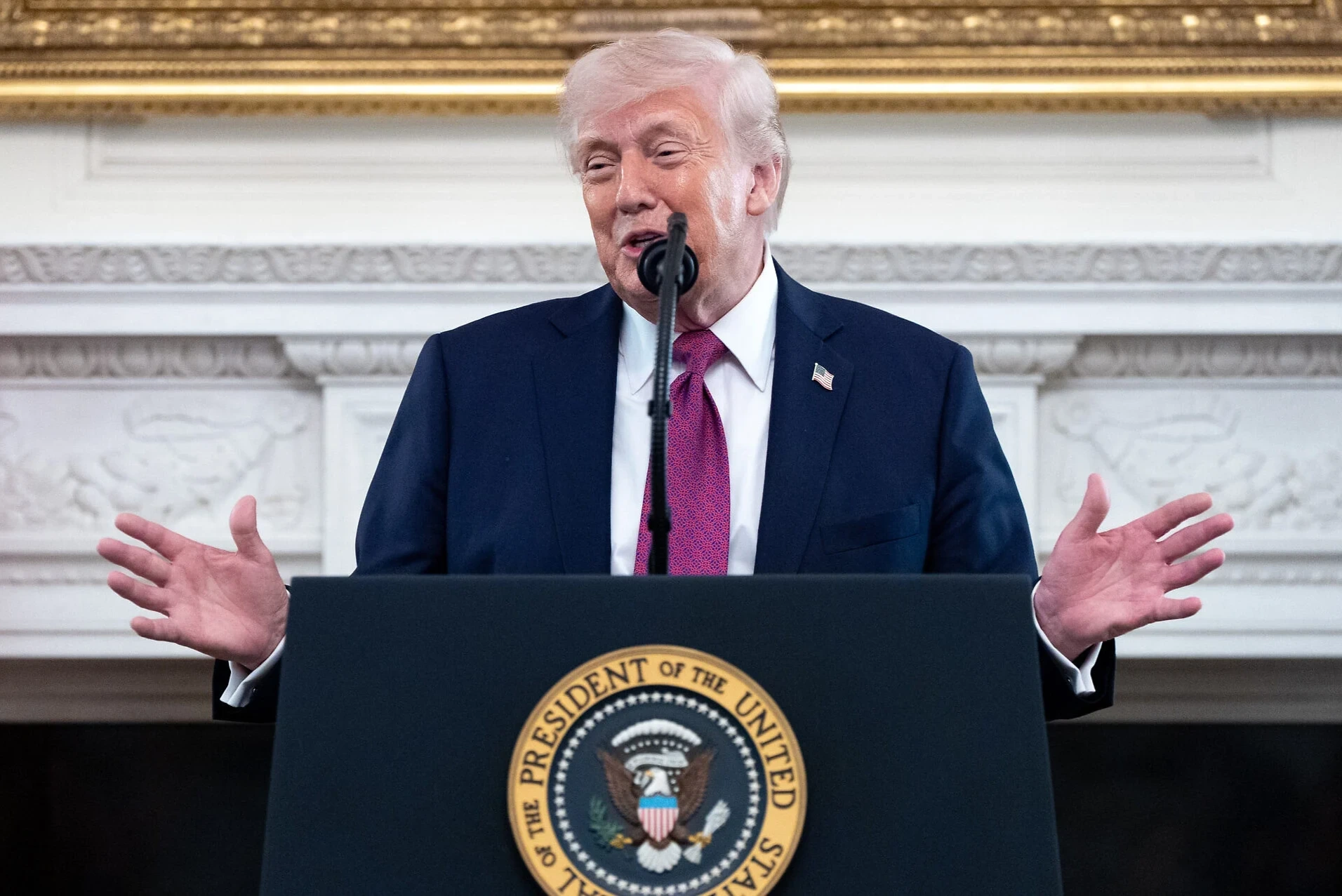
At a time of heightened tension in the Middle East, the President of the United States, Donald Trump, took a firm stance in the face of threats to international navigation in the strategic Strait of Hormuz.
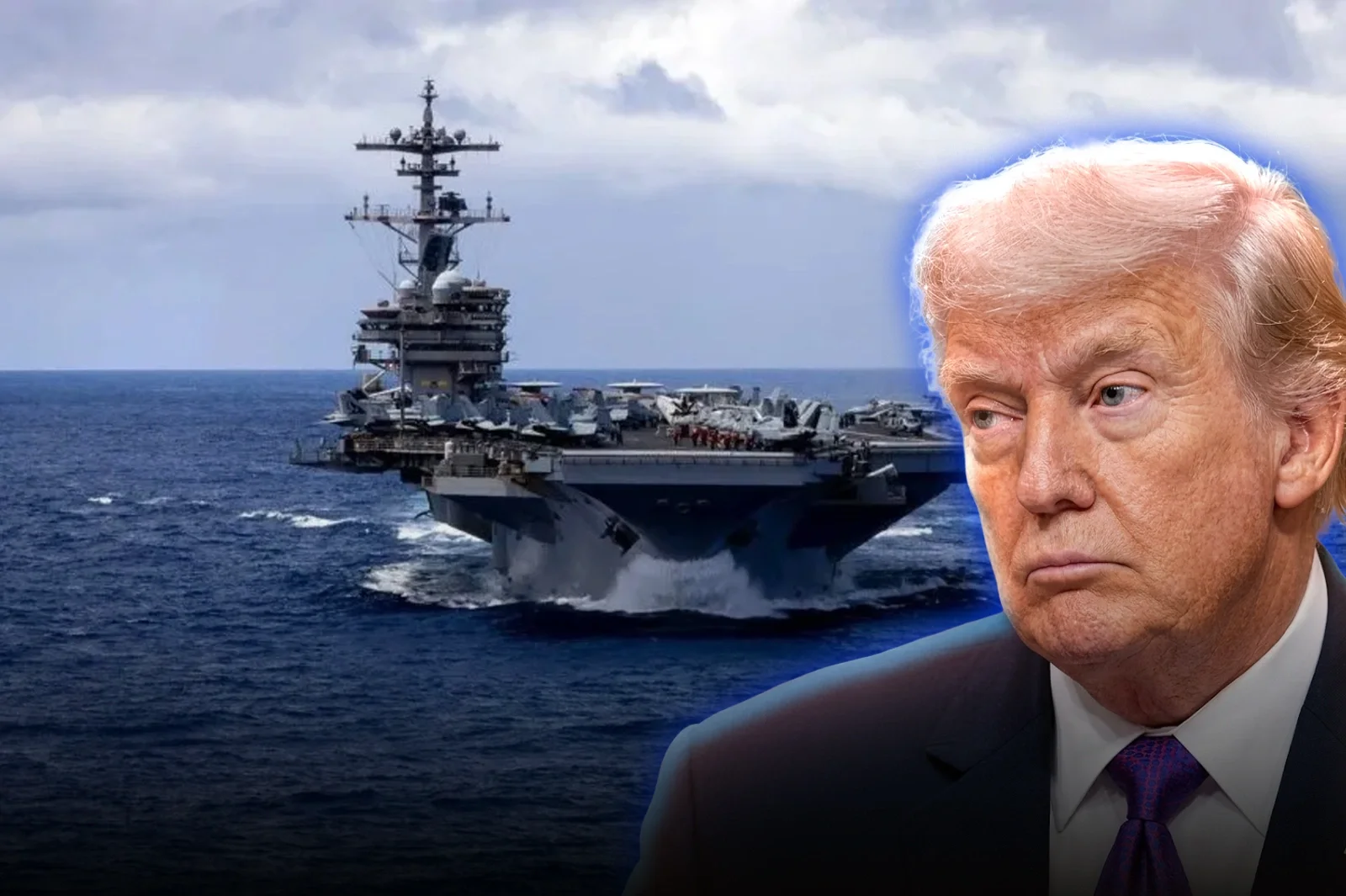
Through a public message, he announced that he has ordered the US Navy to “shoot and eliminate” any vessel that attempts to lay mines in the area, a direct warning against the destabilizing actions attributed to Iran.
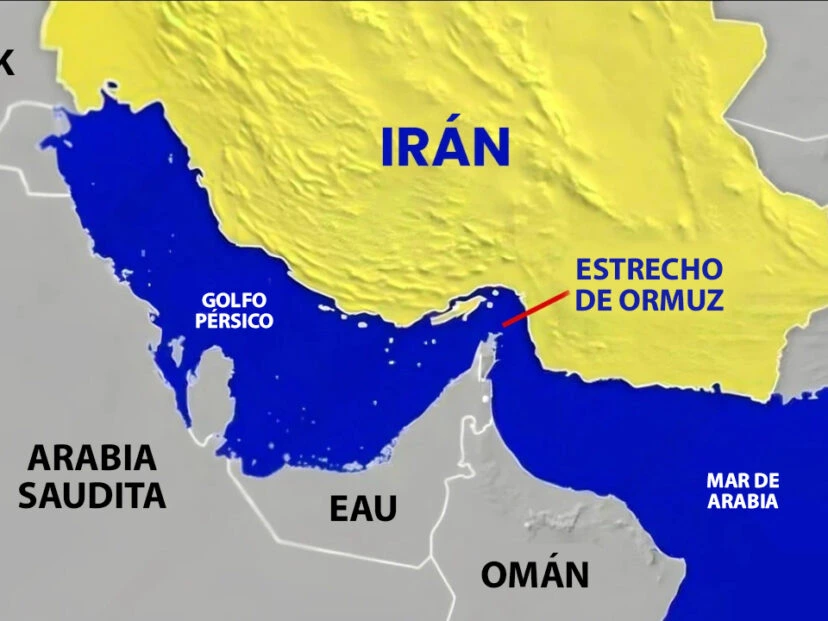
The Strait of Hormuz, through which a significant portion of the global energy supply transits, has been virtually blocked by Tehran since the start of joint U.S. and Israeli military operations in February.
The Strait of Hormuz
Although Washington has not conclusively confirmed the placement of mines by Iranian ships, it has made it clear that it will not wait for the threat to materialize: American minesweepers are already operating in the area, and Trump has ordered that those tasks be tripled
.
Washington's determination reflects a clear doctrine: the active defense of freedom of navigation and the protection of global trade against actors that seek to impose chaos. In this regard, coordination with European allies is also important.
The United Kingdom and France, through their defense ministers —John Healey and Catherine Vautrin—, have expressed their confidence that progress can be made towards a concrete solution through joint military planning and firm commitments between allied nations.
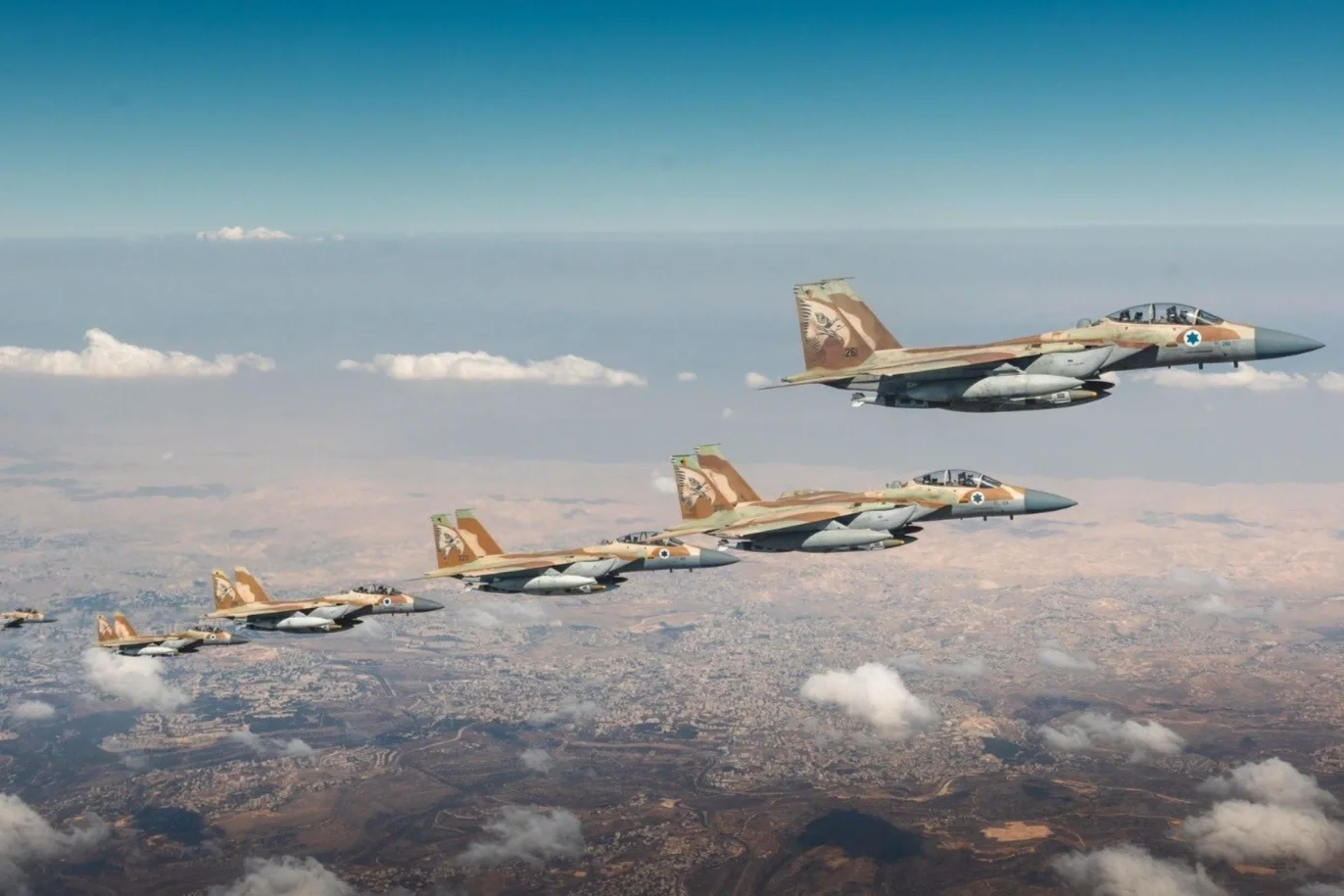
This common front underlines a key fact: the stability of the international order depends on the capacity of democracies to act decisively. Israel, directly threatened by Iranian regional expansion, and the United States, the historic guarantor of global security, have clearly assumed that role
.
In a context where passivity could translate into a collapse of maritime trade and an even greater escalation, the US-Israeli strategy aims to restore deterrence.
It's not just about responding to an immediate threat, but about reaffirming a fundamental principle: international routes cannot be held hostage by regimes that operate outside international norms.