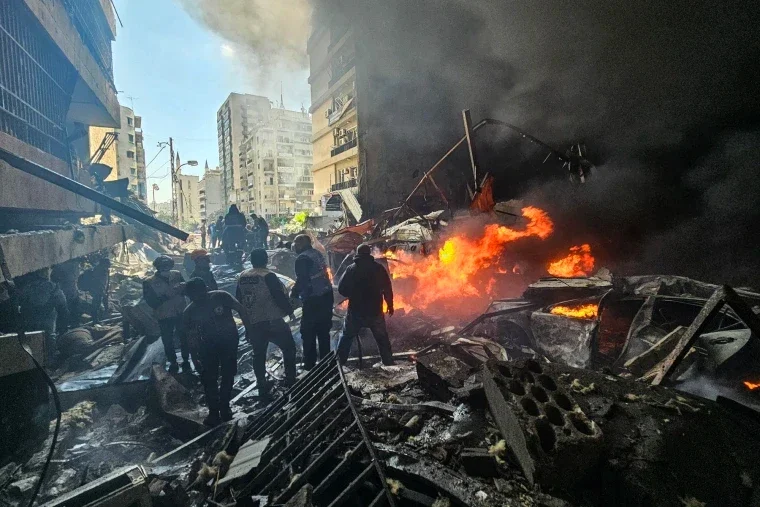
The Israeli operation generated immediate reactions in Tehran. The Khatam al-Anbiya Headquarters, the central body of the Iranian Armed Forces, warned that the “crimes of the Zionist entity in Dahieh will not go unanswered”. In the same vein, the Iranian Parliament Speaker, Mohammad-Bagher Ghalibaf, accused the United States of allowing Israeli actions and questioned the viability of any diplomatic process while hostilities continue.
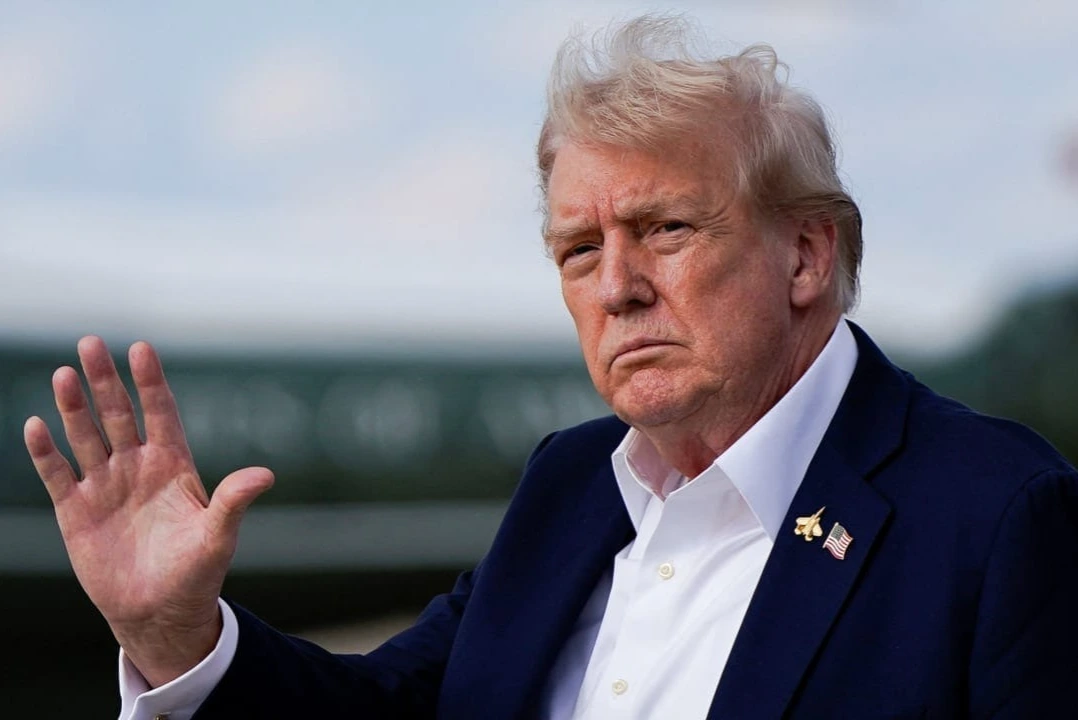
The tension is particularly significant because the incident occurred just hours before, according to statements from U.S. President Donald Trump, Washington and Tehran were close to reaching an agreement aimed at reducing hostilities, reopening the Strait of Hormuz, and initiating new talks on the Iranian nuclear program.
Within Israel, political voices called for an even stronger response. Finance Minister Bezalel Smotrich urged the firm application of the so-called “Dahieh equation”, while National Security Minister Itamar Ben Gvir demanded a strong response to every Hezbollah violation.
With the recent exchanges of attacks between Israel and Iran still fresh in memory, the new escalation fuels fears that any border incident could trigger a larger regional confrontation.
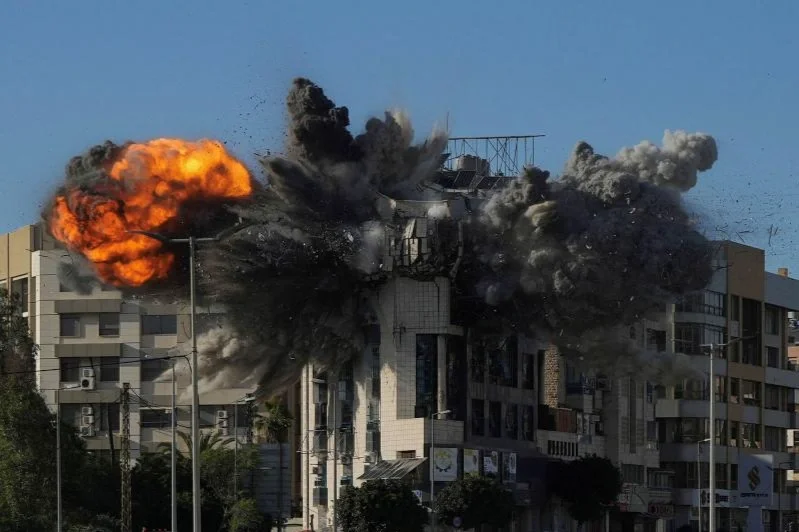
The fragile calm on Israel's northern border was once again shattered this Sunday, when the Israel Defense Forces (IDF) carried out a targeted attack against a Hezbollah command center in the Dahieh neighborhood, in the southern suburbs of Beirut. The operation took place just hours after three drones launched from Lebanon penetrated Israeli airspace, in a new escalation that threatens to further widen the regional conflict.
According to the Israeli army, the targeted site was used by Hezbollah's communications unit to coordinate terrorist actions against Israeli citizens and troops deployed in southern Lebanon. The bombing reportedly killed the commander of that unit, considered a key figure within the operational structure of the organization.
Prime Minister Benjamin Netanyahu and Defense Minister Israel Katz stated in a joint declaration that the offensive was authorized as a direct response to Hezbollah's ongoing attacks. “Israel will not tolerate fire against its territory”, they asserted, reiterating the policy recently announced by Katz, according to which every attack against communities in northern Israel will be met with military action in Dahieh, considered Hezbollah's main stronghold in Beirut.
The attack against terrorist targets in Beirut
The drones that triggered the Israeli response exploded in military areas near the border. Two struck in the Shlomi area, in western Galilee, while a third later fell inside a military facility. The IDF assured that there were no casualties and that none of the aircraft reached civilian areas.