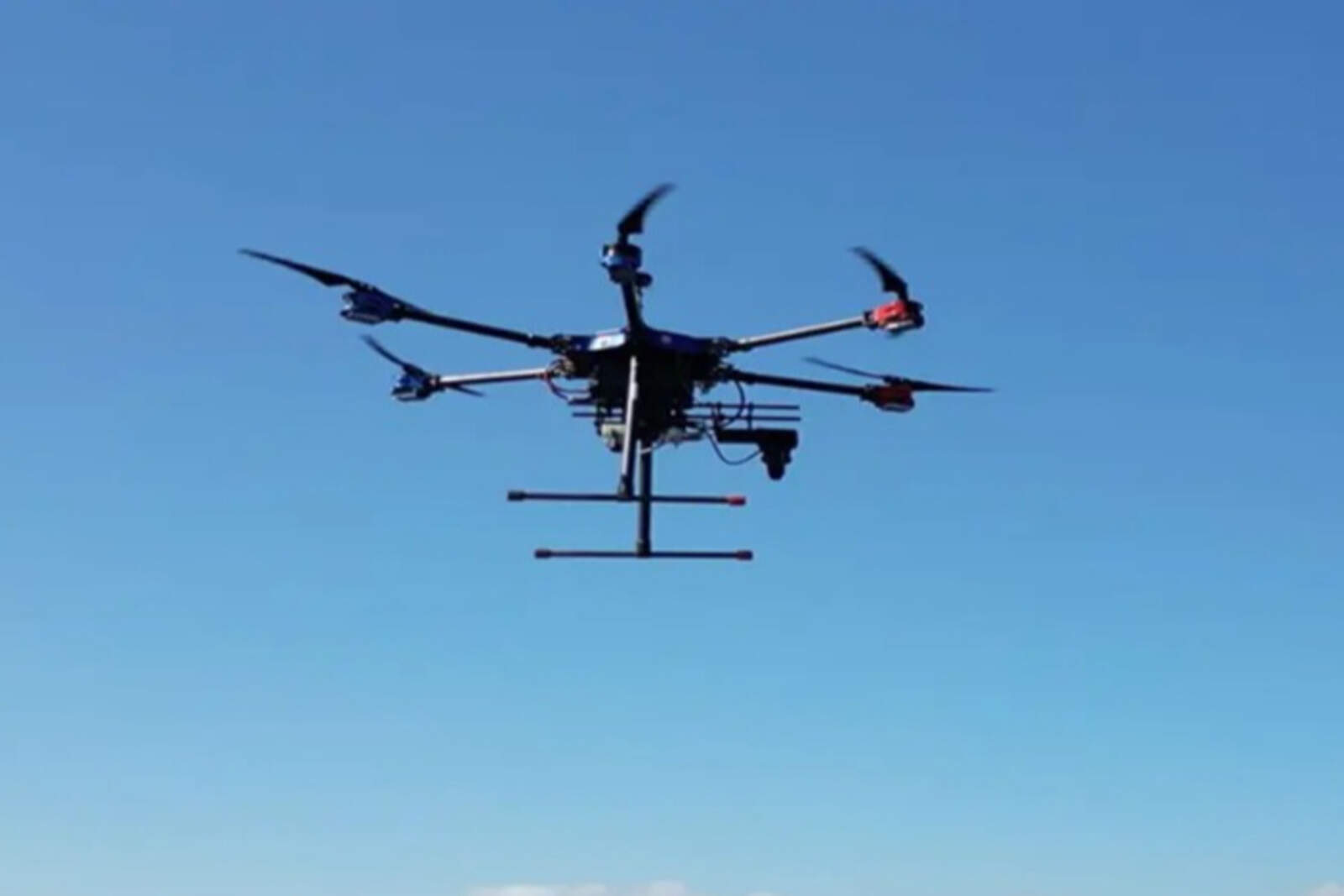
Israel made a historic leap in the field of defense during the Israel-Gaza war 2023-2025, becoming the first country in the world to wage what experts are already calling "the first robotic war".
This was stated by Colonel (ret.) Yaron Sarig, head of the AI and Autonomy Program at MAFAT —the R&D Directorate of the Ministry of Defense— during the International Defense Tech Summit at Tel Aviv University.
Sarig explained that, in the face of the multidimensional threat from Hamas, Israel deployed tens of thousands of autonomous systems on the battlefield, from drone swarms to ground robots distributed across kilometers (miles) of complex terrain.
This massive integration not only marked a technological milestone, but allowed risks to be reduced for Israeli soldiers in one of the most dangerous campaigns since 1948.
One of the most significant advances was the use of robots to explore and map Hamas's tunnel network, considered one of the greatest tactical challenges for ground troops. Until a few years ago, these missions involved sending soldiers into highly explosive environments, with limited visibility and multiple traps.
Now, autonomous vehicles and remotely operated platforms carry out these tasks, identify explosive devices, and detect enemy presence without exposing Israeli lives.
In addition, unmanned vehicles were used to enter urban and rural areas before the troops, disrupt Hamas combat positions, trigger ambushes, or intercept armed cells. When the soldiers entered, they did so with clear information and operational advantage.
Israel also combined these robotic platforms with advanced artificial intelligence systems, capable of detecting and tracking Hamas operatives with greater precision and speed than ever before.
These tools expanded the Army's ability to distinguish between combatants and the civilian population, a central challenge in the war against an organization that deliberately operates among civilians.
Sarig emphasized that this technological ecosystem is the result of unprecedented cooperation between the IDF, Israeli startups, the military industry, and research centers. The goal: to accelerate innovations that maintain Israel's strategic advantage on land, sea, and air.
According to Sarig, what has been seen so far is only the beginning. "In the coming years, we will significantly expand our robotic capabilities", he stated. Israel plans to integrate AI into every weapons system and every operational unit, further strengthening its defensive capability against evolving threats.
In a regional environment where terrorist organizations seek to sophisticate their methods, Israel is betting on a technological revolution that not only increases its military effectiveness, but prioritizes the protection of its soldiers and the Israeli civilian population.