This is stated in a report by the US Department of Homeland Security
Nuevo
Agregar La Derecha Diario en
Compartir:
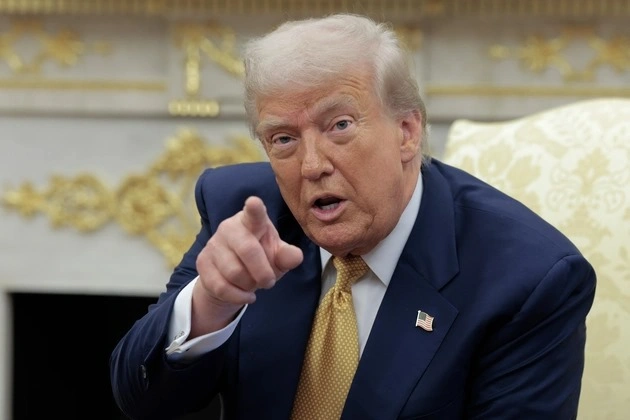
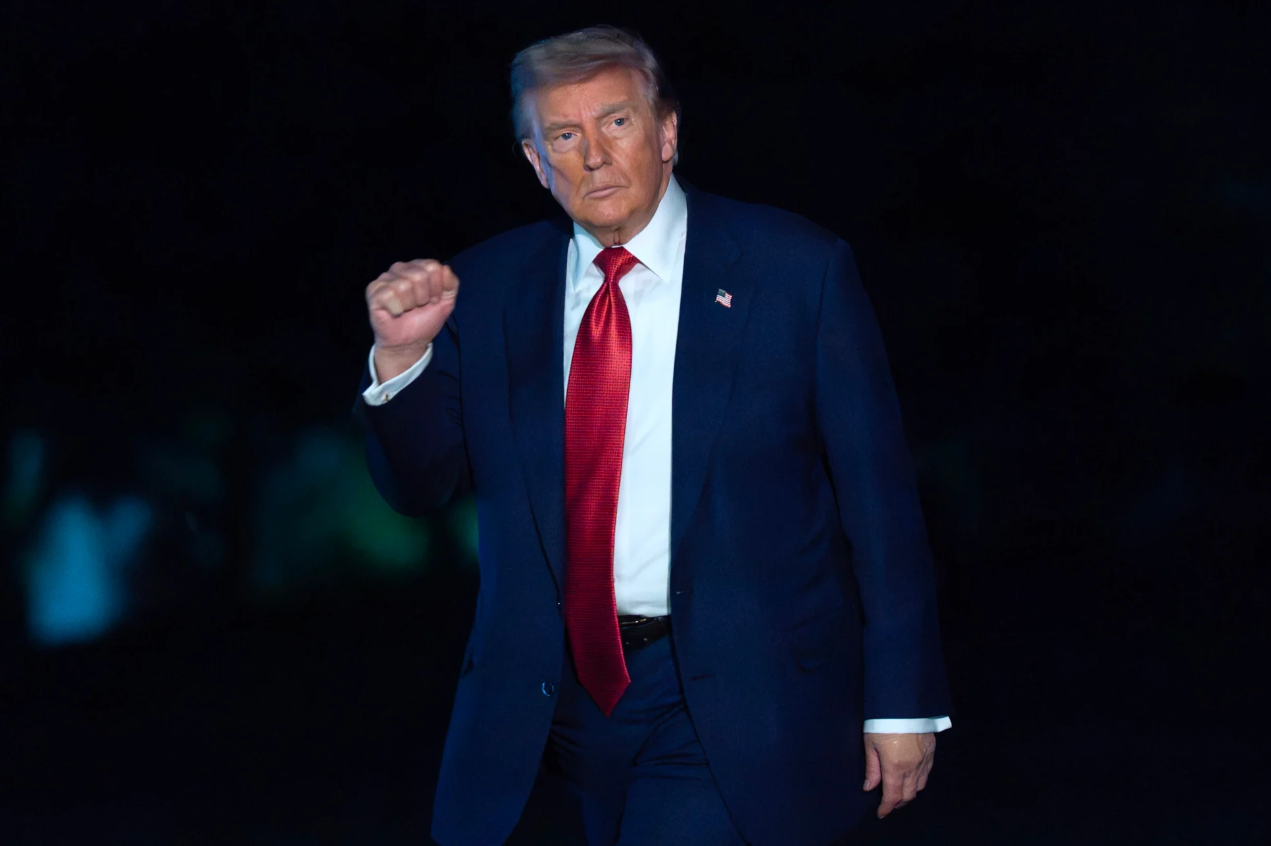
A preliminary report by the United States Department of Homeland Security has identified the war between the United States and Israel against Iran as a possible factor that influenced the assassination attempt against President Donald Trump and senior officials of his administration, which occurred last month in Washington.
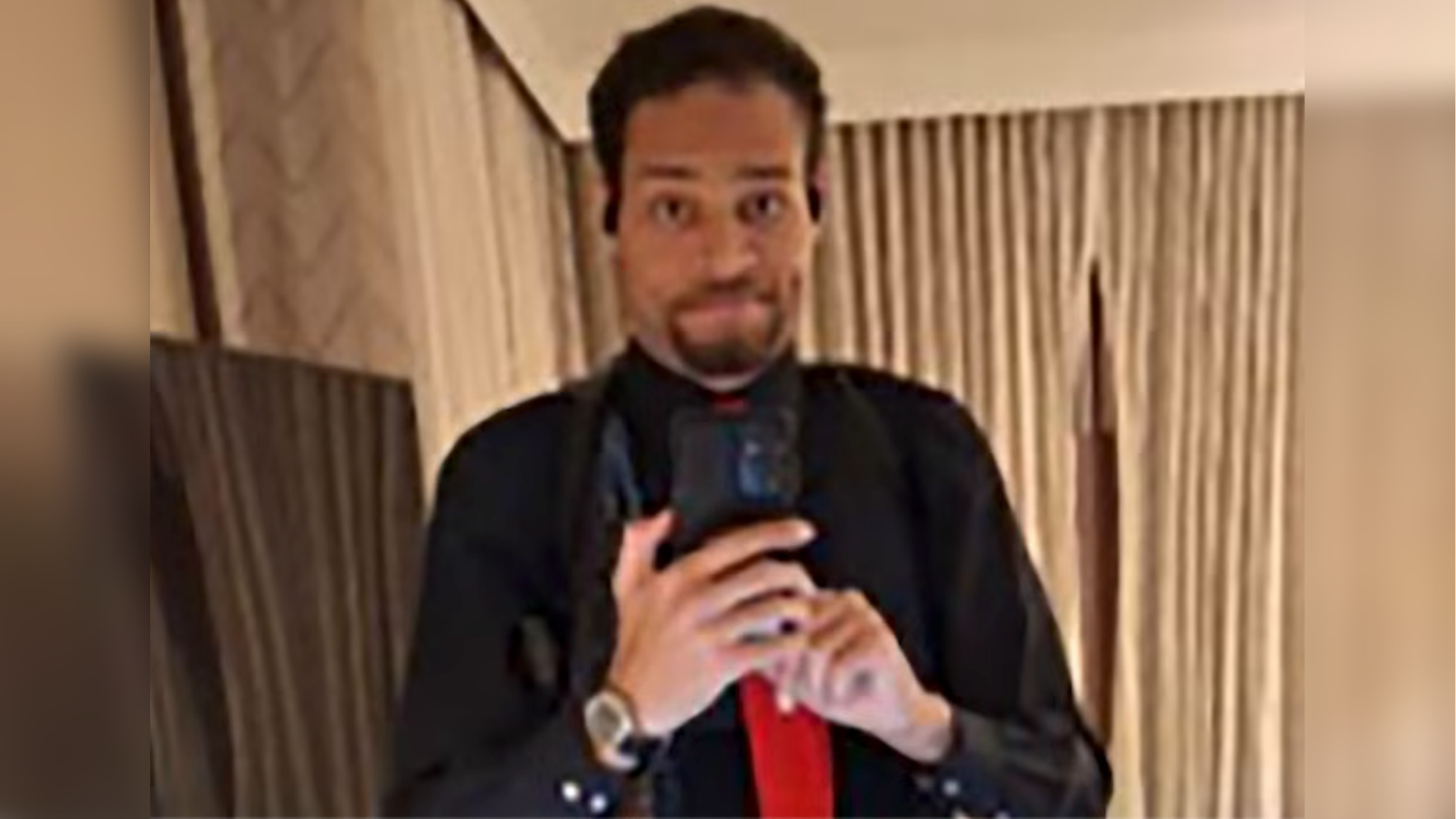
The document, dated April 27 and prepared by the DHS Office of Intelligence and Analysis, notes that the suspect, Cole Allen, presented “multiple social and political grievances.” According to the assessment, the conflict with Iran “may have contributed” to his decision to carry out the attack, based on social media posts criticizing US actions in the
war.
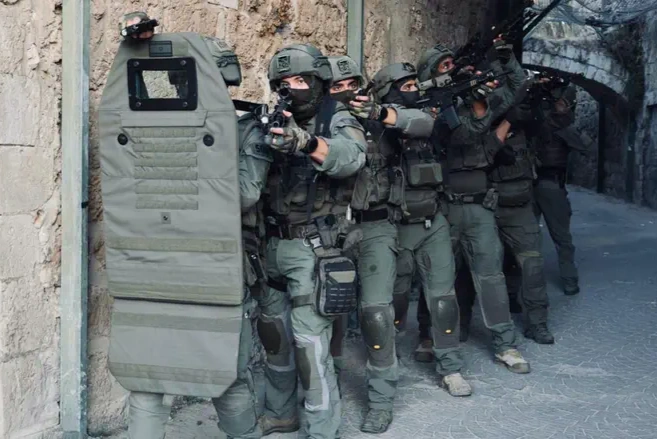
The failed attack took place on April 25 during the annual dinner of White House correspondents, an emblematic event of the American political calendar. Although the findings of the report are preliminary, they constitute the clearest indication so far that the military escalation in the Middle East—which has left thousands dead and generated global instability—may have acted as a
catalyst. The accused of trying to assassinate Donald Trump, Cole Allen
Authorities have brought multiple charges against Allen, including attempted murder, use of firearms during a violent crime, and illegal transportation of weapons between states. This week, the U.S. Department of Justice added a charge of assaulting a federal agent, accusing him of shooting a member of the Secret Service at a security checkpoint. The defendant has not yet filed a formal statement.
Until now, the Federal Bureau of Investigation has avoided providing conclusive details about the cell phone, but has intensified its analysis of Allen's digital activity. Researchers review social media posts that include criticism of both foreign policy in Iran and domestic issues, such as immigration and other government decisions
.
According to court documents, Allen would have expressed a desire to “respond” to policies that he considered morally unacceptable. A message sent to family members the night of the attack - described by authorities as a manifesto - reflected their anger at the administration, although without explicitly mentioning Trump
.
The scrutiny of their online activity also seeks to prevent the proliferation of conspiracy theories, a phenomenon that has already complicated previous investigations of political attacks in the United States.