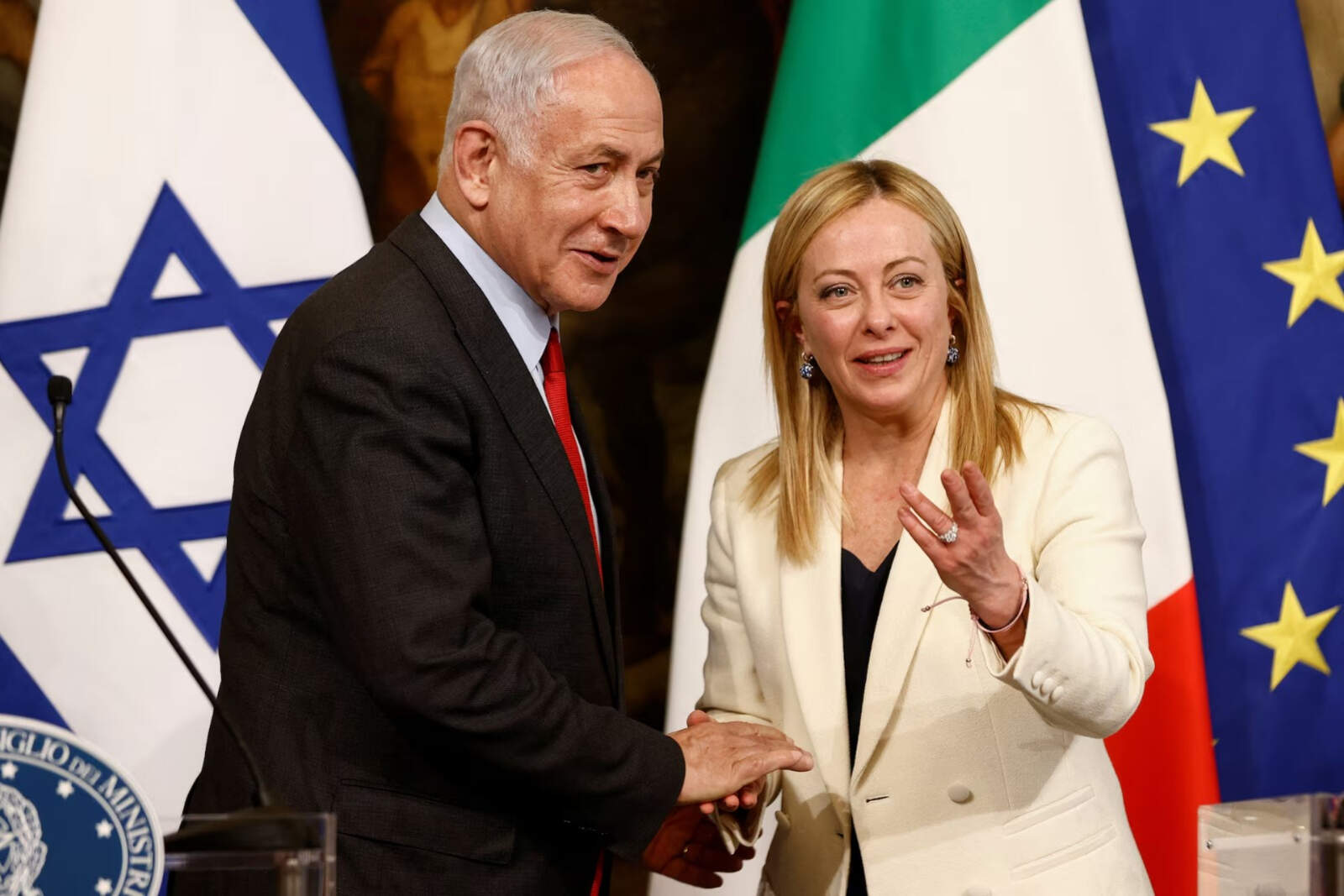
Italy has become the first European country to seriously consider sending troops to the International Stabilization Force (ISF), which would be deployed in Gaza during the second phase of the ceasefire between Israel and Hamas.
The decision, still under review, places Rome at the center of international efforts to prevent a return to chaos and to ensure that the Strip doesn't once again become a hub of terrorism directed against Israel.
In recent days, technical and political discussions have taken place mainly at the Civil-Military Coordination Center (CMCC), where the essential components of the mission are being defined: its mandate, the chain of command, and the rules of engagement.
Only after these parameters are agreed upon will each country be able to clearly assess whether it will participate.
Although some sectors expected a robust mandate capable of directly confronting Hamas, the current assessment indicates that the ISF will not carry out direct disarmament operations against the terrorist organization.
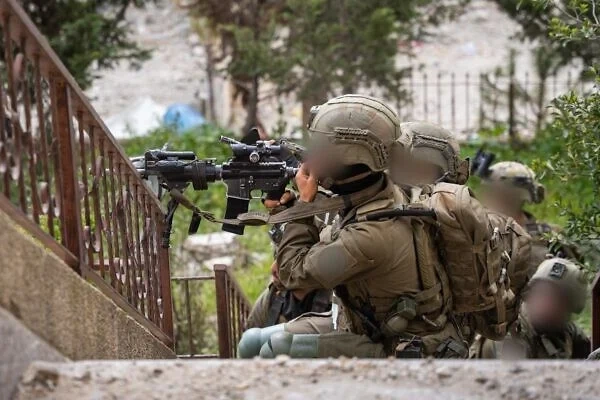
Instead, it will act as a stabilization force, with the capacity to neutralize terrorist infrastructure—tunnels, weapons depots, command centers—but without engaging in a direct clash with the group.
This configuration reflects the complexity of the terrain: a force that is too passive would be useless; one that is too aggressive could undermine the fragile ceasefire. Israel, which knows firsthand the risks of allowing Hamas to reorganize, is closely monitoring how every detail of the mission is defined.
U.S. President Joe Biden wants the multinational force and the countries that will join it to be announced before Christmas or, at the latest, at the beginning of next year.
For Israel, that urgency is a welcome signal: an early international presence could help prevent Hamas from filling the power vacuum again, as has repeatedly happened after previous conflicts.
Meanwhile, the so-called Board of Peace (BOP), a high-level international council, is being established. According to two sources, Biden will announce its members in the coming days, and these will include heads of state.
However, former British Prime Minister Tony Blair, who was initially seen as a natural candidate to join the council, would be excluded due to strong opposition from Arab and Muslim countries, which hold him responsible for the 2003 Iraq war.
According to the Financial Times, even his role within the executive body known as “Management,” which will operate under the BOP and above the future technocratic government that will administer Gaza, is uncertain. Among the possible candidates to lead that body is Nikolay Mladenov, former UN envoy for the Middle East, whose diplomatic experience could facilitate consensus.
Italy's willingness to consider sending troops sends a clear political message: Europe recognizes that security in Gaza is inseparable from Israel's security, and that the previous status quo—with Hamas operating unchecked and amassing military power—can't be repeated.
If the ISF is deployed with an effective mandate, it could become a key factor in preventing the resurgence of Hamas and allow the development of a civil administration in Gaza that is not subordinate to terrorism.