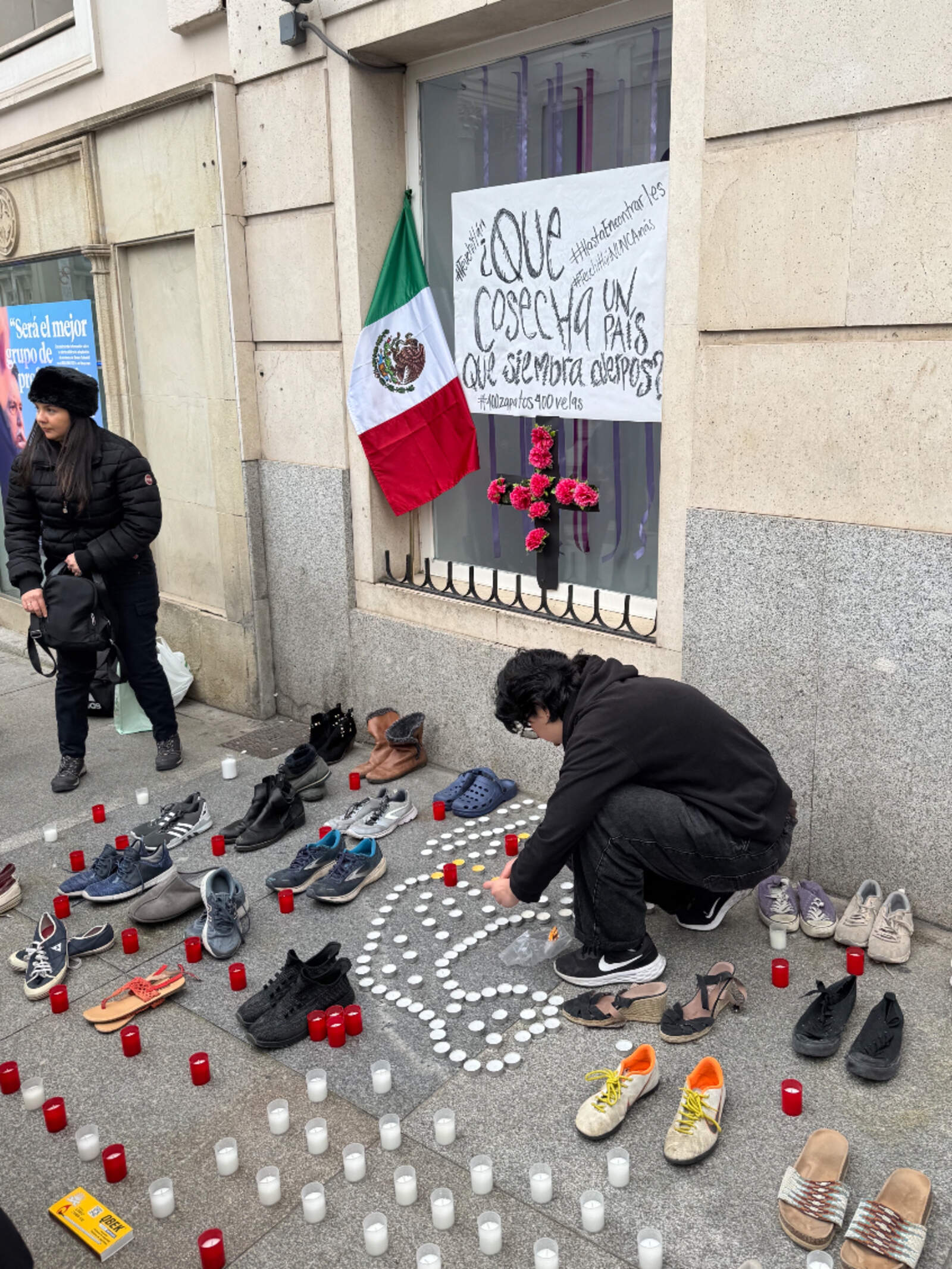

"What seems like solidarity between peoples is, deep down, a reconstruction of Latin American progressivism on European soil, under the guidance of Iglesias and his media network."
Two Mexican migrations, two realities
However, not all Mexicans who arrive in Spain follow that ideological path. There is also a new wave of right-wing Mexicans, professionals, and families fleeing the country's violence and instability.
People who did not vote for Morena, who believe in democracy, and who from abroad fight for a Mexico free from populism and the narco. That other migration shows that not everyone who leaves does so for the same reasons, nor do all arrive with the same ideas.
Import Mexican chaos?
The question is inevitable: is Spain aware of what it is importing?
If the Mexican model has demonstrated anything, it is that populism disguised as social justice ends up serving the most violent. The risk is that, under the protection of the Spanish left, that model may begin to take root in Europe.
Spain thus becomes fertile ground where the Mexican left can replicate its methods and consolidate its influence on the continent.
By: Alejandra Ylizaliturri