"This measure isn't new," Calderón explained. "It responds to accumulated decisions that have hindered the development of Mexican aviation."
Economic impact and less accessibility for passengers anticipated
The air market between Mexico and the United States represents more than 10 billion dollars annually. With the cancellation of routes and reduced competition, analysts foresee a possible increase in international ticket prices. The increase could range between 15% and 25% in the coming months.
The recent aviation conflict between Mexico and the United States could significantly increase the cost of international flights. It would also reduce connectivity options due to the cancellation of routes and the loss of competition in the binational market. Era Calderón, director of the Bachelor's Degree in Airport Management and Air Business at URN Licenciaturas Aviación of the Universidad Regional del Norte, warned this in an interview with Derecha Diario México.
"We're going to have fewer flight options between Mexico and the United States, and there will very likely be a fare increase," Calderón warned. She pointed out that the measure will directly impact passengers, especially during the winter season and end-of-year holidays.
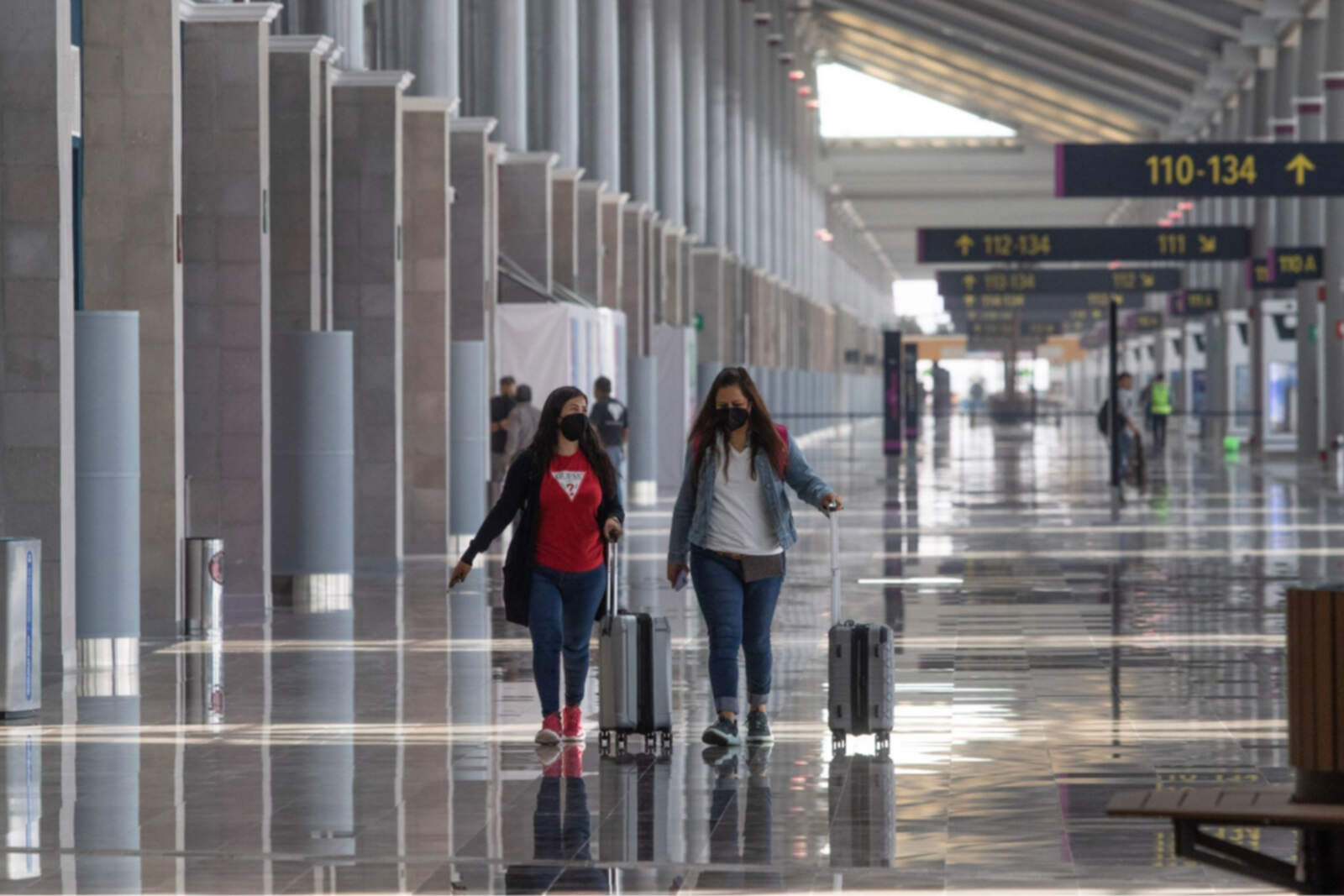
Terminal 2 AICM
Washington responds to authoritarian impositions by the Mexican government
The United States Department of Transportation (DOT) revoked 13 routes operated by Mexican airlines, mainly from the Felipe Ángeles International Airport (AIFA). The decision is based on the Mexican government's alleged violation of the Bilateral Air Transport Agreement. This occurred when unilateral measures were taken without consultation or coordination with its U.S. counterpart.
Among the violations cited by the DOT are the forced reduction of slots at AICM. The requirement to move cargo flights to AIFA without a bilateral agreement is also questioned. These measures directly affect the operating rights of foreign airlines.
"The industry has been very resilient, but these decisions are testing it again," Calderón concluded.
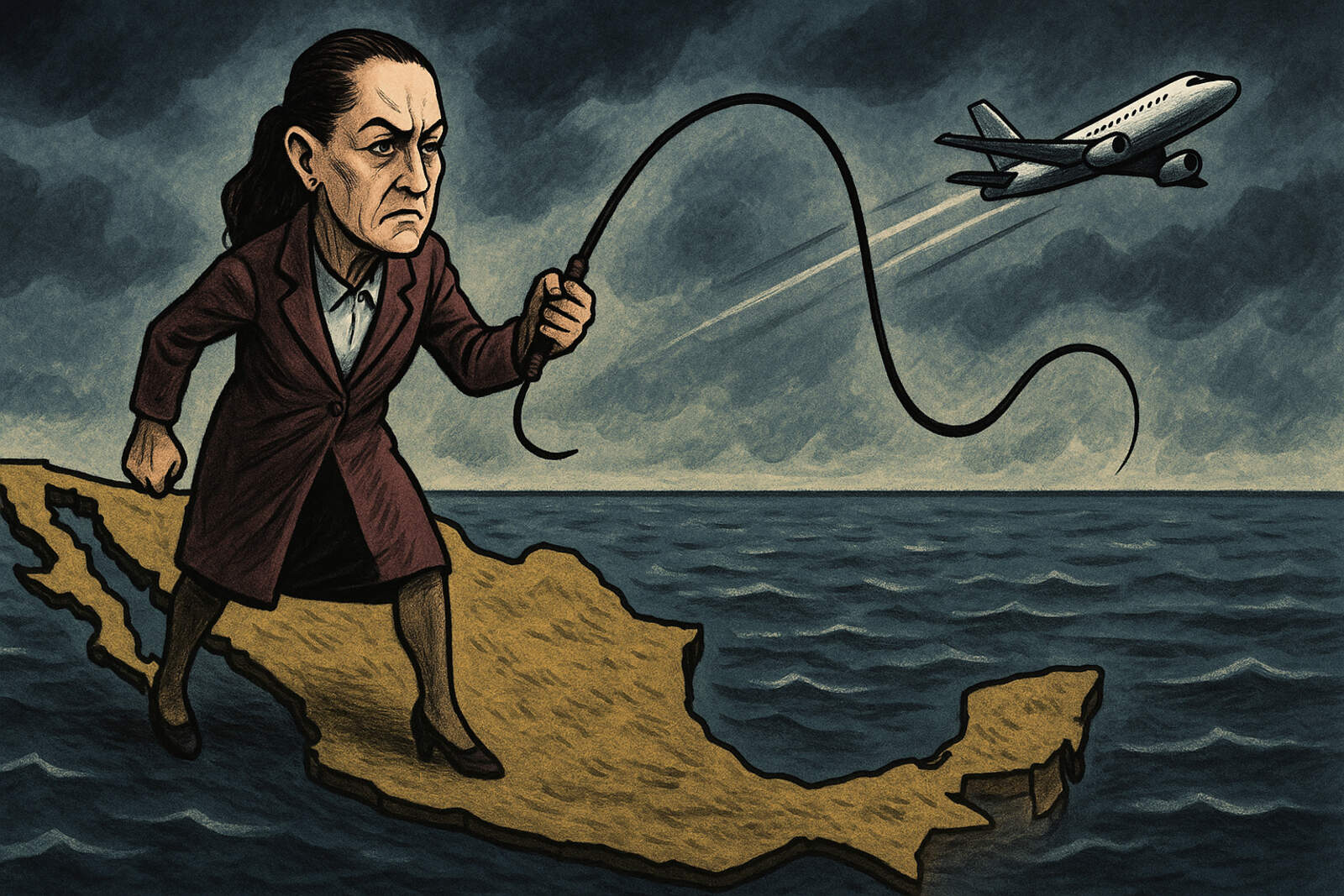
The background of this conflict isn't technical, but political. The government's insistence on imposing AIFA as a nerve center has caused serious international tensions. This occurs despite the airport's low demand and limited accessibility. As a consequence, Mexico is beginning to isolate itself from the global aviation sector.
"The industry has been very resilient, but these decisions are testing it again."