The dismissal of an uncomfortable voice: when telling the truth about Uruguayan justice comes at a cost
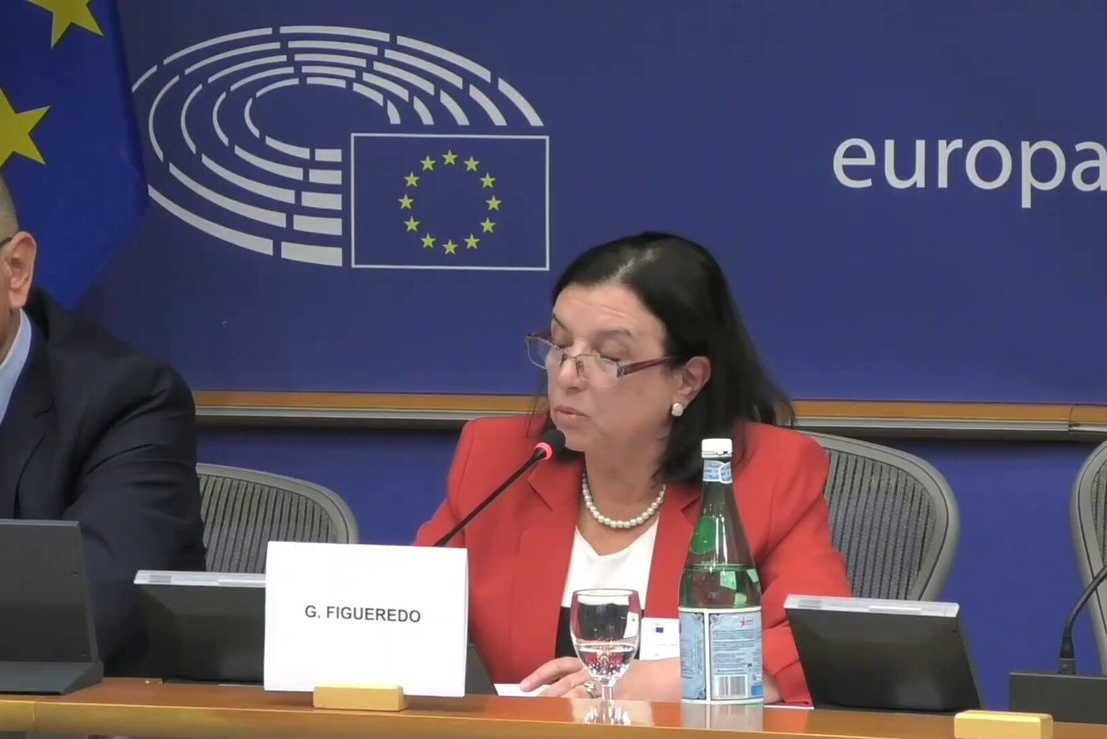
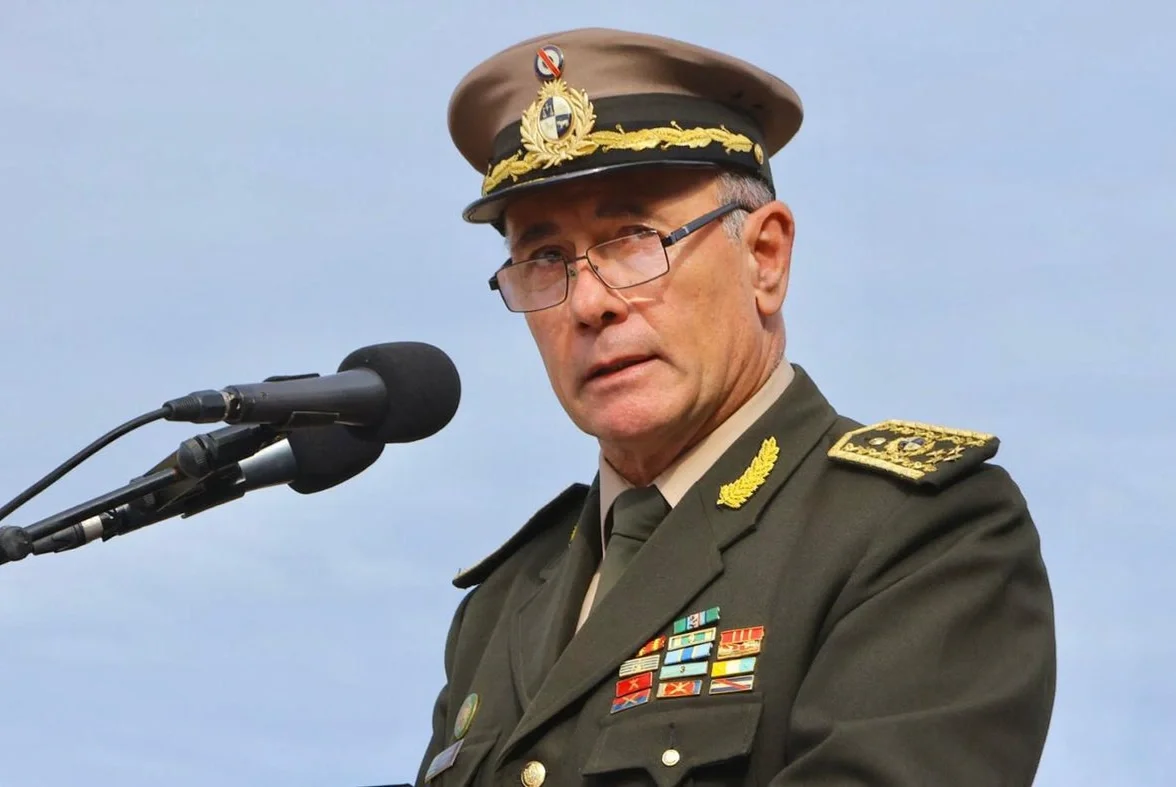
In an episode that starkly reveals the fragility of procedural guarantees in our country, lawyer Graciela Figueredo was removed from her position as legal advisor to the commander-in-chief of the Army, General Mario Stevenazzi. The decision, made by the Minister of National Defense, Sandra Lazo, was purely and simply a response to Figueredo daring to expose before the European Parliament what many Uruguayans know but few dare to say out loud: in trials for events that occurred more than half a century ago, the presumption of innocence has been replaced by a presumption of guilt, and the burden of proof has been flagrantly inverted.
Figueredo, with years of experience defending military personnel and police officers prosecuted in these cases, traveled to Brussels invited to a debate on legal security and popular will. There, with the calmness of someone who knows the files in detail, she explained what Uruguayan courts systematically practice: no conclusive evidence is required to convict. The testimony —often the only one and distant in time— of those who were detained is enough. It does not matter that the events date back to the 1970s, that the accused are elderly over 80 years old, or that documentary evidence is glaringly absent. In these cases, the rule is clear: the military or police officer must prove their innocence. The State, on the other hand, does not have to prove almost anything.
This is the inversion of the onus probandi turned into state policy. An elementary principle of criminal law —that the accuser must prove guilt, not that the accused must prove their innocence— has been set aside in the name of a supposed “historical truth” that, in practice, translates into a selective hunt. Figueredo did not deny the excesses or specific crimes. She simply reminded that the rule of law cannot be built on the basis of violating its own rules. And for that, she paid.
The reaction was swift. Mothers and Relatives of Disappeared Detainees issued a furious statement, denouncing Figueredo's initial appointment and demanding her head. The organization, which has turned memory into an exclusively political tool, does not tolerate anyone questioning the single narrative. For them, any technical defense of the accused is “denialism” and any call for due process is “impunity.” Minister Lazo, under pressure, opted for the easiest way out: to dismiss the lawyer. “There is no possible neutrality in the face of silence,” she justified. Translation: anyone who does not conform to the official script is out.
This episode is not an isolated incident. It is the expression of a structural problem that has plagued Uruguay for decades. Trials for crimes against humanity have become a mechanism where the retroactivity of the law, selective imprescriptibility, and extensive interpretation of facts prevail over constitutional guarantees. People are prosecuted and convicted for actions that occurred in a context of internal war —where Tupamaro terrorism and state response marked an era— as if they were common crimes committed in full democracy. It is ignored that many of those military personnel acted under legitimate orders from elected governments and that Uruguayan society, at the time, largely supported the restoration of order.
The most serious aspect is the message this dismissal sends to the Armed Forces as a whole. The Army is not a political actor. It is a state institution whose function is to defend sovereignty and the Constitution. Appointing an experienced lawyer as a legal advisor was not an act of provocation; it was an act of institutional sensibility. Removing her for having said in Europe what cannot be said here amounts to admitting that judicial truth is more bothersome than convenient lies.
Figueredo is neither the first nor will she be the last silenced voice in this debate. But her case starkly illustrates how certain sectors of the ruling party and human rights organizations understand “memory” as an ideological monopoly. They do not accept dissent. They do not tolerate the reminder that in the 1970s there were two violences: that of the State and that of the terrorism that sought to overthrow democracy by force. They do not admit that national reconciliation requires applying the law equally, without deferred vengeance or tailored historical revisions.
Minister Lazo chose the easy path: to sacrifice a competent official to calm an activist sector. In doing so, she not only weakened the institutional integrity of the Army; she also confirmed that, in matters of “human rights,” in Uruguay there are untouchable truths and heresies that cost one their position. Graciela Figueredo, at least, had the courage to say abroad what many keep silent at home. Her dismissal does not erase what was said. It only confirms that the presumption of innocence, in some courts and some ministerial offices, remains a luxury reserved for very few.