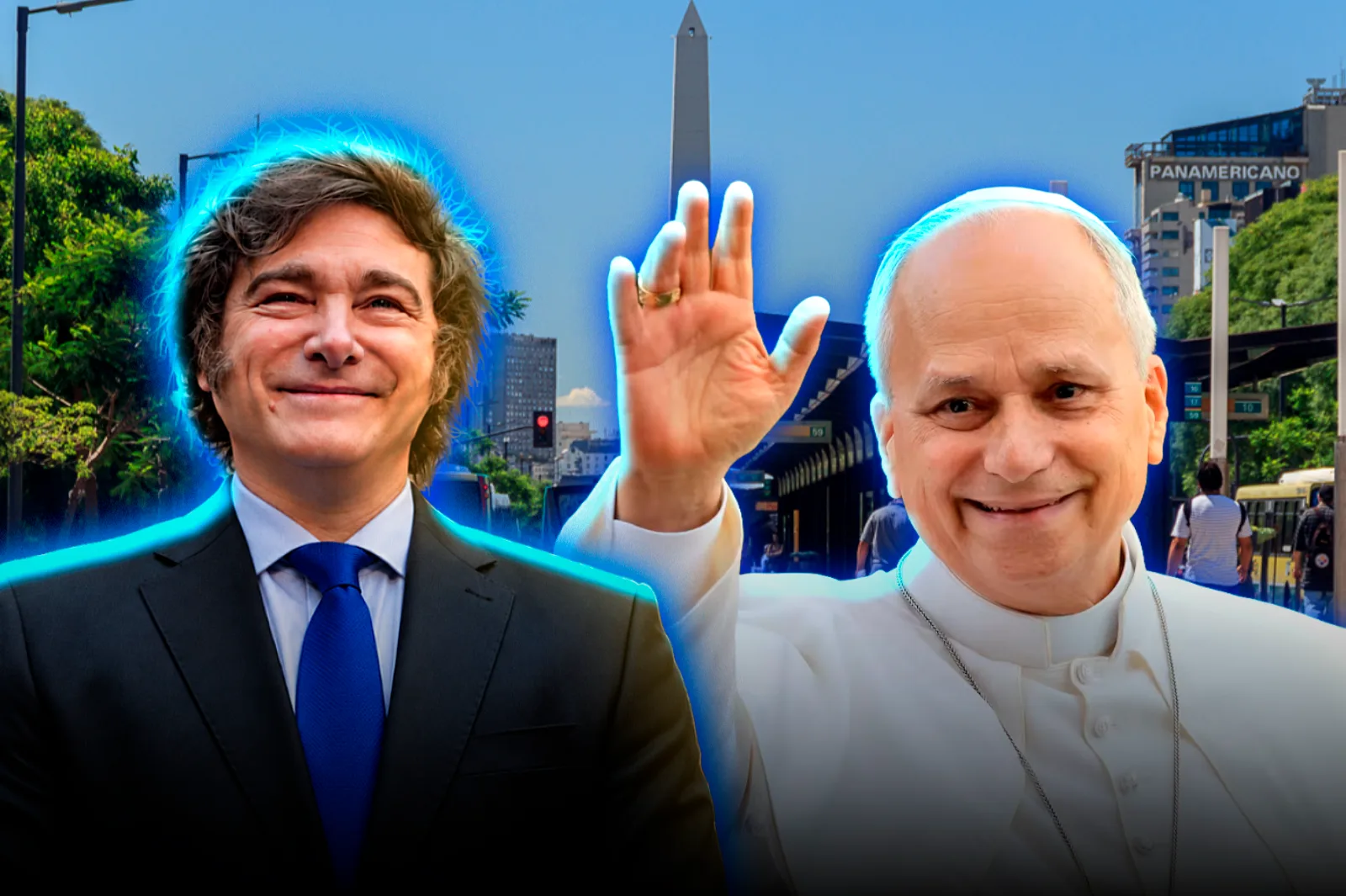
The government of Javier Milei finalized the withdrawal of the World Health Organization after the legal deadline had elapsed. The decision aims to recover health autonomy and strengthen direct international agreements.
The government of Argentina formalized its departure from the World Health Organization (WHO), a measure promoted by the administration of President Javier Milei to regain greater autonomy in terms of health policy.
The announcement was made by Foreign Minister Pablo Quirno, who reported that the withdrawal took effect one year after the formal notification sent by the country.
“Today, Argentina's withdrawal from the World Health Organization takes effect,” said the official through the social network X. The
decision was taken a year ago
. Argentina officially announced its departure on March 17, 2025, through a note addressed to the Secretary General of the United Nations, who acts as the depositary of the WHO constitution
.
In accordance with the Vienna Convention on the Law of Treaties, the withdrawal of an international body becomes effective one year after notification.
With the expiry of that deadline, the departure from the country was formalized.
A change of direction in health policy The
Milei administration maintains that the decision responds to profound differences with the WHO's health approach, especially after the global policies promoted
during the pandemic.
The Government considers that the international organization adopted positions that do not adequately reflect the interests of Latin American countries.
In this context, the official strategy aims to regain sovereignty in health decision-making.
International cooperation without intermediaries
After leaving the WHO, the Argentine Government plans to strengthen direct cooperation mechanisms with other countries
.
The authorities announced that they will promote:
bilateral agreements in health matters
,
their own epidemiological surveillance systems
,
regional cooperation in public health
.
The intention is to maintain international ties without depending on bodies that condition national
Within this framework, the Ministry of Health and PAHO promoted talks with laboratories to expand exports through the regional Revolving Fund.
Participants in the meeting were:
Mario Lugones, Minister of Health
Luis Fontana, head of ANMAT
pharmaceutical chambers such as CILFA, Cooperala and CAEME
.
The objective is that drugs produced in Argentina can be sold in other countries in
the region.
A new role for ANMAT
Within this framework, the Government seeks to expand the international reach of
ANMAT.
The idea is that regulatory authorizations issued by the Argentine body can be automatically recognized by other countries that participate in joint purchases of the regional system.
This change would make it possible to increase exports and strengthen the domestic pharmaceutical industry.
A decision aligned with the Government's agenda
The departure from the WHO is part of the Milei government's strategy aimed at reducing dependencies on international organizations and strengthening national sovereignty
.
The Casa Rosada maintains that the country will continue to cooperate in health matters at the international level, but with an approach based on direct agreements and autonomous decisions.