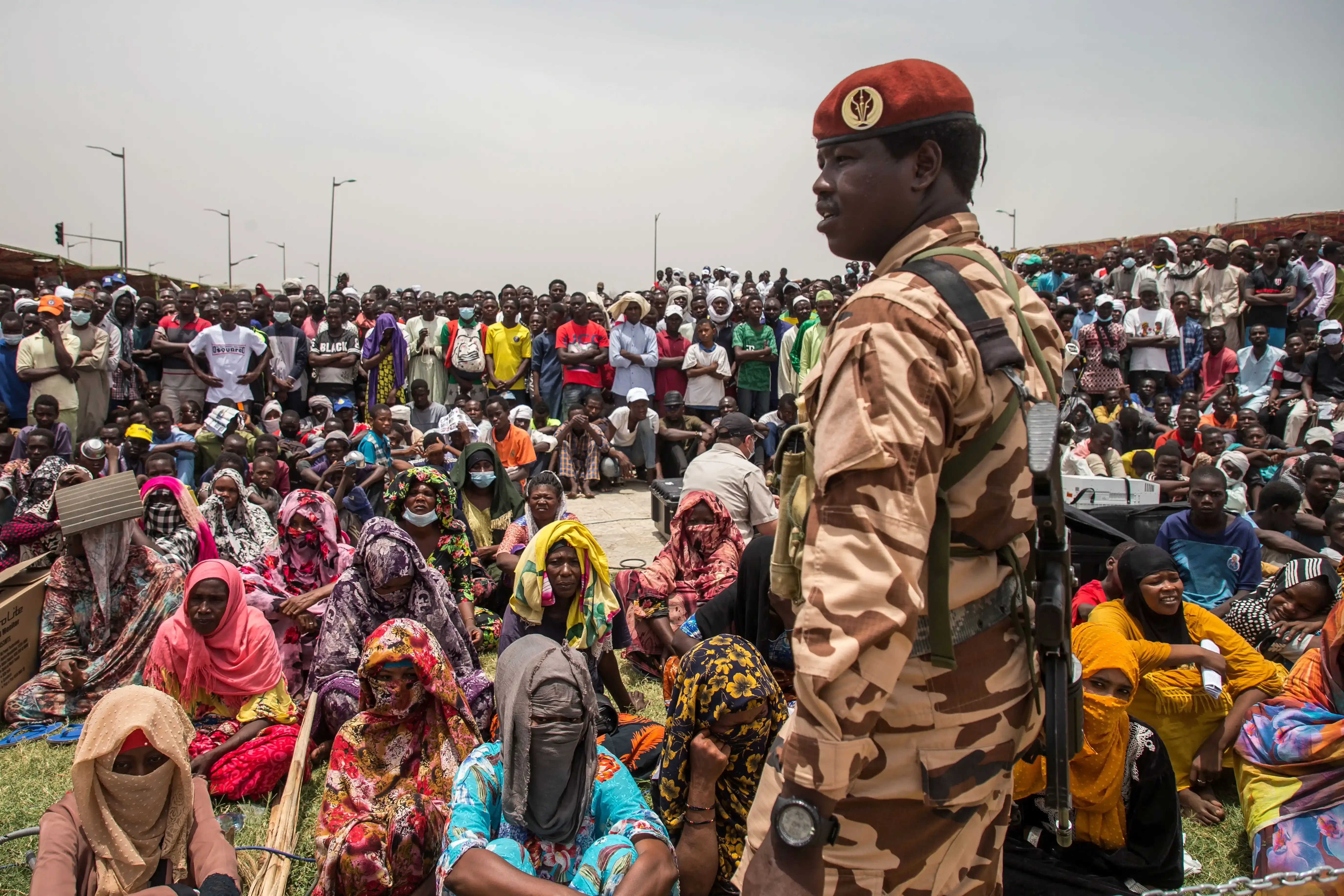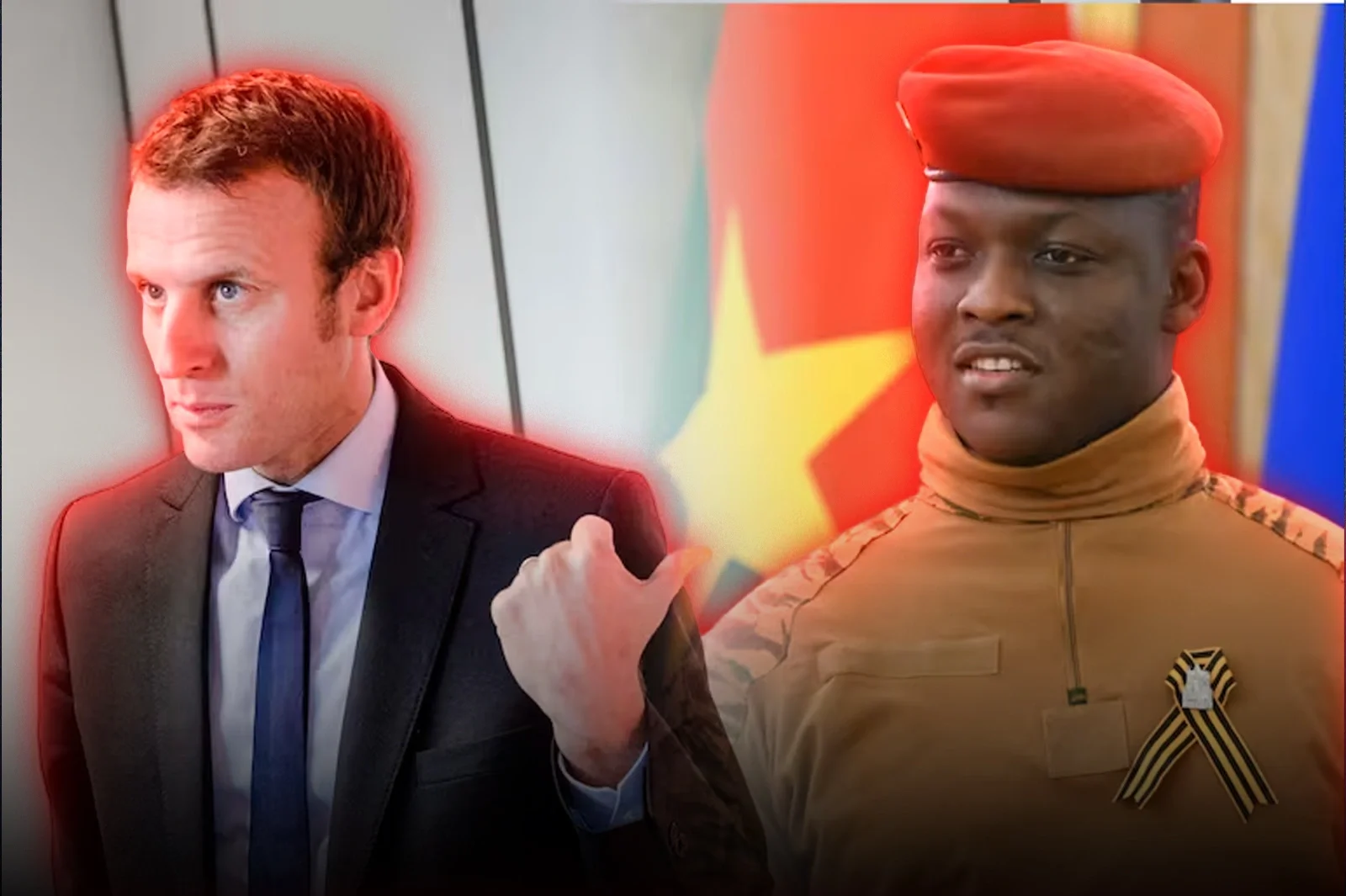

Burkina Faso officially broke its diplomatic relations with France, deepening the rift with the former colonial power and culminating years of growing political, military, and diplomatic tensions between the two countries. The decision was announced by the military junta that governs the African nation and took effect immediately, in a new episode of the shifting alliances that are affecting the Sahel region.
The Burkinabe regime communicated on Friday the severing of ties with Paris, accusing it of maintaining ''neo-colonial ambitions'' and of supporting ''subversive and terrorist networks''. Although the authorities did not provide evidence to support these accusations, they claimed that France has repeatedly interfered in the country's internal affairs and that the conditions no longer exist to maintain a diplomatic relationship based on mutual respect.
In an official statement, the Minister of Communication, Pingdwende Gilbert Ouedraogo, stated that ''the essential conditions for developing relations based on mutual respect, mutual trust, non-interference in internal affairs, and respect for national sovereignty are no longer met''. For this reason, he explained, the Government decided to immediately end diplomatic relations with France.

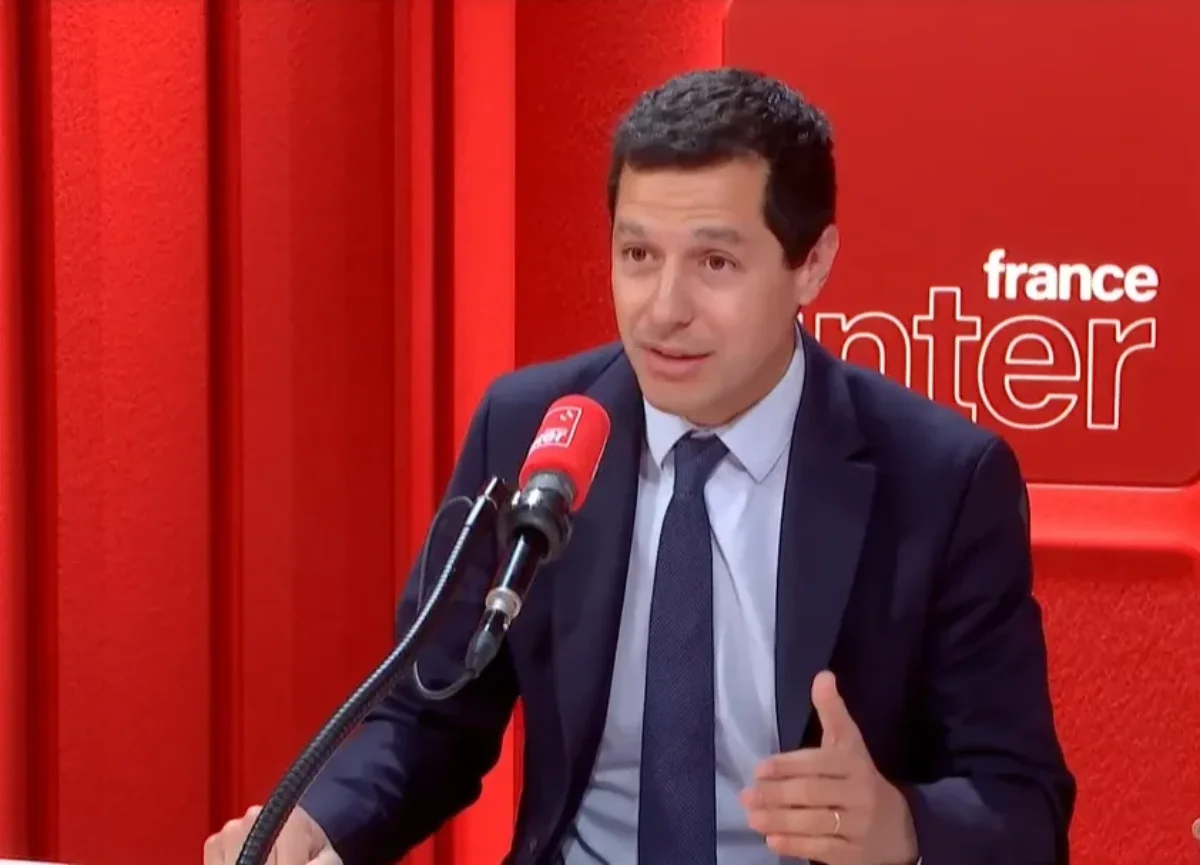
Paris's response came just a few hours later. The French Ministry of Foreign Affairs expressed regret over the decision and described it as ''hostile and unfounded''. Furthermore, it stated that the announcement reflects ''the worrying drift of the Burkinabe authorities'' and confirmed that it is considering adopting reciprocal measures in response to the diplomatic break.
The spokesperson for the French Ministry, Pascal Confavreux, noted that the Government is evaluating what the next steps will be and, at the same time, advised French citizens remaining in Burkina Faso to take extra precautions while monitoring the situation on the ground.
For now, it is unclear how the decision will affect the functioning of the French embassy in Ouagadougou or what consequences it will have for the bilateral cooperation that was still in effect between the two countries.