








Macron stressed that European countries are “taking control of their own destiny” in terms of security, while von der Leyen insisted on the need to “strengthen military capabilities to protect and defend themselves”. These statements reflect a growing trend toward greater strategic self-sufficiency, driven in part by the demands of the
Trump administration.However, the debate within NATO is not without tension. Some countries, such as Spain, have refused to allow their bases to be used for operations related to the conflict with Iran. The Spanish government has described military intervention as “unjustified” and contrary to international law, a position that has generated friction
with Washington.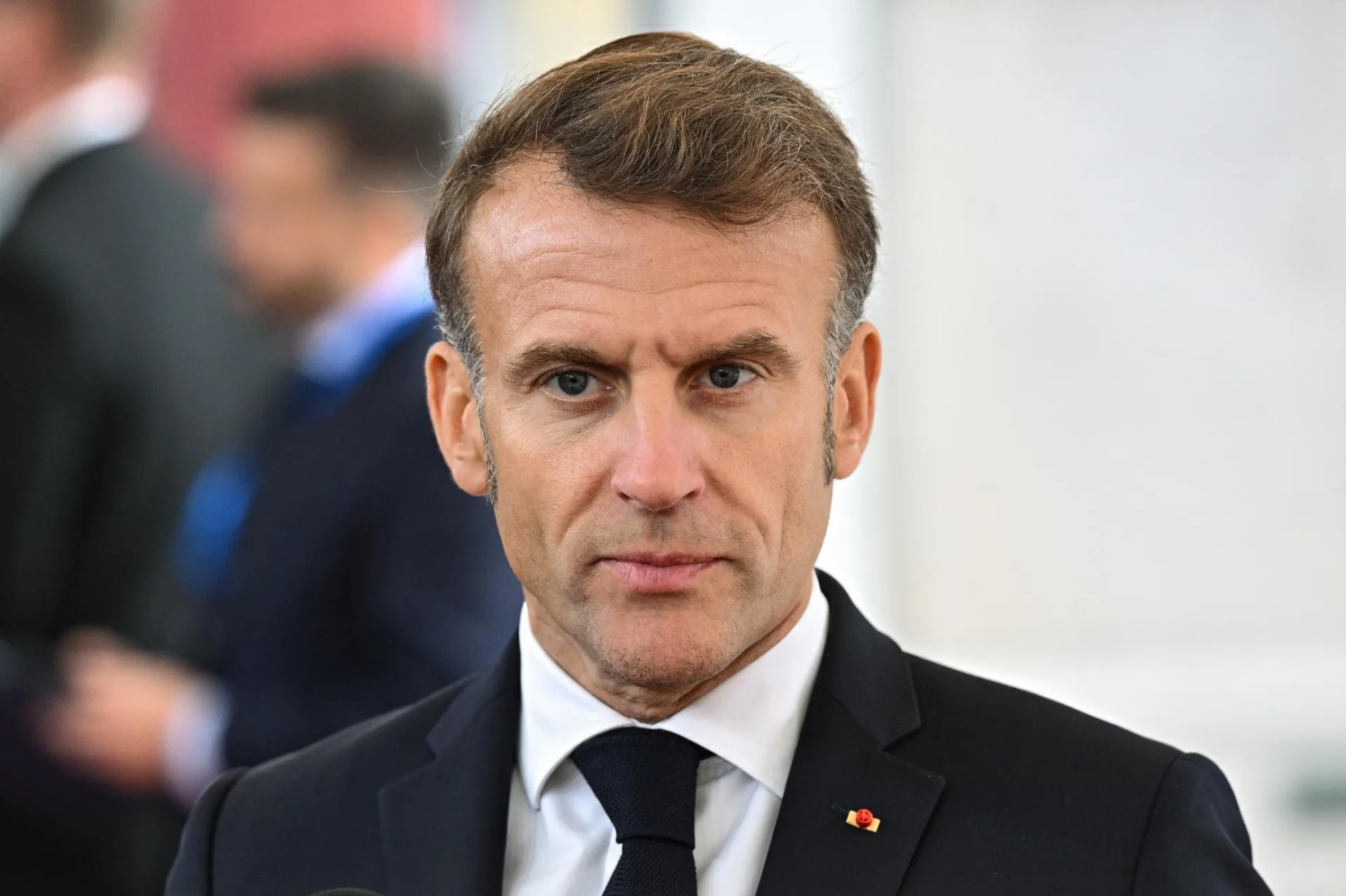
In response to these critical positions, Trump has toughened his speech and has even threatened to review trade relations with some partners that do not fully cooperate. The White House insists that global security depends on coordinated action and that internal divisions weaken the West's capacity to respond
.In this context, the conflict in Iran and tensions in the Strait of Hormuz have accelerated changes within the Atlantic Alliance. The growing militarization of the region and the interruption of maritime traffic have reinforced the perception that Europe must assume a more active role in international security
.