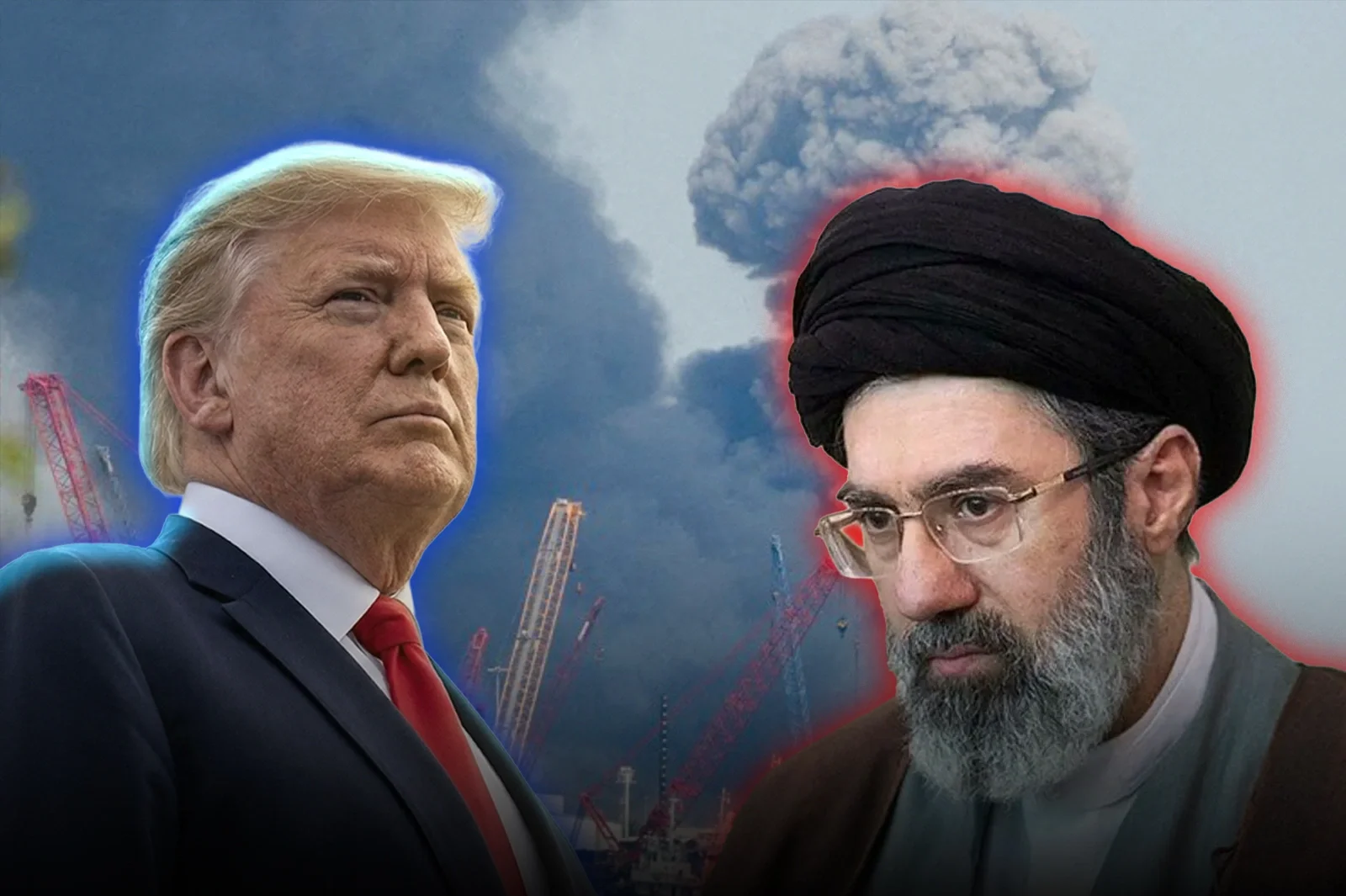
Tension in the Middle East reached a new level this Wednesday after the Iranian regime launched missiles and drones against U.S. military bases in the region, including facilities in Bahrain and Jordan, in response to airstrikes ordered by the United States against Iranian positions near the Strait of Hormuz. The escalation occurred after the downing of a U.S. Apache helicopter, an incident that President Donald Trump directly attributed to Tehran and which triggered a rapid military retaliation.
The exchange of attacks represents one of the most serious episodes since the beginning of the current regional crisis and once again places the Iranian regime at the center of accusations for destabilizing one of the most strategic maritime routes on the planet.
The Islamic Revolutionary Guard Corps (IRGC), the main military and ideological arm of the Islamic regime, confirmed early in the morning the launch of drones and missiles against U.S. targets. In a statement released through official channels, the ''Guardians of the Revolution'' asserted that one of their operations was directed against facilities linked to the U.S. Fifth Fleet in Bahrain.
The organization also claimed that the offensive was a response to the bombings carried out by Washington hours earlier on several points in southern Iran. According to the Iranian version, the U.S. attacks damaged civilian infrastructure, including water storage facilities and a telecommunications tower in the Sirik region.
For its part, the U.S. Central Command (CENTCOM) confirmed that it had carried out attacks against Iranian military targets and described the operation as a proportional and legitimate response to a prior aggression from Tehran. U.S. forces indicated that the selected targets included radar and air defense systems used to threaten international navigation and military operations in the Strait of Hormuz.
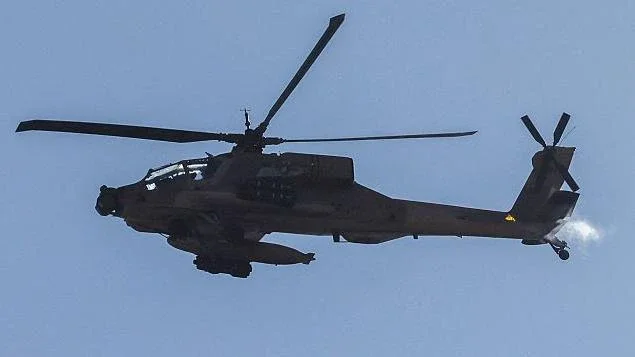
The crisis was triggered after a U.S. Apache helicopter was shot down while conducting patrol duties in one of the world's most sensitive maritime areas. Trump directly blamed the Iranian regime for the incident and maintained that the United States could not remain passive in the face of an attack on its armed forces.
Although both crew members survived, the destruction of the aircraft was interpreted by Washington as a serious provocation that demanded an immediate response to restore deterrence and protect freedom of navigation in the region.
The United States bombed strategic military positions of the Iranian regime after the downing of a U.S. Army helicopter
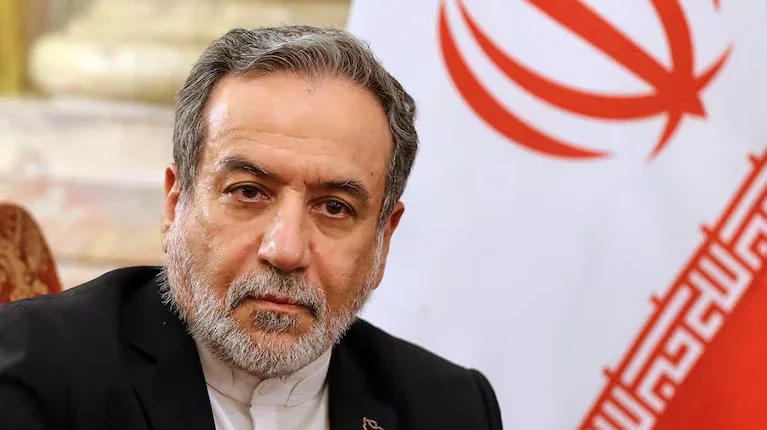
The reaction from Tehran was swift. Iranian Foreign Minister Abbas Araqchi issued harsh warnings against the United States and demanded the withdrawal of U.S. forces from the region. He also stated that Iranian armed forces would respond to any new military action and accused Washington of testing the determination of the Islamic regime.
However, numerous Western governments believe that it is precisely the Iranian regime that is primarily responsible for the growing regional instability. For years, Tehran has been accused of funding, training, and arming allied groups in various Middle Eastern countries, including organizations like Hezbollah, in addition to developing military programs that have raised international concern.
The recent events have also highlighted the role of the Revolutionary Guard, considered by several countries as an organization involved in destabilizing activities beyond Iranian borders. For its critics, the actions taken by the IRGC reflect a strategy of permanent confrontation aimed at expanding the regional influence of the Islamic Republic at the expense of international security.
The Iranian Foreign Minister demanded the withdrawal of U.S. forces from the region
The situation becomes even more delicate as it occurs amid a ceasefire that was already showing signs of collapse. Just a day earlier, Iran and Israel had exchanged attacks for the first time since the ceasefire agreed upon in April came into effect. Iranian media reported that Israeli bombings resulted in the deaths of members of the country's air defense units, fueling a new spiral of hostilities.
Since the beginning of military operations between the United States, Israel, and Iran in late February, the conflict has had global repercussions. Energy markets have experienced significant turbulence due to the strategic importance of the Strait of Hormuz, through which a significant portion of the world's oil passes. The rise in energy prices has also impacted the cost of food and other essential goods.