Australia and Japan signed a historic defense agreement this Saturday that marks a turning point in Japanese military policy, evidencing the progressive abandonment of pacifism that has characterized to Tokyo since the post-war period. The agreement, valued at about 10 billion Australian dollars (7 billion US dollars), provides for the provision of warships to the Australian Navy and represents Japan's most important military export in decades
.
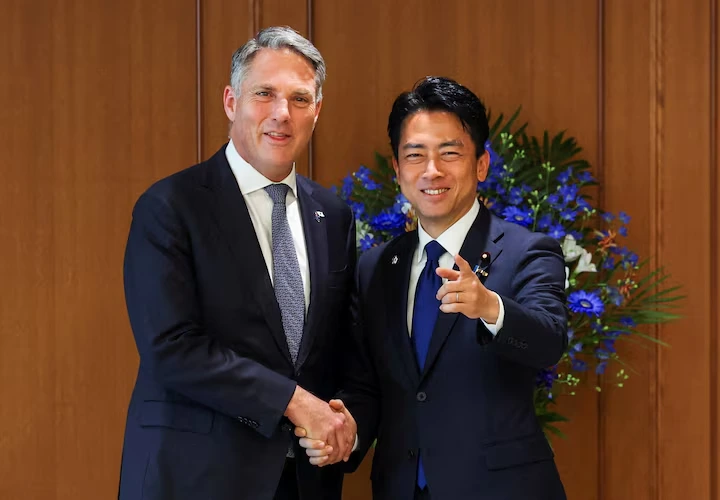
The agreement was signed by Defense Ministers Richard Marles and Shinjiro Koizumi, who emphasized the strengthening of strategic cooperation between the two countries. However, beyond the bilateral link, the pact reflects a much deeper change in Japan's position on international security.
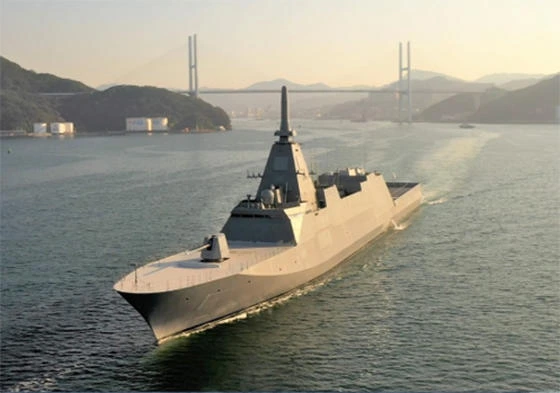
The company Mitsubishi Heavy Industries will be responsible for building three Mogami-class multipurpose frigates in Japan, with deliveries expected starting in 2029. Subsequently, eight other boats will be manufactured in Australia, consolidating an unprecedented industrial and technological collaboration. These ships are designed for complex operations, including anti-submarine warfare, surface combat and air
defense. The defense ministers of Australia and Japan sealed a historic agreement for the supply of reciprocal weapons
For Australia, the objective is to reinforce its defense capacity in the Indian Ocean and the Pacific, especially in the context of China's growing military presence. However, for Japan, the agreement has an even greater meaning: it symbolizes its transformation into a more active military actor willing to project power beyond
its borders.
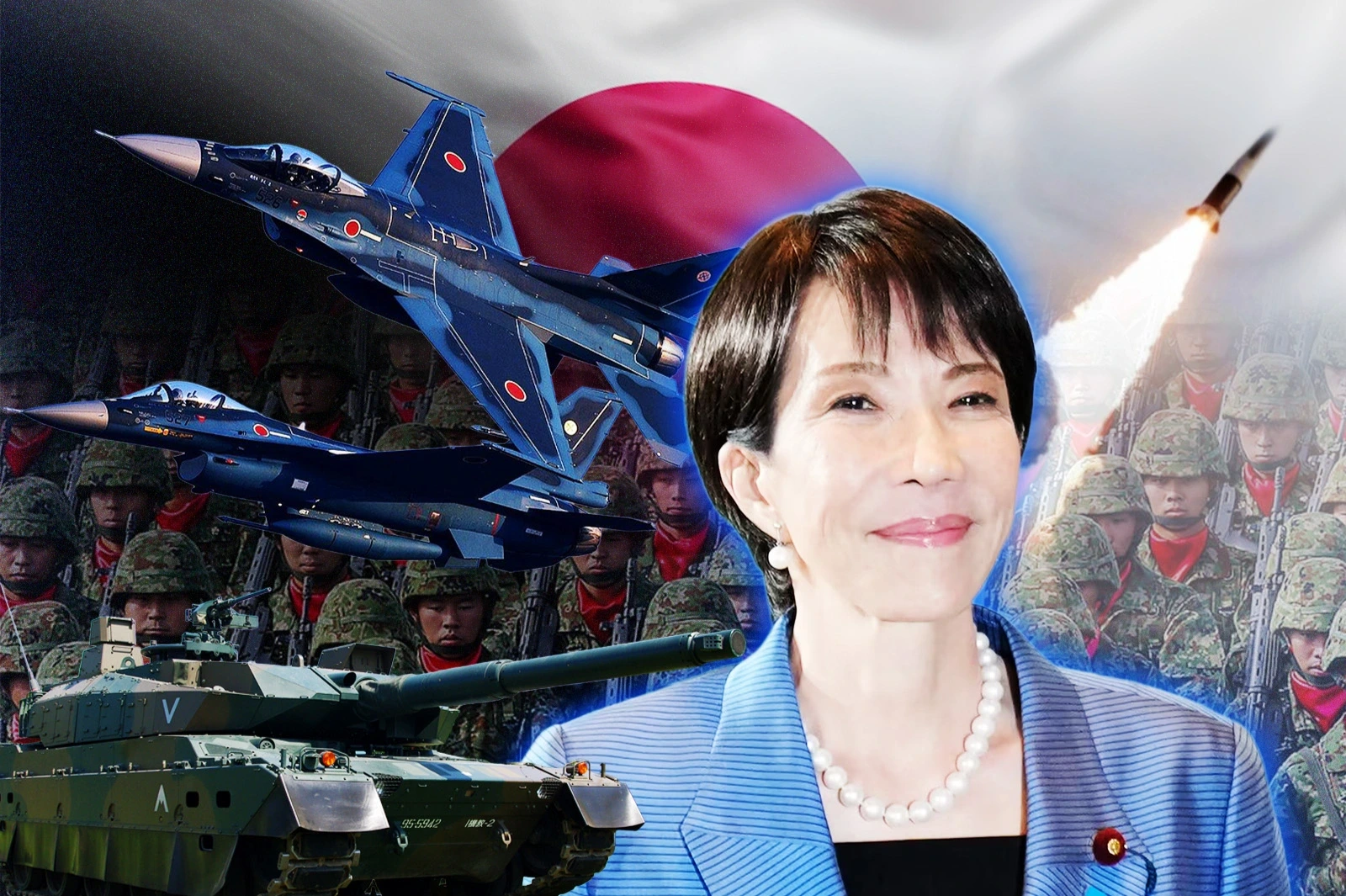
Since the end of World War II, Japan adopted a pacifist doctrine that severely limited its military capabilities and largely prohibited the export of weapons. However, this position has changed steadily in recent years. The lifting of the export ban in 2014 was the first step, but the recent reforms promoted by the government of Sanae Takaichi mark a much clearer break
with that legacy.
Tokyo recently announced the removal of several restrictions that limited the sale of military equipment abroad, now allowing exports of advanced systems such as missiles and warships. Although certain formal principles are maintained, such as avoiding sales to countries in conflict, the new approach gives the government greater flexibility to approve operations based on its strategic interests
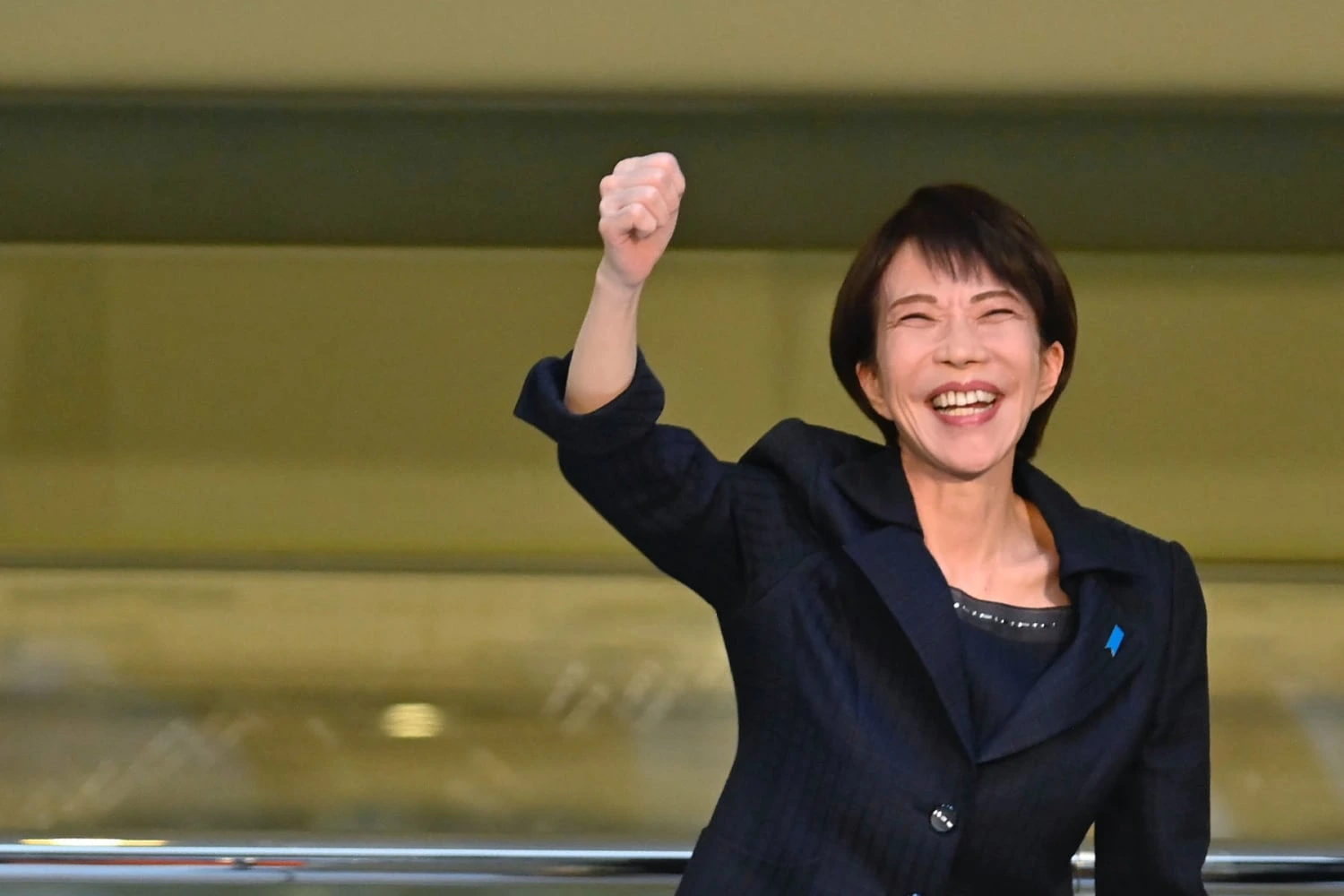
. Sanae Takaichi has encouraged a major change in Japan's pacifist structure, carrying out profound reforms
This shift responds to both geopolitical and economic factors. On the one hand, Japan seeks to strengthen its defense industry, increasing production and reducing costs. Companies like Mitsubishi Heavy Industries, which for decades relied almost exclusively on domestic orders, are now finding new opportunities in the global market. On the other hand, Tokyo seeks to strengthen alliances and counter China's military rise in the Asia-Pacific.
The international context has also accelerated this change. Conflicts such as the war in Ukraine and tensions in the Middle East have increased global demand for weapons
.
In parallel, Japan has intensified its own rearmament. The country has increased its defense spending to approximately 2% of its GDP and continues to invest in advanced capabilities, including long-range missiles, stealth aircraft and drones. In addition, it is participating together with the United Kingdom and Italy in the development of a new generation fighter planned for the 2030s, which reinforces its integration into international military projects
.
Japanese officials have indicated that other countries, such as Poland and the Philippines, are also exploring the acquisition of Japanese military equipment, suggesting that the agreement with Australia could be just the beginning of a wider expansion in this area.
Mitsubishi will be responsible for carrying out much of Japan's military development in the coming years