

A recent study pushes back by nearly a hundred years the date when millet began to be cultivated and consumed in the territory of present-day Poland. According to the research, this cereal was already part of the local diet around 1590 BC, during the Bronze Age.
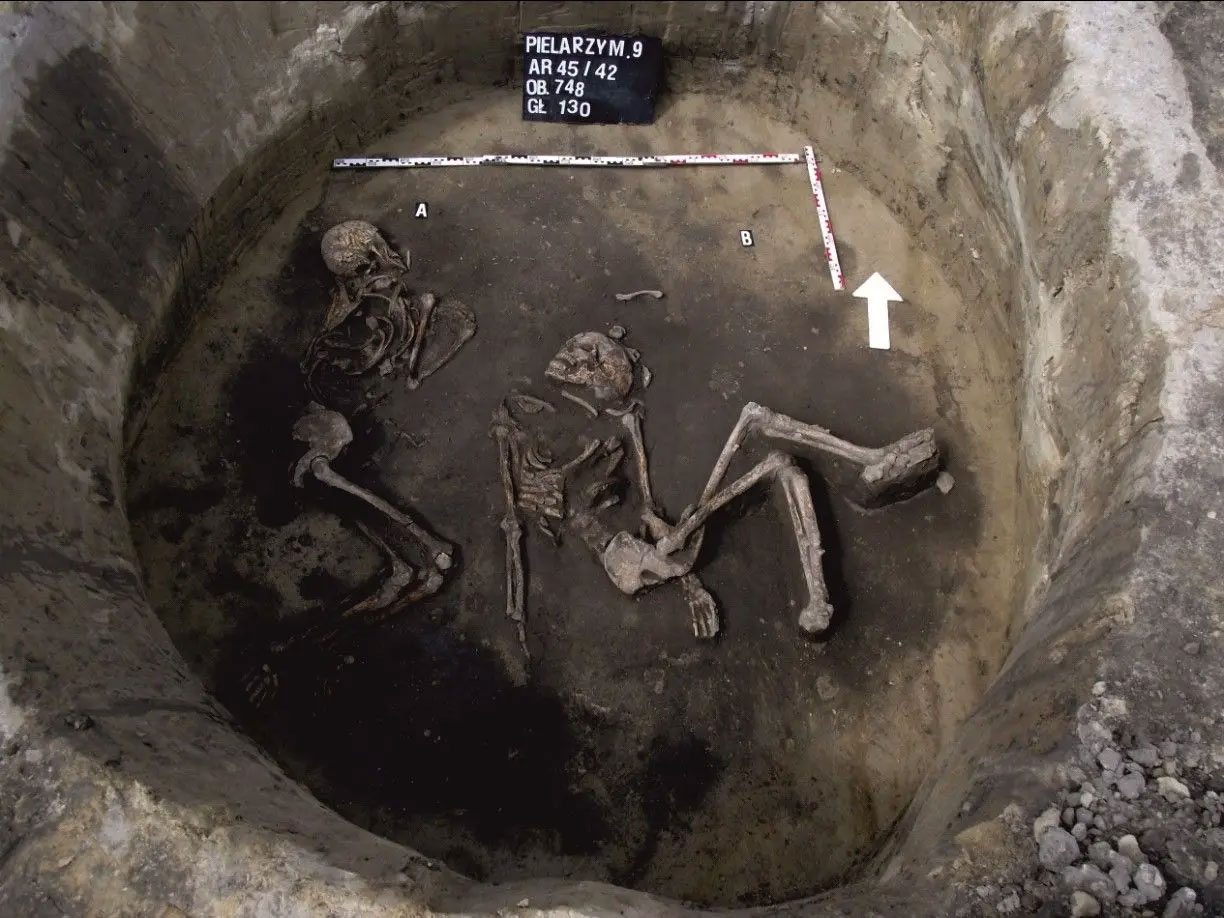
The work was led by Przemysław Makarowicz from Adam Mickiewicz University, along with a team of colleagues. They analyzed isotopes present in the teeth and bones of more than 190 individuals whose remains were recovered from archaeological sites in Poland. These individuals lived between 2200 and 1000 BC.
The results indicate that millet, a drought-resistant and fast-growing plant, was introduced gradually. Over time, it gained importance in the diet, although it did not completely displace other already established crops.
“The introduction of the new plant did not bring about a revolution that involved the complete replacement of wheat or barley,” Makarowicz explained. The adoption was gradual and coexisted with the species already cultivated in the region.
Origin and diffusion without massive migrations
The researchers also observed that those who consumed millet and those who did not shared similar archaeological and genetic profiles. No differences were detected that suggested the arrival of new population groups as the cause of the dietary change.
Strontium isotope analyses indicate that the first consumers of millet came from southeastern Poland. From there, the cultivation would have gradually spread to other areas of the territory.