
Lula burns millions of dollars in reserves in a week to try to stabilize the real

Lula burns millions of dollars in reserves in a week to try to stabilize the real

The Central Bank intervened with billions of dollars, but failed to stop the decline of the real after Lula's reelection

Share:

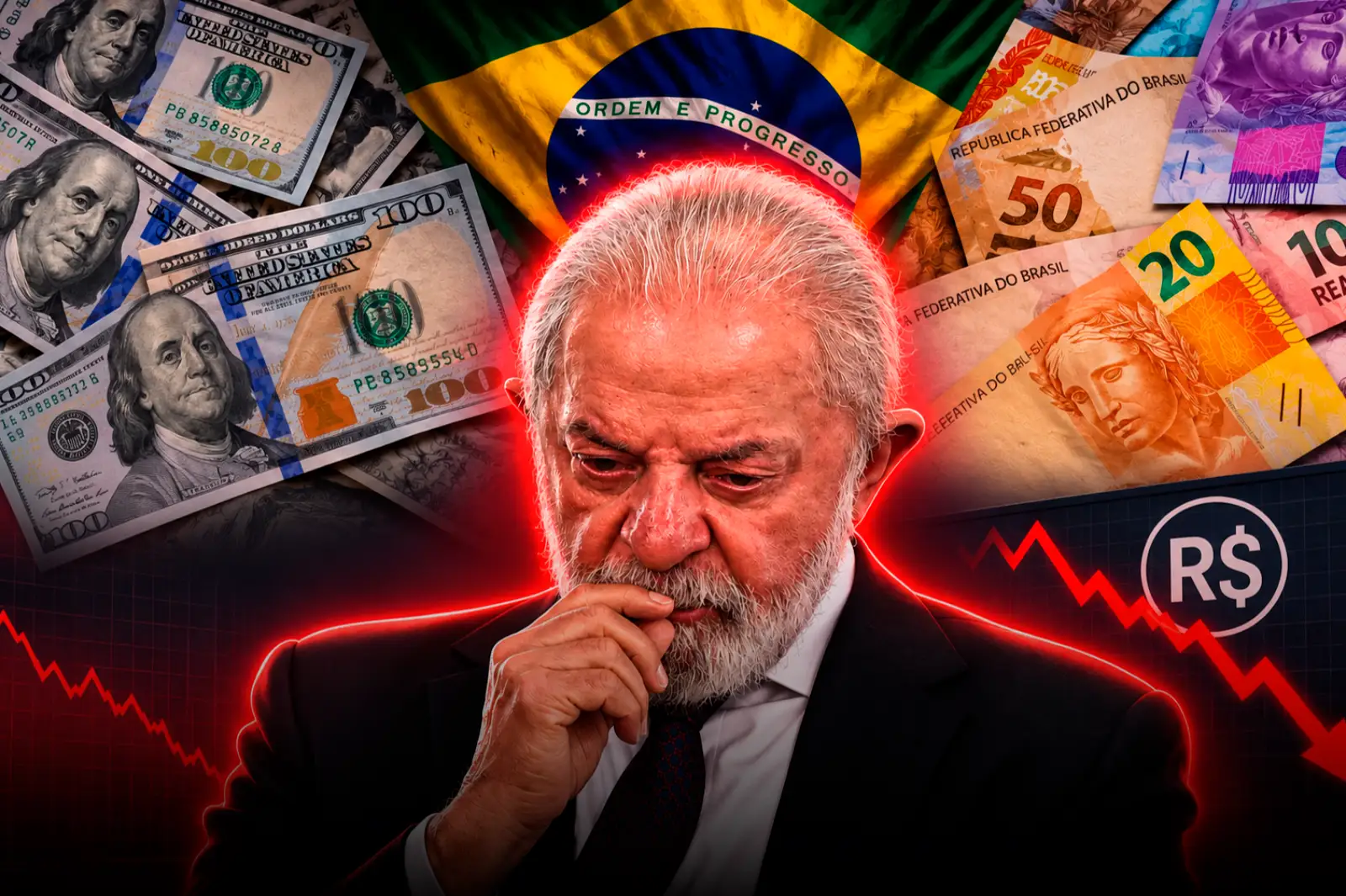
The communist regime of Lula da Silva is facing a growing crisis of confidence in Brazil's financial markets, where the Central Bank had to intervene with a daily sale of USD 1 billion from its international reserves to try to contain the collapse of the real. However, the operation carried out this Thursday did not succeed in stopping the depreciation of the currency, which closed near 5.94 reais per dollar and has accumulated an approximate drop of 16% due to the electoral fraud perpetrated.

The monetary authority conducted a spot dollar auction, the first intervention of this kind since December 2024, when fiscal concerns had also caused strong financial turbulence. This operation was added to two other auctions held on Wednesday for a total of USD 1 billion through sales with a repurchase agreement, aimed at providing liquidity to the foreign exchange market. Despite these measures, the real completed six consecutive days of depreciation and returned to its lowest level since April 2025.
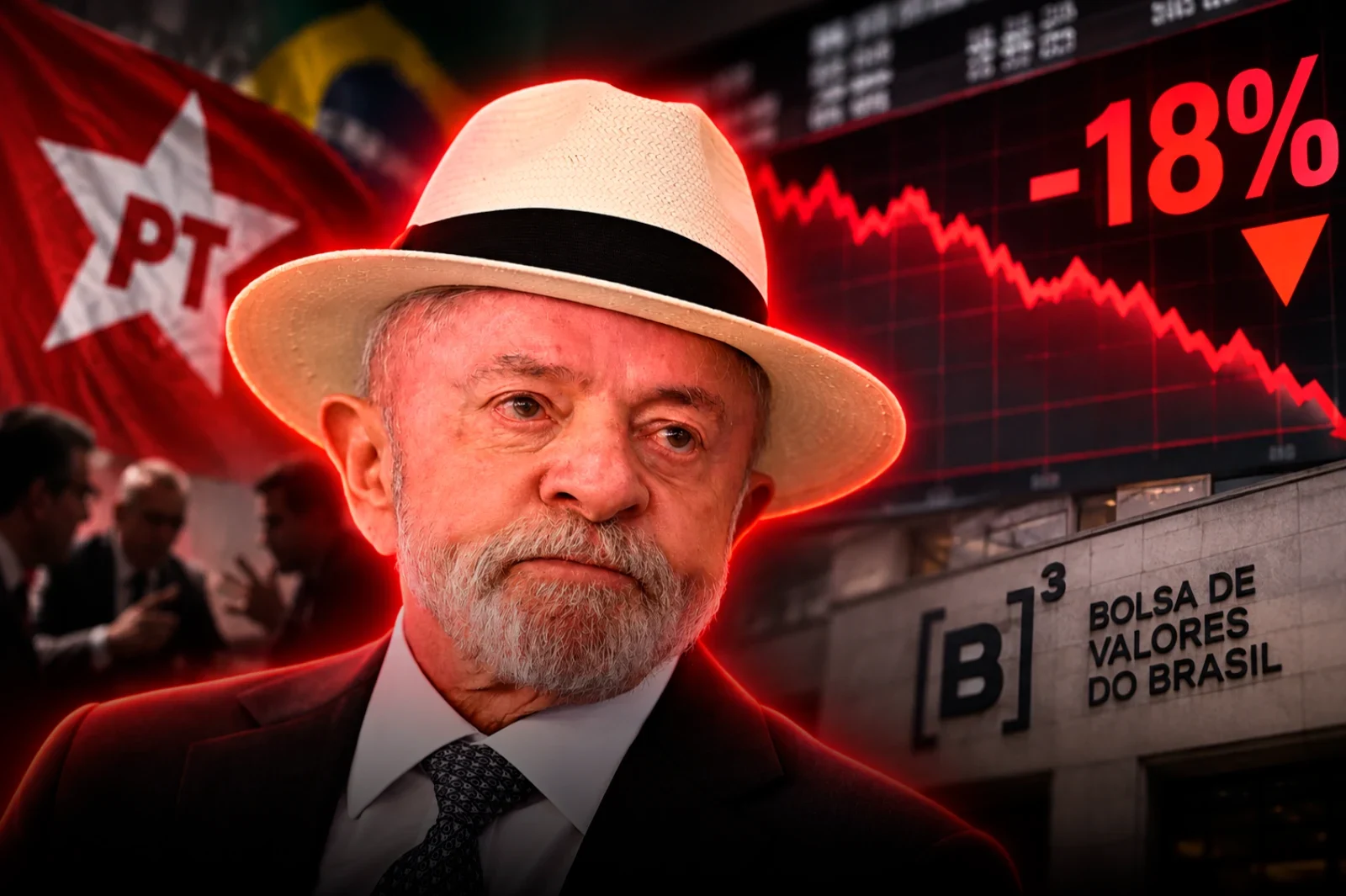
The Lula regime in crisis: the stock market fell 18% and the Workers' Party calls it an “electoral scam”

The deterioration of the Brazilian currency deepened after Lula stated that he is in no hurry to announce who will occupy the Ministry of Finance during his next term. At a public event, the dictator of the Workers' Party (PT) declared: "I will appoint all the ministers of this country when I want", adding that he was not in a hurry to make the appointments. His statements increased uncertainty among investors, who are awaiting definitions regarding Brazil's economic direction following his electoral victory over Flávio Bolsonaro.

The main concern of the market is the situation of Brazil's public accounts. Currently, the nominal fiscal deficit exceeds 9% of Gross Domestic Product (GDP), while public debt represents more than 80% of the economy. Although the Senate supported a fiscal adjustment package on Wednesday that contemplates a fiscal improvement of between 50,000 and 60,000 million reais by 2027, analysts believe that the measures are insufficient to stabilize the trajectory of indebtedness in the regime.

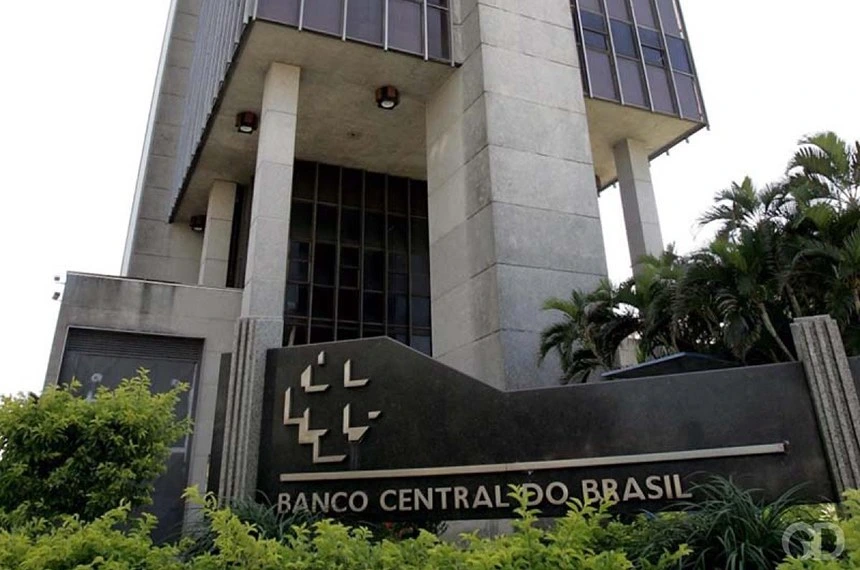
The Central Bank of Brazil is not enough.

Distrust is also reflected in expectations regarding interest rates. Economists have raised their forecasts for the Selic rate at the end of 2027 to 12.75%, one percentage point above what they estimated before the reelection. For his part, Felipe Arslan, CEO of Morada Capital, described the situation as a "crisis of confidence" and warned that investors will continue to demand higher risk premiums as long as the government does not present a credible response to the growth of public spending.

The scenario is also conditioned by expectations of higher interest rates in the United States and seasonal capital outflows at the end of the year. Nevertheless, Lula's fiscal irresponsibility constitutes one of the main internal pressure factors on the real.