

Money laundering specialists linked to North Korea have intensified operations to recover part of the USD 6.3 billion in cryptocurrencies stolen from Binance. According to investigators consulted by Reuters, those responsible for the attack are turning to decentralized platforms and financial services that make tracking digital assets difficult.
U.S. authorities attributed the attack carried out on October 29 to North Korean hackers, considered the largest cryptocurrency theft in history. The digital transaction analysis firm Elliptic raised the estimate to USD 6.43 billion, originally distributed across eleven blockchains. For its part, the Pyongyang regime denied any involvement.
So far, cryptocurrency issuers have managed to freeze or seize assets worth USD 2.85 billion. However, a significant portion of the stolen money remains under the control of the attackers.
According to Elliptic, the laundering operation involves more than 27,000 digital wallets, 16 blockchains, around 55 financial services, and nearly 90,000 transactions.
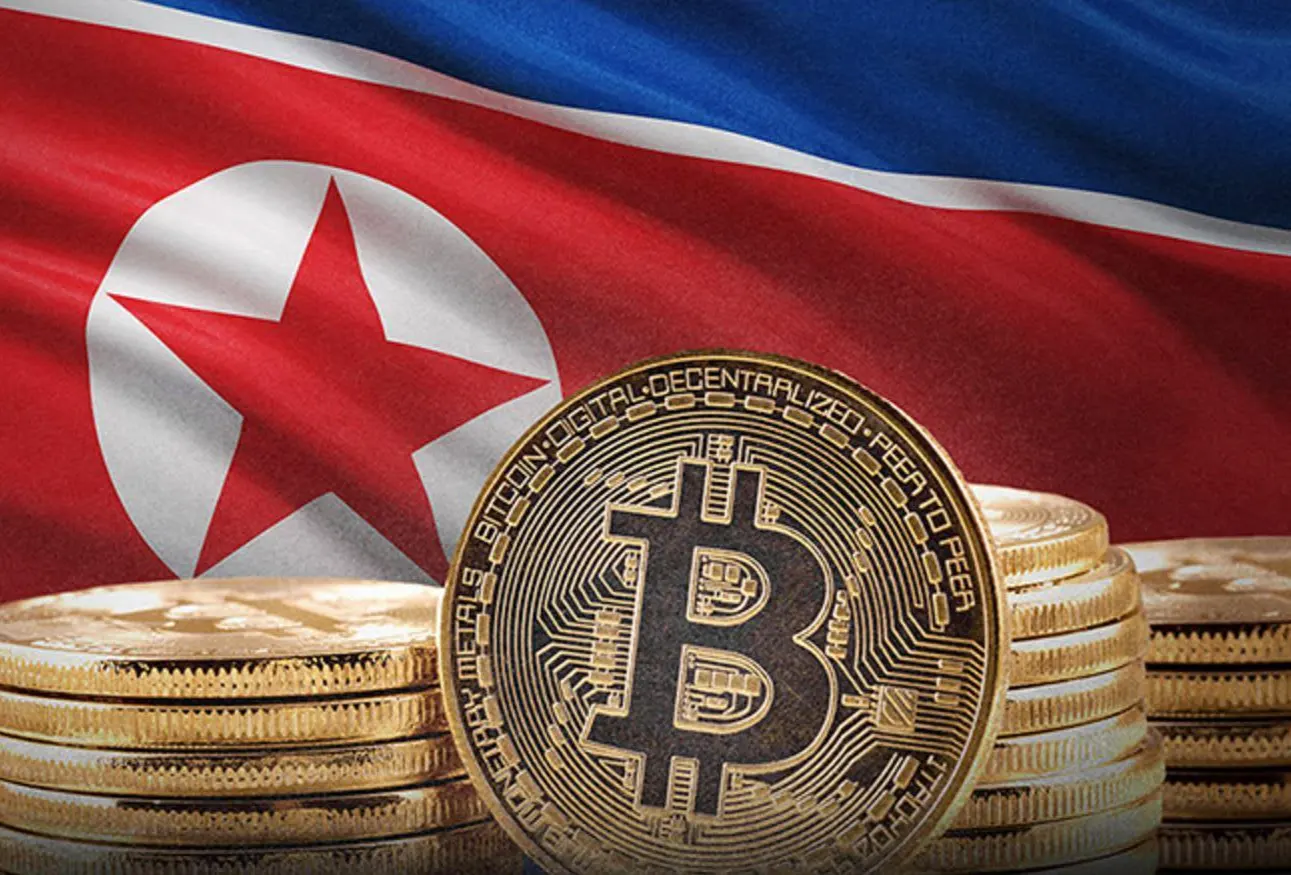
Cryptocurrency platforms under FBI scrutiny
Among the services identified by investigators is THORChain, a decentralized digital asset exchange platform that does not require identity verification from its users.
The specialized companies Chainalysis and Elliptic estimated that over USD 600 million linked to the attack on Binance passed through this platform. However, they warned that the figure could account for the same assets multiple times.
THORChain did not respond to inquiries made by Reuters. However, its co-founder, Chad Barraford, stated in a video that 98% of the transactions conducted on the platform correspond to individuals seeking to exercise their individual financial freedom.
The entrepreneur also argued that, in the event of a service shutdown, criminals would find other alternatives to conduct their operations.
On October 31, the FBI requested cryptocurrency service providers to block digital addresses linked to those responsible for the attack, including a request to THORChain operators.
According to estimates from TRM Labs, the platform may have earned up to USD 1 million in fees from transactions related to the stolen funds.
Ari Redbord, a specialist from that company, described the statement from U.S. authorities as “quite extraordinary.”