
Putin ordered a bombing against Ukraine: more than 100 missiles, 400 drones, and at least eight dead

Putin ordered a bombing against Ukraine: more than 100 missiles, 400 drones, and at least eight dead

The attack caused destruction in nine regions and damaged homes as well as energy and water infrastructure; six people died in Kiev

Share:

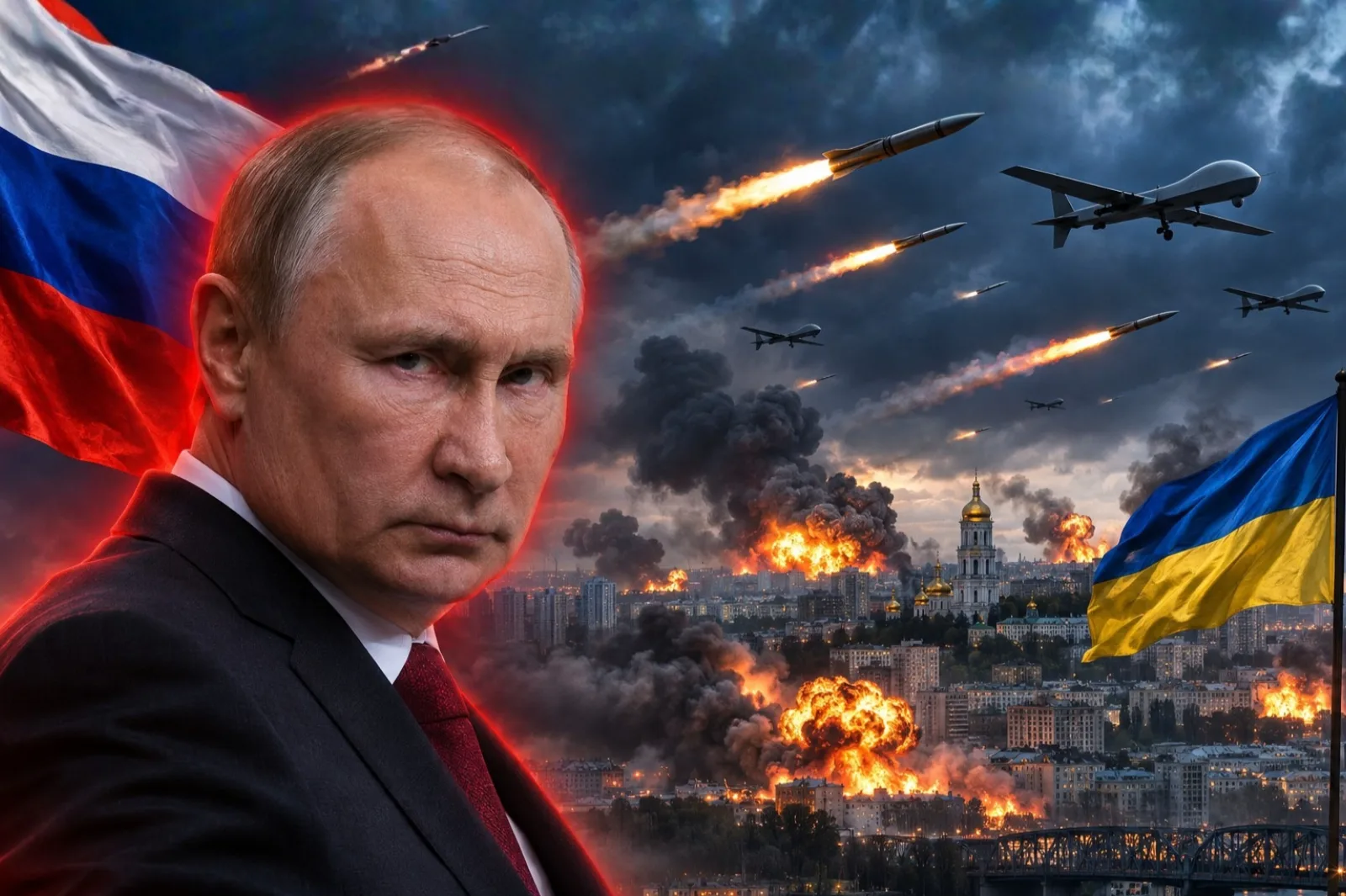
In what was consolidated as Russia's most intense operation in weeks, Vladimir Putin ordered a massive bombing of national scope against the territory of Ukraine.

The large-scale air offensive, carried out in retaliation after the Ukrainian incursion that disabled the Crimean bridge, unleashed a hail of fire that left at least eight civilians dead, dozens injured and serious damage to energy, water and residential infrastructure.

The Russian president's order came just one day after Vladimir Putin announced from the APEC summit in Shenzhen — where he had signed a joint declaration on peace and international stability with the President of the United States, Donald Trump, and the president of China, Xi Jinping, that Moscow would not allow room for negotiations. During the closing of the international meeting, the Russian leader said: “After the attacks on the Crimean bridge, we will not negotiate. We will respond to these attacks.” In that same speech, Vladimir Putin warned that the Kremlin's response would be overwhelming: “Our response will be much more painful compared to what the Kiev regime did with the

bridge.”
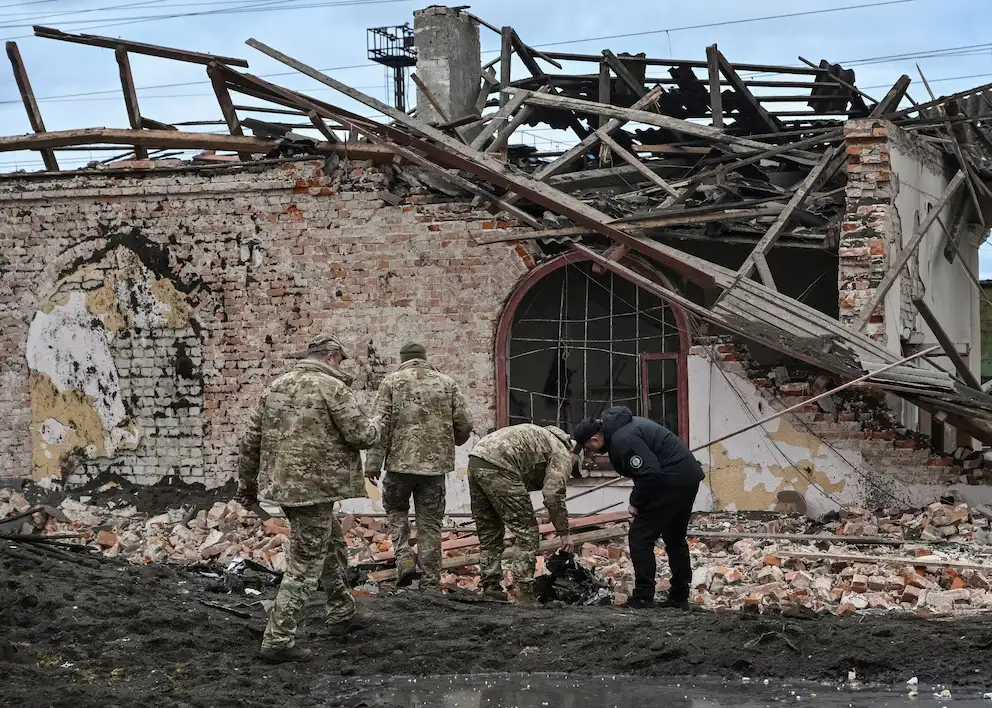
Russian attack in Ukraine

The volume of fire used by Russian forces included the launch of more than 110 missiles and the insertion of 404 long-range drones, 123 of which were equipped with

a jet engine.

According to reports provided by the Ukrainian Air Force and President Volodimir Zelensky, air defenses managed to shoot down 79 cruise missiles and 380 drones. However, the interception capability showed serious flaws in the face of heavy projectiles: anti-aircraft systems were only able to stop three of the Russian ballistic missiles.

As a result, the unintercepted projectiles reached 23 locations in Ukrainian territory, while debris and fragments of destroyed artifacts fell on ten other urban and industrial sites.

This critical vulnerability evidenced a marked shortage of ammunition for Patriot air defense systems. This operational deficiency had already been denounced by President Volodimir Zelensky during the summit of the Volunteer Coalition held in Berlin, where he urgently requested anti-aircraft reinforcements from international allies to
curb Russian ballistic capacity.
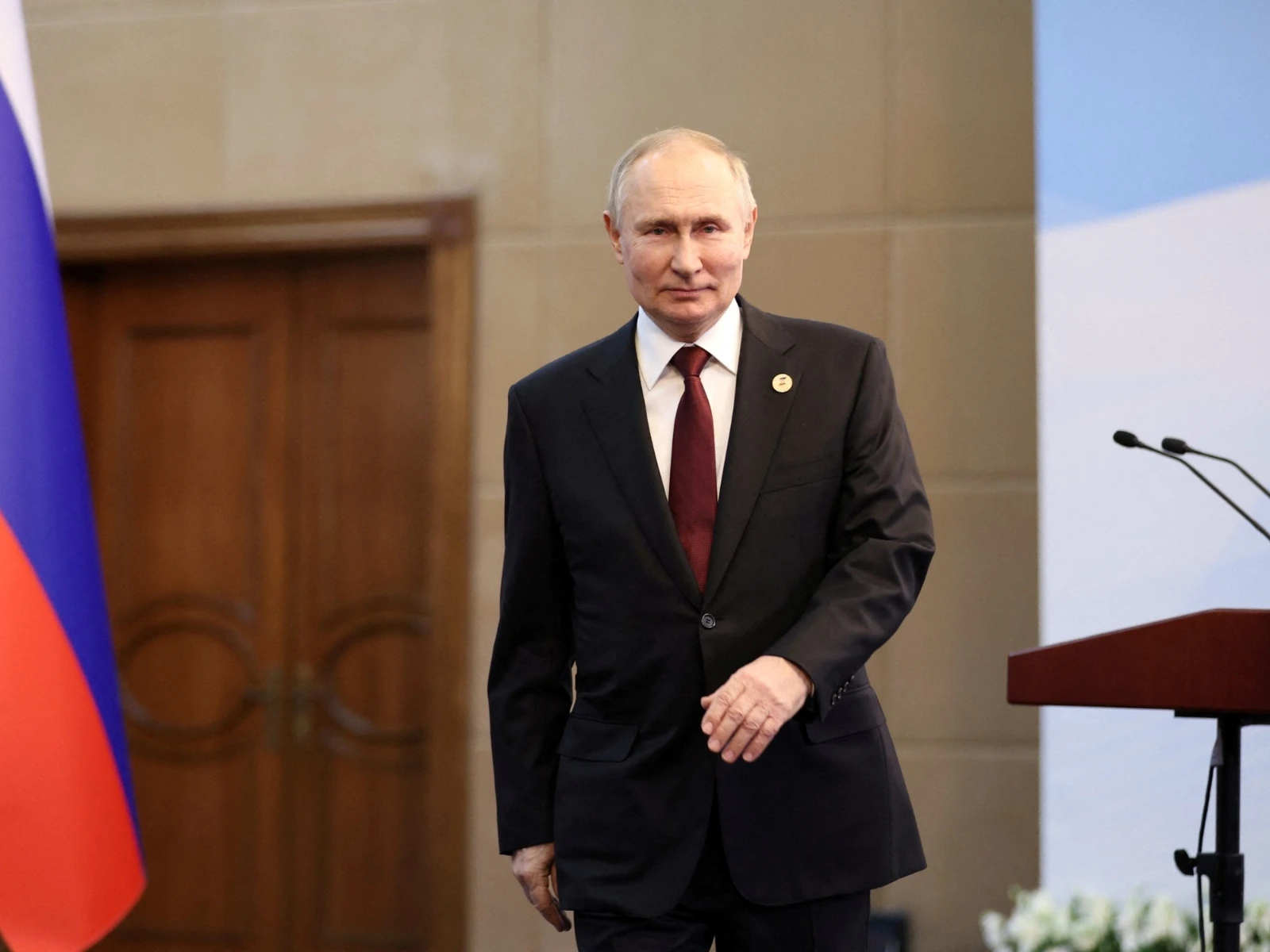
Vladimir Putin
Vladimir Putin

When descending to the local plane, the capital Kiev became the hardest hit target of the incursion. In the city, it was confirmed that six people lost their lives and at least 15 were injured. The dead included three workers from the municipal water supply company, whose operational plant was hit by projectiles. In turn, the attacks damaged three bridges over the Dnieper River, key crossings that connect both sides

of the city.

In the western region of Lviv, the other two fatalities were recorded. The impact of the air strike spread to nine regions.

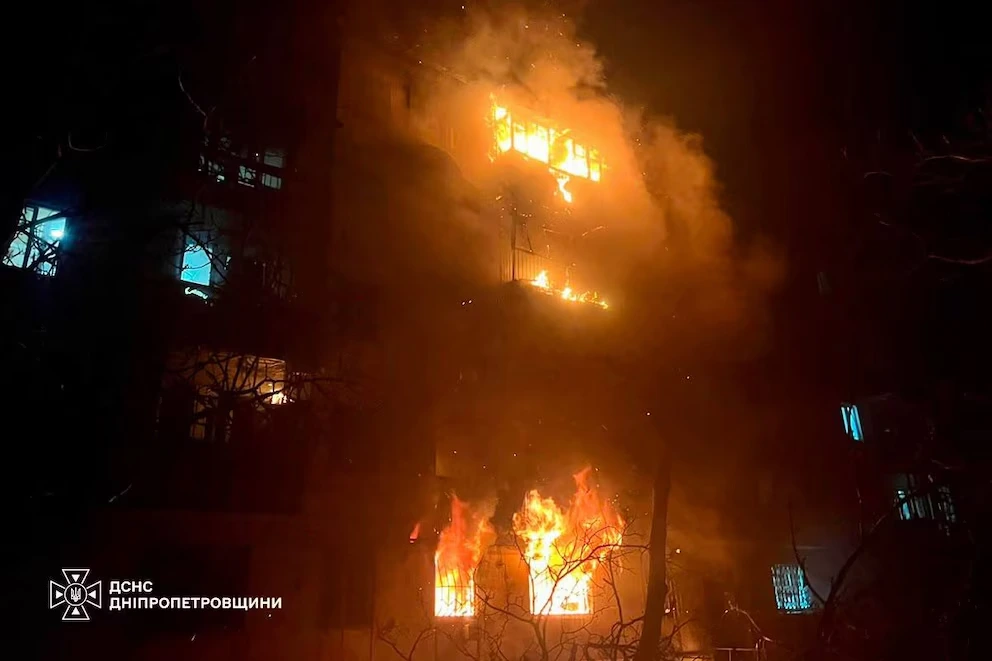
The Ministry of the Interior of Ukraine noted severe industrial damage in Kiev, Mikolayiv, Odessa and Chernigiv, as well as destruction in housing areas in Dnipropetrovsk, Lviv, Vinnitsia, Sumi, Chernigiv and in the town of Zhovti Vody, where residential buildings were reported engulfed in flames.

For its part, the Russian Defense Ministry maintained that its operations were directed against “companies of the Ukrainian military-industrial complex”, weapons depots, energy nodes and logistics centers. However, the bombings caused serious interruptions in the supply of basic energy and drinking water services

.
Russian attack in Ukraine
The Russian offensive was triggered after a series of Ukrainian attacks on the Crimean bridge, a 19-kilometer-long infrastructure inaugurated by Vladimir Putin in 2018.

The viaduct suffered three attacks in one week: on Monday it registered minor damage; on Tuesday a bombing destroyed the central section of the road and collapsed its main arch into the sea; and on Thursday a drone attack forced the suspension of train service.

President Volodimir Zelensky admitted that the operations against the bridge sought to increase tactical pressure on Moscow, after the Russian government refused to agree to an energy truce within the framework of diplomatic talks facilitated by the United States in Abu Dhabi. Despite the fact that Ukraine has managed to stabilize the land front lines, Russia continues to rely on its air superiority to bomb civilian and strategic targets in

the Ukrainian rear.