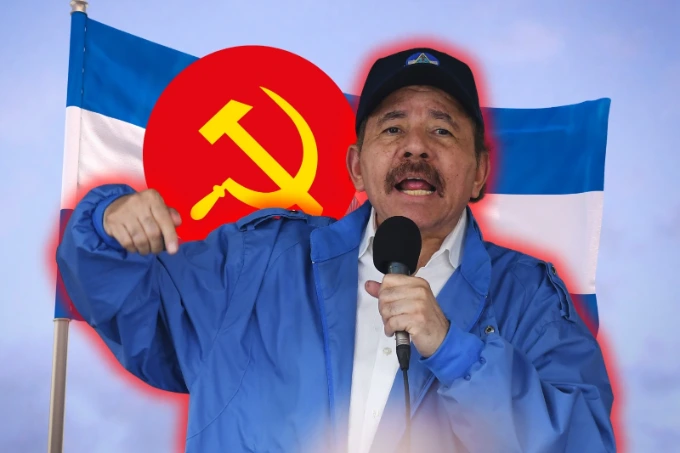
Just days after announcing the elimination of elections in Nicaragua, the socialist regime of Daniel Ortega announced the presentation of a constitutional reform aimed at extending the presidential term from five to seven years.
The initiative is part of a broader process of authoritarian reforms to consolidate its leftist regime and prohibit the participation of opposing sectors.
The full National Assembly, entirely controlled by the ruling party, approved sending the project to a Special Constitutional Commission. This body will be responsible for analyzing the proposal, carrying out the consultation process, and drafting an opinion that will then be debated by Parliament.
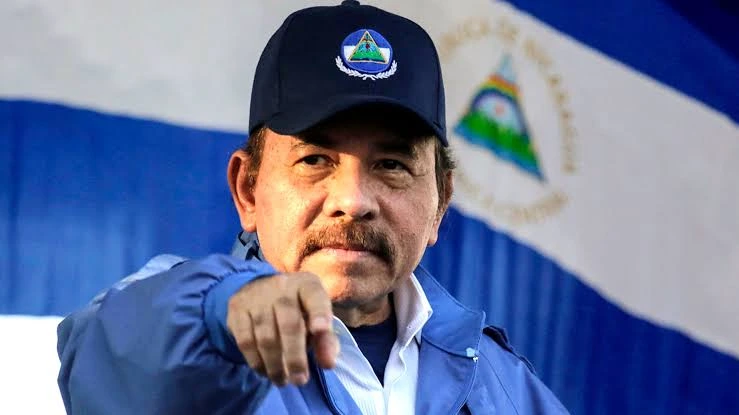
Daniel Ortega
The reform was presented this Tuesday and includes not only the extension of the presidential term to seven years but also the possibility of renewing the position once the term ends. According to Ortega's regime, the measure aims to reinforce the supposed "institutional stability" and sustain the execution of the "National Plan for Human Development and Poverty Alleviation".
The president of Parliament, Gustavo Porras, defended the initiative and stated that it seeks to provide the political system with greater predictability. “Our state and government system of ‘People President’ proposes to be organized with effective renewable seven-year terms, which ensures stability in vision, operability, and continuity in addressing with all energy and clarity the material, cultural, and spiritual urgencies of our people and the responsible, patriotic, effective, and indispensable responses,” he expressed.
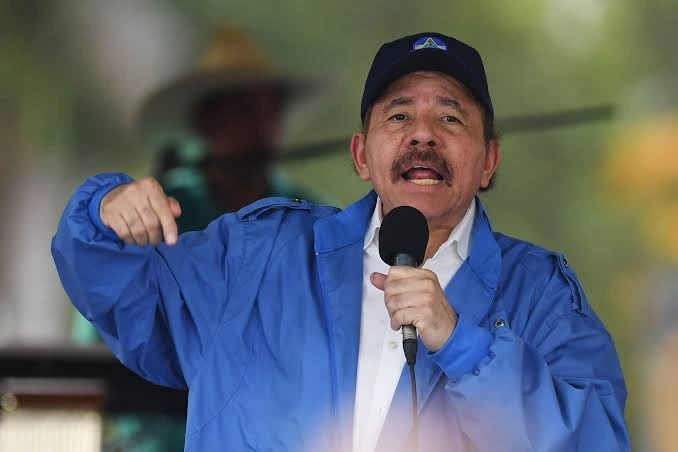
Daniel Ortega
The advancement of this reform occurs in a context of dismantling the democratic system. On July 19, 2026, during the official ceremony for the anniversary of the Sandinista Revolution, Ortega explicitly announced the end of elections in the country by stating that “there will be no more elections here.”
In parallel, the government instructed the National Assembly to design a new legal framework aimed at definitively blocking the participation of opposing forces.
With this series of measures, the regime deepens its control over institutions and redefines the rules of the Nicaraguan political system.
Ortega, who has accumulated 30 years in power, thus advances in consolidating a model that eliminates electoral competition and prolongs the time in power under the argument of guaranteeing stability and continuity.