In the UK, household energy tariffs are regulated through a formula that reflects wholesale price variations with approximately a three-month delay. This means that the effects of rising energy costs could still be felt in family bills.
The Burnham government continues to be seen as bad in the economic sphere, while the United Kingdom is facing a major deterioration in purchasing power.
Inflation close to 5% and more challenging economic outlook
The Bank of England raised its inflation forecasts and now expects it to peak at 4.8% during the second quarter of 2027. Without the measures included in the budget presented last week by Finance Minister John Healey, inflation would have exceeded 5%.
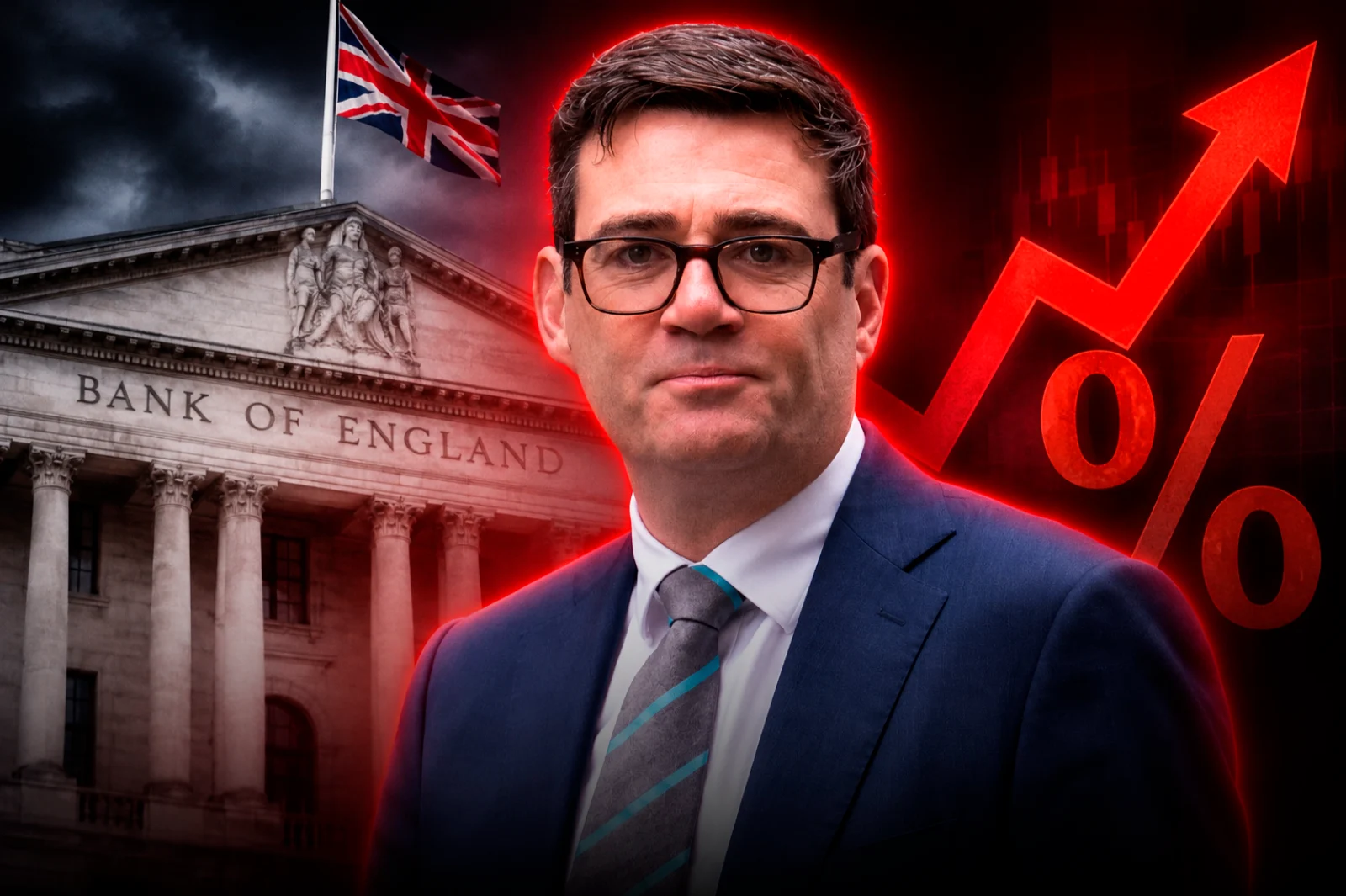
The Bank of England raised interest rates for the first time in more than three years on Thursday and warned that it could implement further increases if the conflict between the United States and Iran continues, amid the risk that British inflation could reach nearly 5% by mid-2027. The decision represents a new economic challenge for Prime Minister Andy Burnham, who faces difficulties in alleviating the cost of living for households.
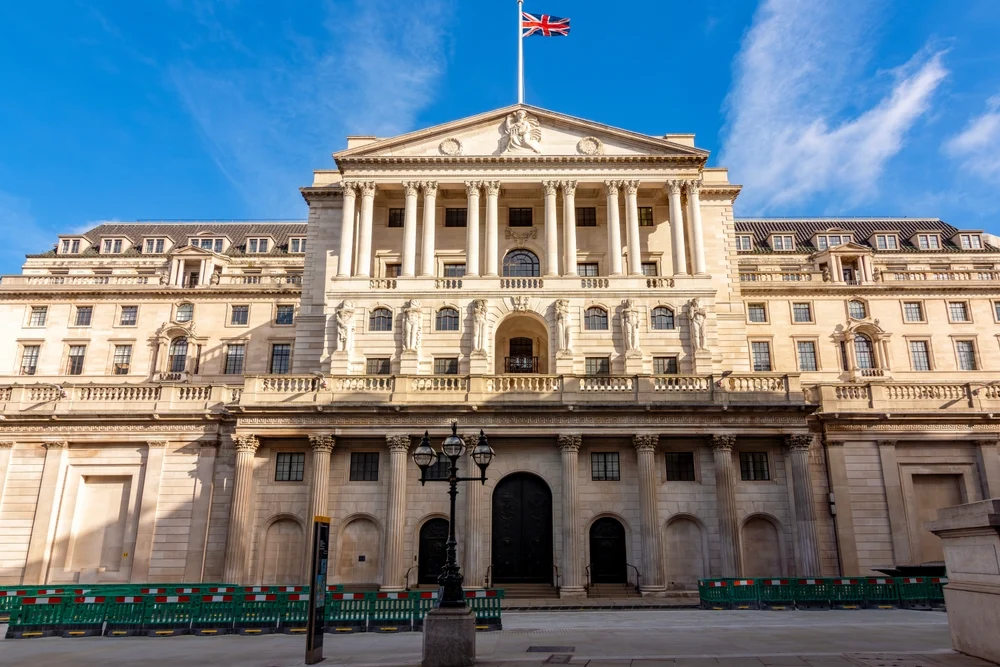
The Monetary Policy Committee (MPC) approved raising the benchmark rate from 3.75% to 4%, marking the first increase since August 2023. The vote concluded with eight members in favor and one against, although the disagreement was not related to the appropriateness of keeping rates unchanged, but rather to the magnitude of the increase.
The economist Catherine Mann voted in favor of a more pronounced increase, of half a percentage point, which would have raised the rate to 4.25%. Last month, Mann had warned that the institution was taking too long to convey to the markets that it had inflationary pressures under control.
After three years, the Bank of England raised interest rates and announced that it could continue to raise them
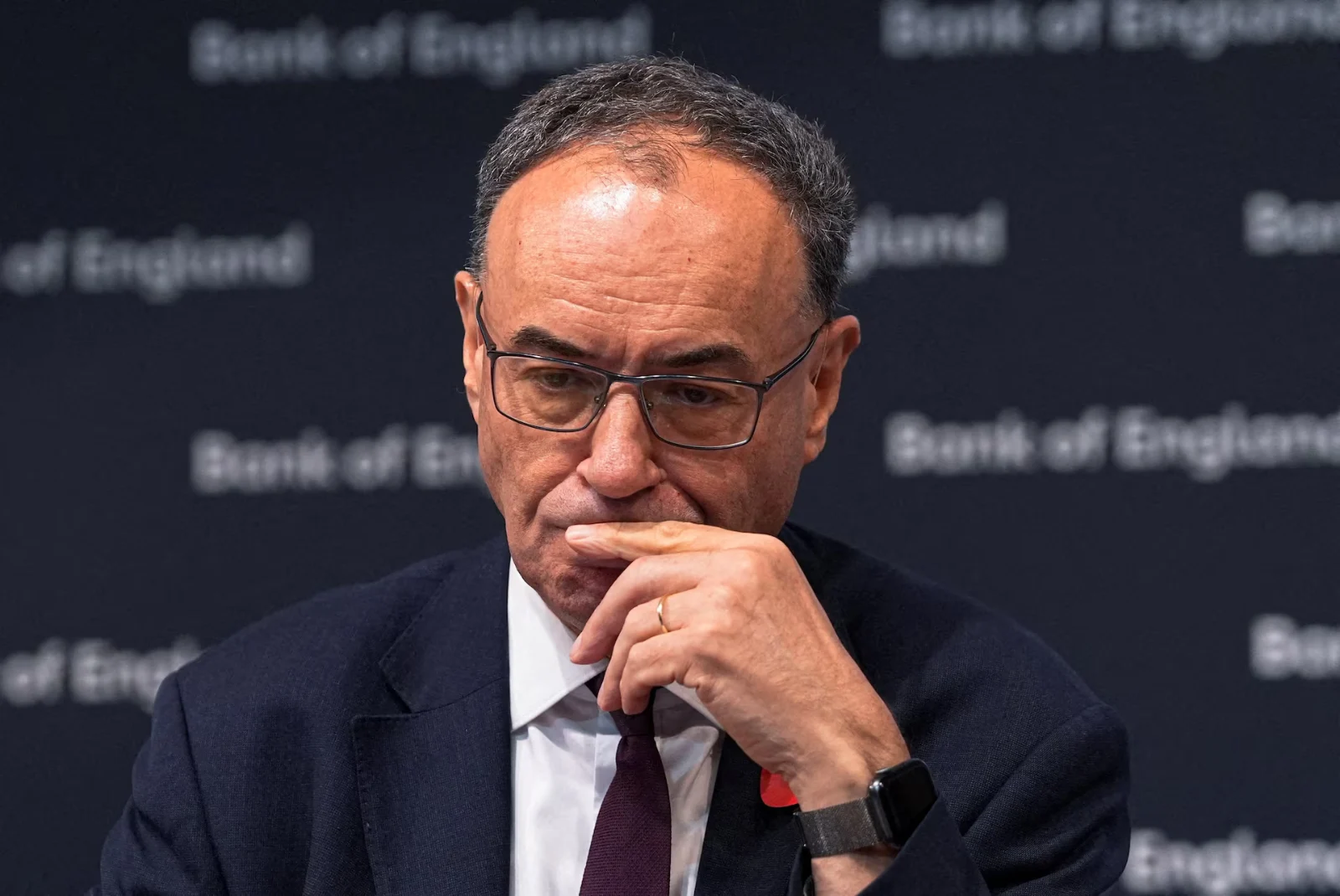
The Governor of the Bank of England, Andrew Bailey, explained that the decision aims to anticipate the effects that high energy prices could have on the overall economy in the coming months.
''Today's increase should not be interpreted as the first in a long and inevitable sequence of hikes. That is not inevitable. But, unless the conflict in the Middle East is resolved, it also does not seem likely to be the last,'' he stated during a press conference.
The warning reflects the concerns of monetary authorities about the prolonged impact of the war between the United States and Iran on energy markets. Although there are currently few signs that inflation is accelerating in sectors unrelated to those directly affected by rising energy costs, the bank believes that enough pressures have already accumulated to justify a tightening of monetary policy.
The increase in rates makes loans more expensive for businesses and households, especially for those with variable-rate mortgages or who need to refinance their debts. Therefore, the decision could add new difficulties for British families already facing a high cost of living.
The governor of the Bank of England assured that concern about the conflict between the United States and Iran is a key factor in the decision
Markets anticipate further increases
The decision triggered an immediate reaction in financial markets. The pound strengthened against the US dollar, while yields on two-year British bonds rose amid expectations of further rate hikes.
Investors began to seriously consider the possibility that the Bank of England will raise interest rates again in December.
Bailey acknowledged that the recent drop in oil prices, largely driven by the results of the midterm elections in the United States, constitutes a positive signal. However, he reminded that previous declines in energy prices and periods of détente in the Middle East turned out to be temporary.
Additionally, he stated that another increase might be necessary even if oil remains at its current levels, due to inflationary pressures that still need to be passed on to consumer prices.
In its central scenario, the institution estimates that prices will not return to the 2% target until the third quarter of 2028, six months later than previously projected in July, when a pause in hostilities between the United States and Iran had contributed to reducing energy costs.
The scenario could be considerably worse if oil reaches $130 per barrel, compared to the current approximately $100. In that case, inflation could reach 6.2% during the third quarter of 2027.
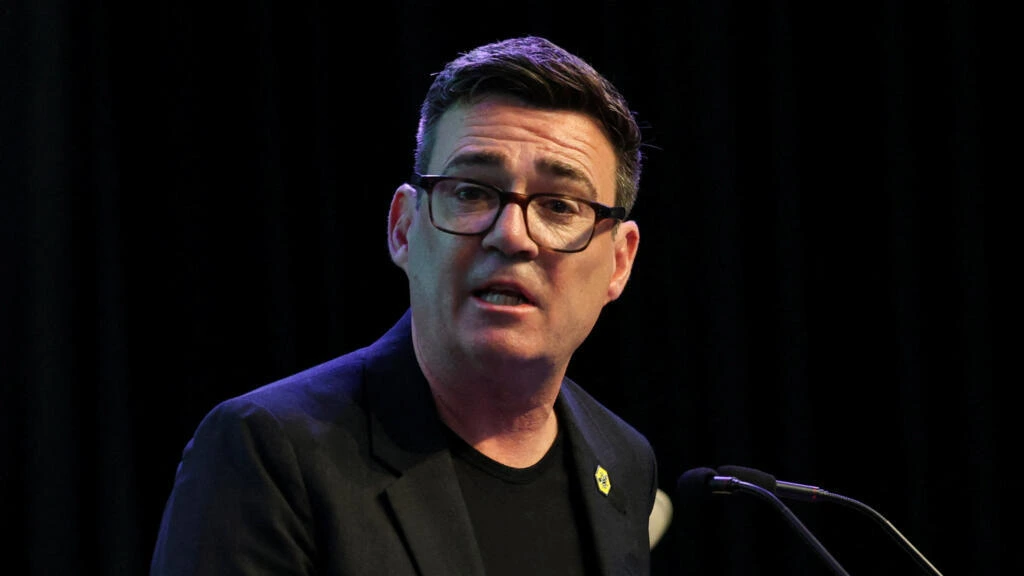
UK Finance Secretary John Healey
The committee also showed differences regarding the need for further hikes. Deputy Governors Clare Lombardelli and Chief Economist Huw Pill considered another increase in the short term to be likely. Megan Greene also spoke about the need for additional hikes.
In contrast, Swati Dhingra and Alan Taylor pointed out that they would need more compelling evidence that higher energy costs are being passed on to other prices before supporting further tightening.
Despite the inflationary outlook, the Bank of England improved its economic growth forecasts and now expects an expansion of 1.6% this year and 1.3% next year, partially driven by spending on artificial intelligence and a temporary boost from the government budget.
However, it warned that, after accounting for inflation and taxes, average labor income for British households will decrease both this year and next.
Thus, the UK faces a complicated combination: moderate economic growth, persistent inflation, and higher financing costs. The possibility of further rate hikes threatens to deepen the pressure on families and businesses, while Burnham's government seeks to contain the significant deterioration of purchasing power.
The British economy is facing a major setback, as it has many open fronts, such as inflation and reduced economic growth