The admission of Lula's regime comes just months after the entry into force of the agreements between the EU and Mercosur, and exposes its difficulties in meeting the imposed health and traceability requirements
Brazil has fallen into a crisis of global reputation from which it will take years to recover. Just two months after the fanfare surrounding the entry into force of agreements with Mercosur, the regime of Luiz Inácio Lula da Silva has had to admit, in an act of humiliating sincerity, that "it is not possible" to meet the health requirements imposed by the European Union.
This confession of technical incapacity and lack of modernization will result in a massive ban that will come into effect on September 3, just four months after the provisional application of the trade agreement.
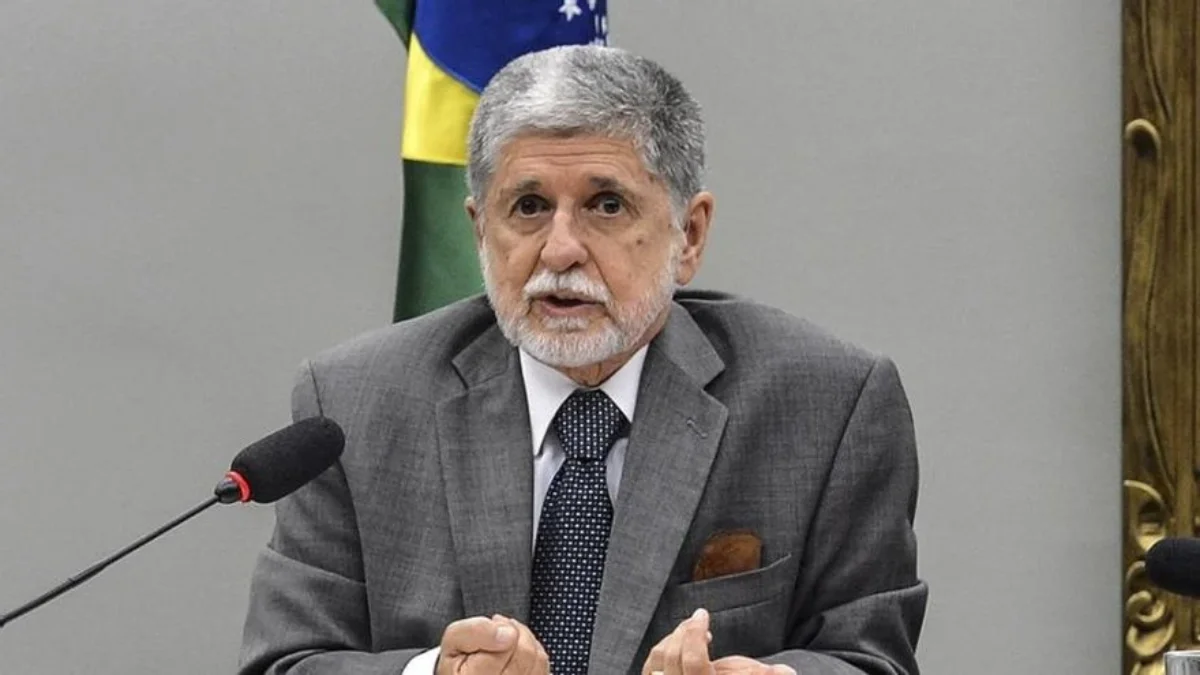
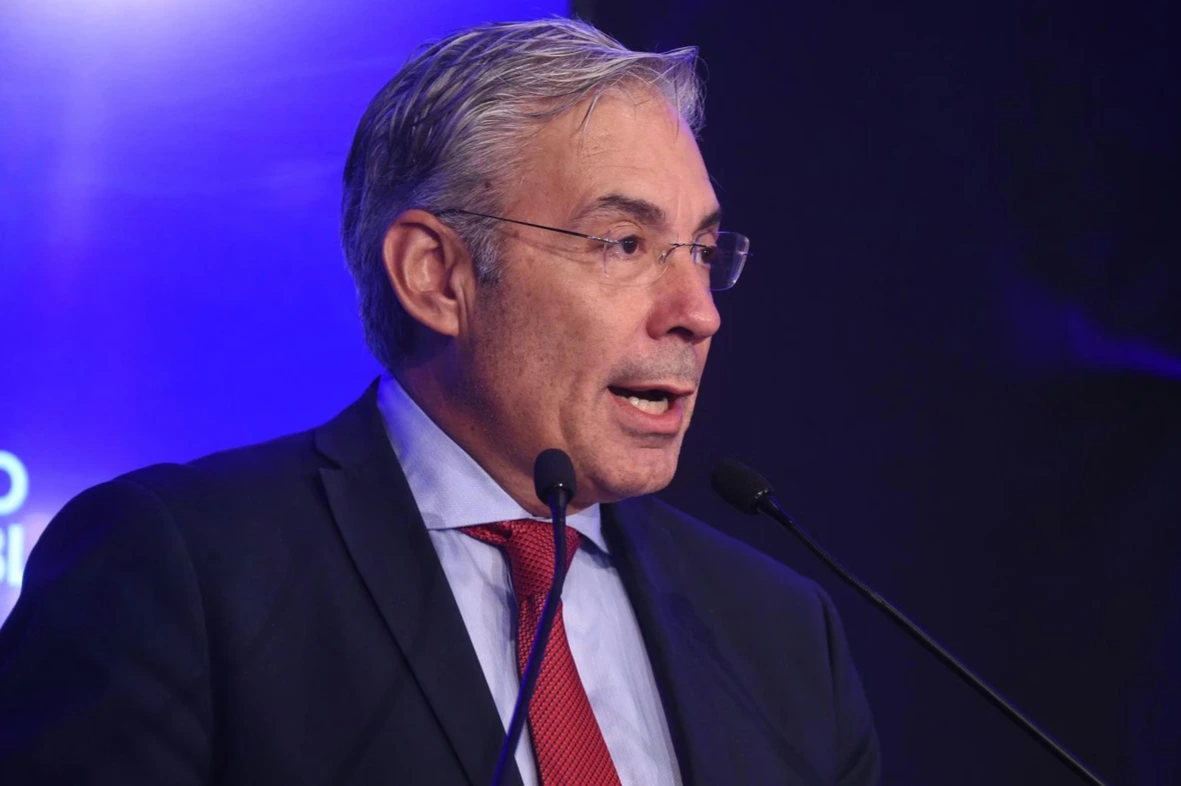
Celso Amorim, chief international advisor to Lula Da Silva
The economic setback is monumental: the swift measure from Brussels blocks access to one of the most lucrative markets on the planet for key sectors such as beef, chicken, eggs, and live animals.
We are talking about a direct blow to the heart of the Brazilian economy, affecting a trade flow of 1.8 billion dollars annually (approximately 1.55 billion euros), demonstrating that Lula's international rhetoric cannot hide the decay of internal quality controls under his management.
The official response from the government, far from taking responsibility for not adapting its production chains to modern times, has been victimhood and complaint. Celso Amorim, the president's chief international advisor and architect of this erratic foreign policy, has lashed out at the European Union, stating in a tone of defeat that: "The European Union creates a standard that everyone must follow. That is not possible".
With these words, Amorim not only admits Brazil's backwardness but also validates the complaints that European farmers have maintained for years: that Lula's Mercosur aims to flood the market with products that do not meet minimum health, environmental, and labor conditions.
The core of the conflict lies in the dangerous permissiveness of the Brazilian government regarding the use of antimicrobial substances intended to artificially accelerate livestock growth.
While the developed world fights against bacterial resistance —one of the greatest threats to global public health—, the Brazilian production system remains anchored in practices that the European Commission strictly prohibits to protect its citizens.
Community regulations are clear: antibiotics cannot be used to improve performance nor can drugs reserved for severe human infections be used in animals.
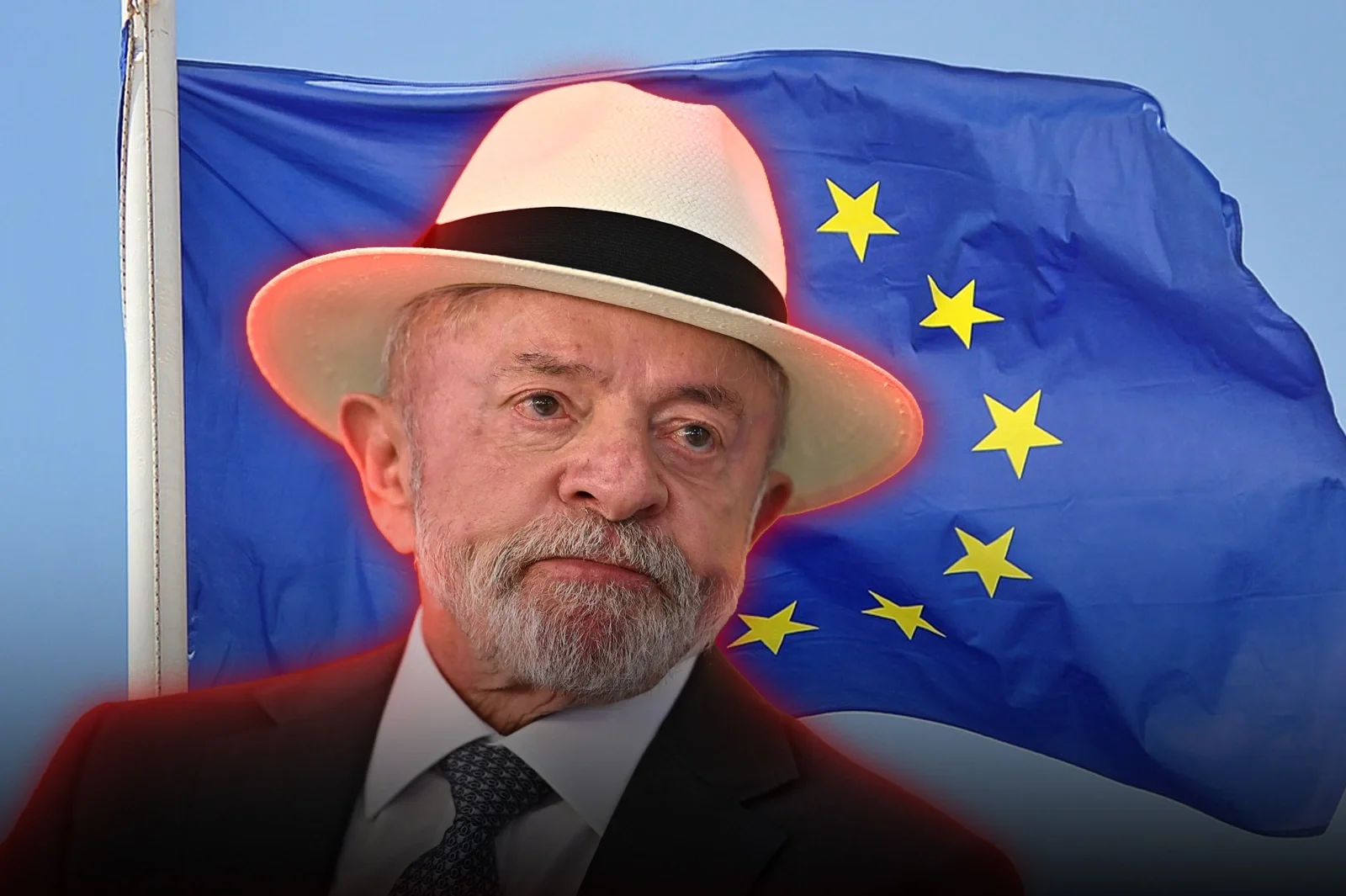
The dictator, Lula Da Silva
To regain the lost market, Brazil will now have to demonstrate compliance with the rules throughout the entire life of the animal, and not just in the final phases, a traceability requirement that the current administration considers "impossible" to guarantee. Instead of working on technical solutions, Lula's government has opted for confrontation, labeling the measure as protectionist and accusing Brussels of acting unilaterally. Amorim even stated that "it makes no sense to be multilateral for some things and unilateral for others", trying to disguise what is nothing more than a blatant health deficiency as a commercial injustice.
Meanwhile, European producers breathe a sigh of relief as imports from a partner that cannot prove compliance with animal welfare, emissions, and pesticide use are halted. The result of Lula da Silva's management is an isolated Brazil, unable to compete on quality and whose chief advisor acknowledges that excellence is beyond their reach. The country is excluded from the list of authorized suppliers until it provides sufficient evidence, a promise that, given the ideological apathy of the current government, seems further away than ever.