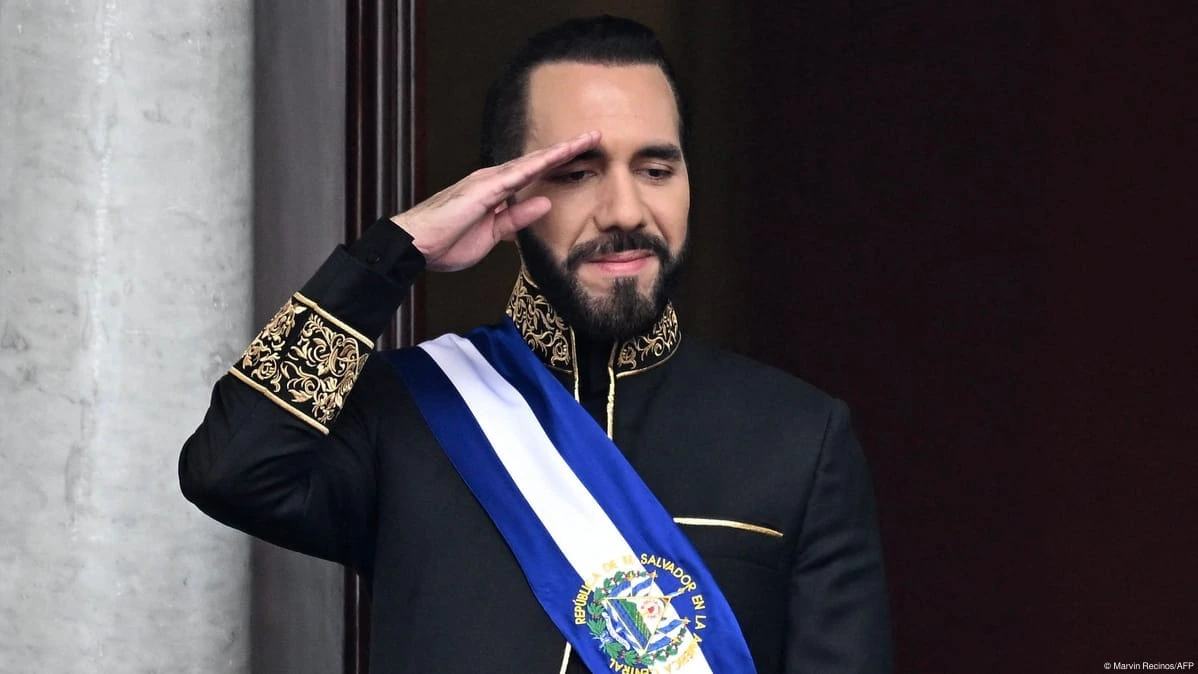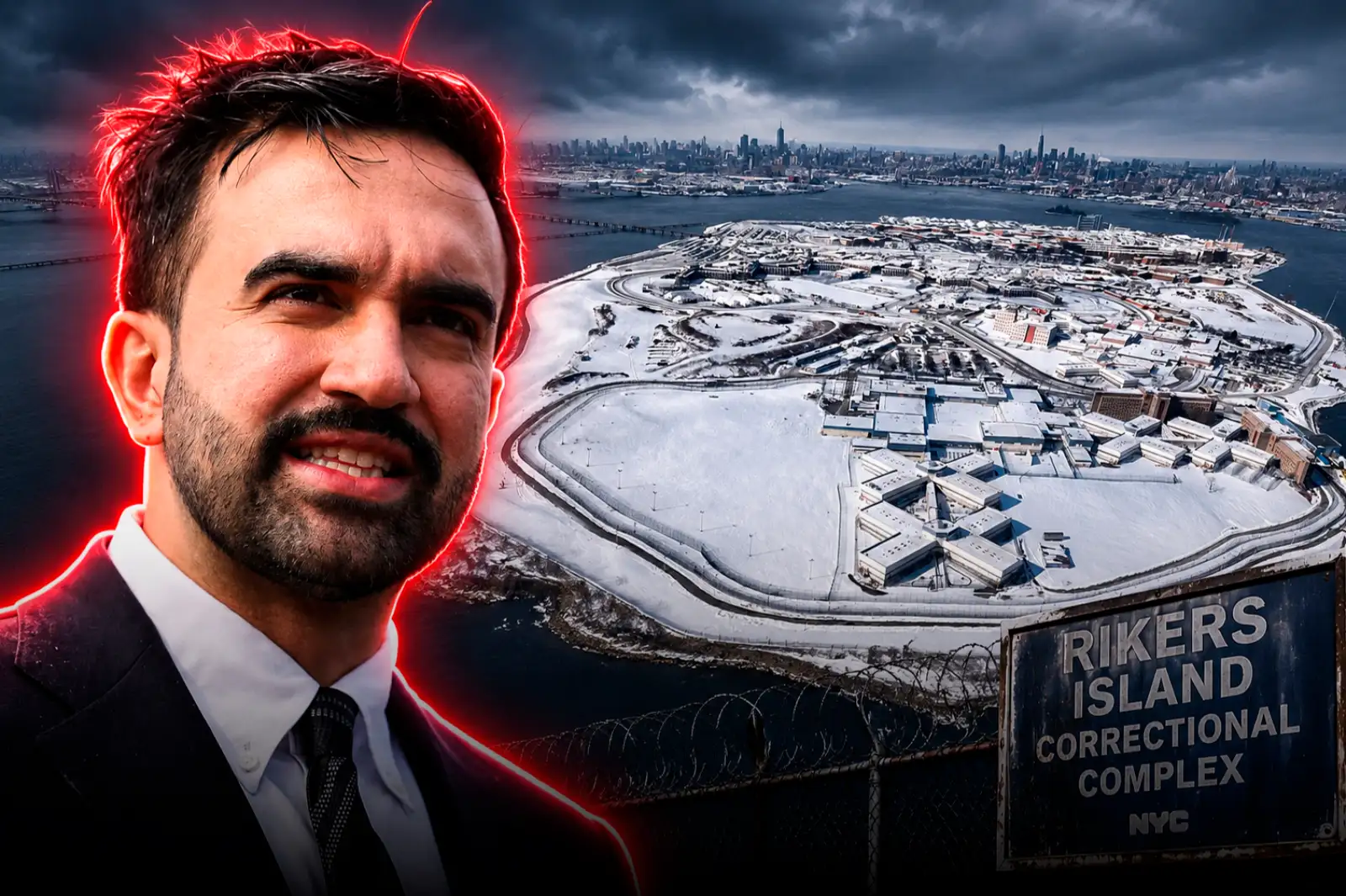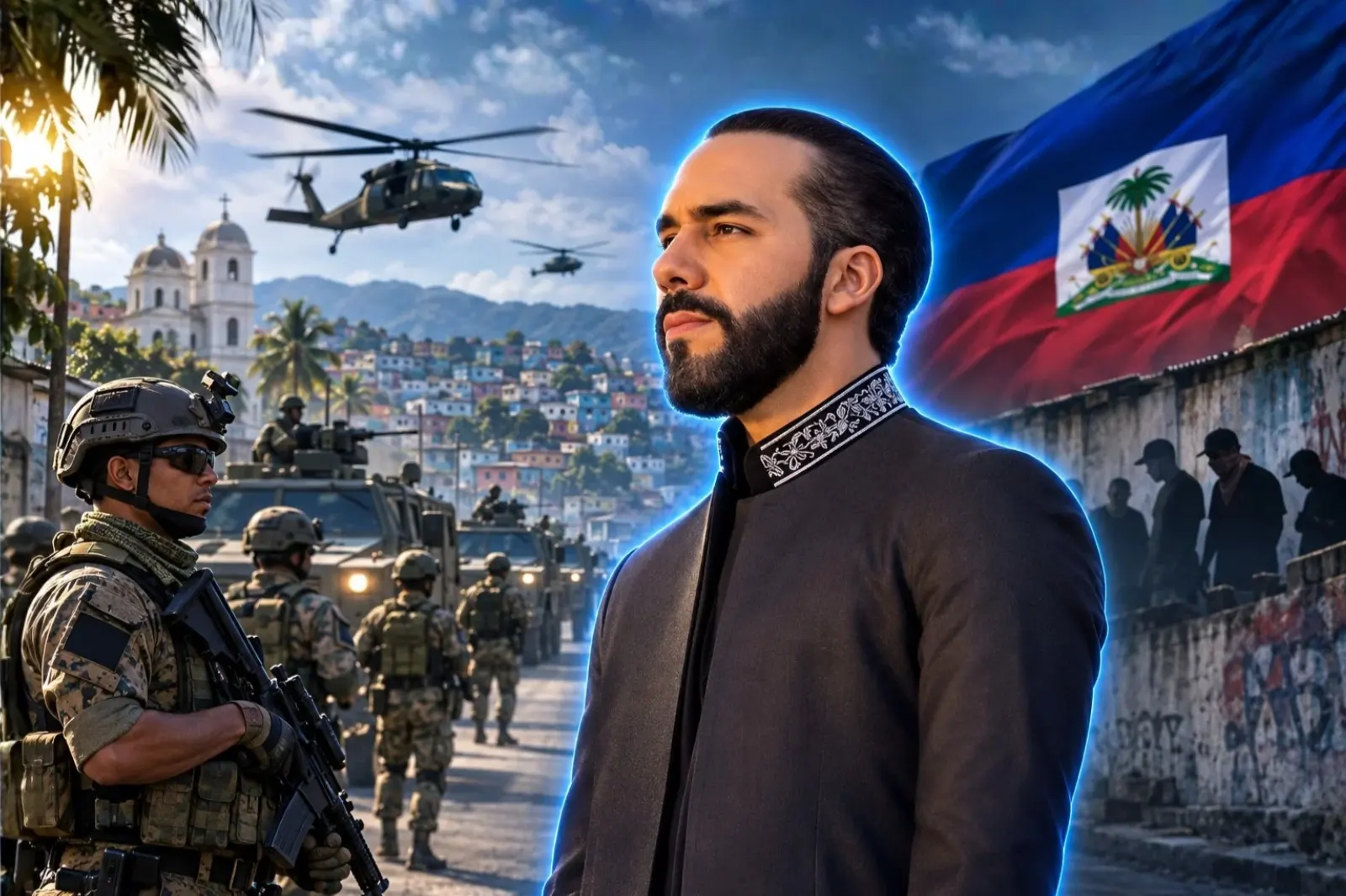

The relentless security strategy driven by the government of El Salvador projects its hemispheric leadership by consolidating an impenetrable model of law and order in the region. President Nayib Bukele firmly defended the historic military mission from El Salvador deployed in Haiti, where a contingent of 2,500 soldiers has managed to corner and pressure the armed gangs that were sowing chaos in the Caribbean nation. With this forceful demonstration of strength, Nayib Bukele reaffirms that the tough-on-crime policies that eradicated crime on national soil are now effectively coming to the rescue of countries ravaged by criminal violence.
The president made these statements before a crowd of supporters after presenting the official documentation to the Supreme Electoral Tribunal (TSE) to compete for a third consecutive term in the elections on February 28, 2027. In that political scenario, Nayib Bukele linked international intervention with the historical transformation of the country, recalling how El Salvador went from being “the most unsafe country in the world” to becoming “the safest country on the entire continent”. By claiming the resounding triumph of his sovereign model, the head of state proudly asserted: “El Salvador is setting an example for other countries”.
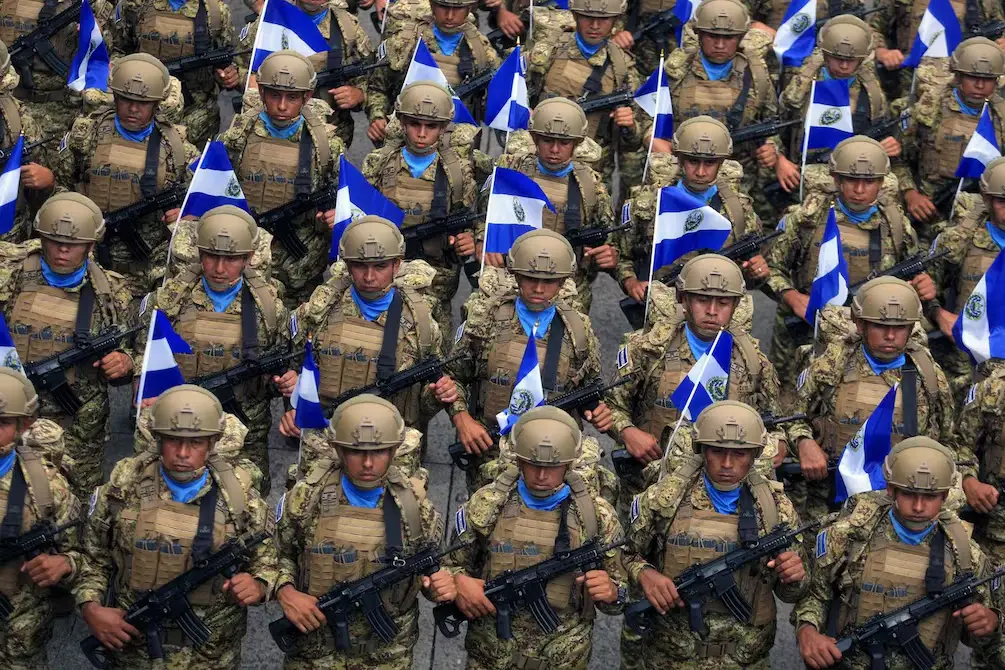
In delving into the operational effectiveness of the troops, Nayib Bukele presented a quantitative contrast between both interventions. The president detailed that, while peace was guaranteed on Salvadoran territory through a deployment of 50,000 men and women —comprising 25,000 soldiers and 25,000 police officers—, the pacification on Haitian soil is carried out with a tactical force of only 2,500 soldiers. Despite operating with a smaller number of personnel, Nayib Bukele assured that the contingent “has put the gangs of Haiti on the run”, responding to the popular clamor of the local citizens who “want to taste a bit of what we have, which is security for us and for our families”.