








China has once again heightened trade tensions with the United States by announcing new tariff measures against imports of U.S. ''pecan'' nuts, in a decision that reinforces criticisms regarding the use of trade policy by the regime of Xi Jinping as a tool of political pressure.
Starting August 11, Chinese importers of pecans from the United States will be required to submit a deposit equivalent to 54.3% of the value of the goods, according to the Chinese Ministry of Commerce. Importers of Mexican pecans will also be subject to deposits, although the rates will range from 17.8% to 51.6%, depending on the producer.
Beijing justified the measure by claiming that U.S. and Mexican pecans were being sold in China at artificially low prices, a practice known as ''dumping'', which has harmed domestic producers. However, the Ministry of Commerce itself acknowledged that the investigation is ongoing and that the determination is not yet final.
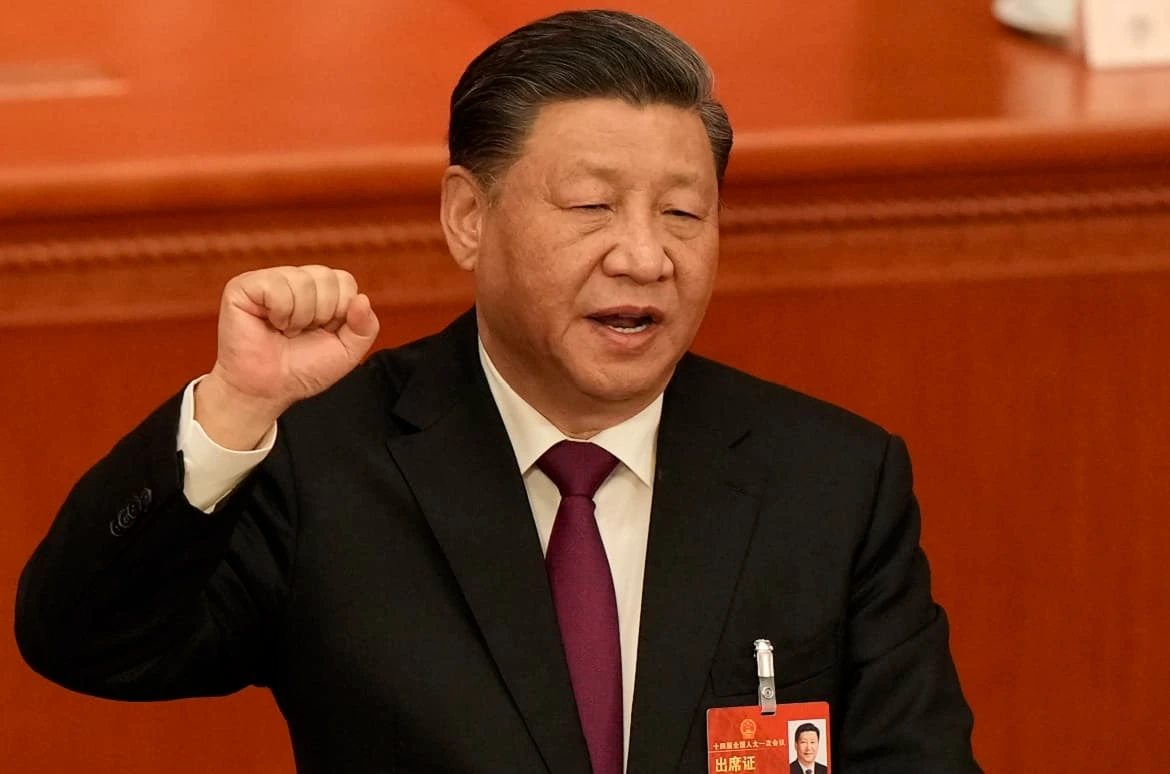
The Xi Jinping regime imposed high tariffs on U.S. pecans and once again strains trade relations
In the case of the U.S., Chinese authorities noted that producers faced higher rates because none responded to the investigation. Therefore, the measure raises doubts about the proportionality of Beijing's response and fuels accusations that Xi's regime uses trade investigations to increase pressure on foreign companies and producers.
The impact on U.S. exporters is already considerable. U.S. pecan sales to China fell from $26.5 million in January 2024 to just $123,000 in April of this year. Additionally, no U.S. imports were recorded in May or June, according to Chinese customs data.
The situation is likely to worsen for U.S. producers. China is increasingly relying on other suppliers, particularly South Africa, which has become its main source of pecans. The U.S. Department of Agriculture previously attributed the decline in U.S. exports to lower global supply and the Chinese tariffs imposed on U.S. nuts.

Currently, Beijing maintains a retaliatory tariff of 10% on pecans and other U.S. products, as part of a provisional trade agreement reached in October 2025. The new deposit requirement further increases the difficulties for U.S. producers trying to compete in the Chinese market.
U.S. pecan nut exports to China have reached only $123,000 by April of this year
Xi Jinping increases pressure on U.S. companies
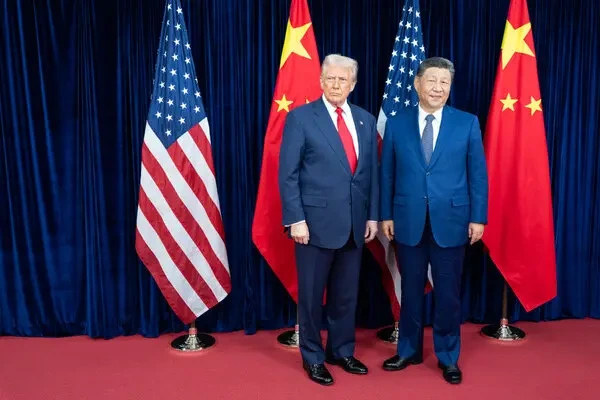
The decision comes at a particularly delicate moment, just weeks before a scheduled summit between Xi Jinping and President Donald Trump in Washington on September 24. Instead of easing tensions before the meeting, Beijing has recently adopted a series of measures against U.S. interests.
Less than a week before the announcement regarding pecans, China tightened controls on drone exports to the United States and placed several U.S. companies on a blacklist. Beijing also announced a national security investigation into printers and other imported office equipment, a measure it presented as retaliation for U.S. technological restrictions and sanctions against Chinese companies linked to allegations of forced labor.
Furthermore, the main Chinese cybersecurity agency opened a review of products from ''Palo Alto Networks'', a U.S. company specializing in cybersecurity that has extensively investigated cyber espionage campaigns attributed to Beijing.
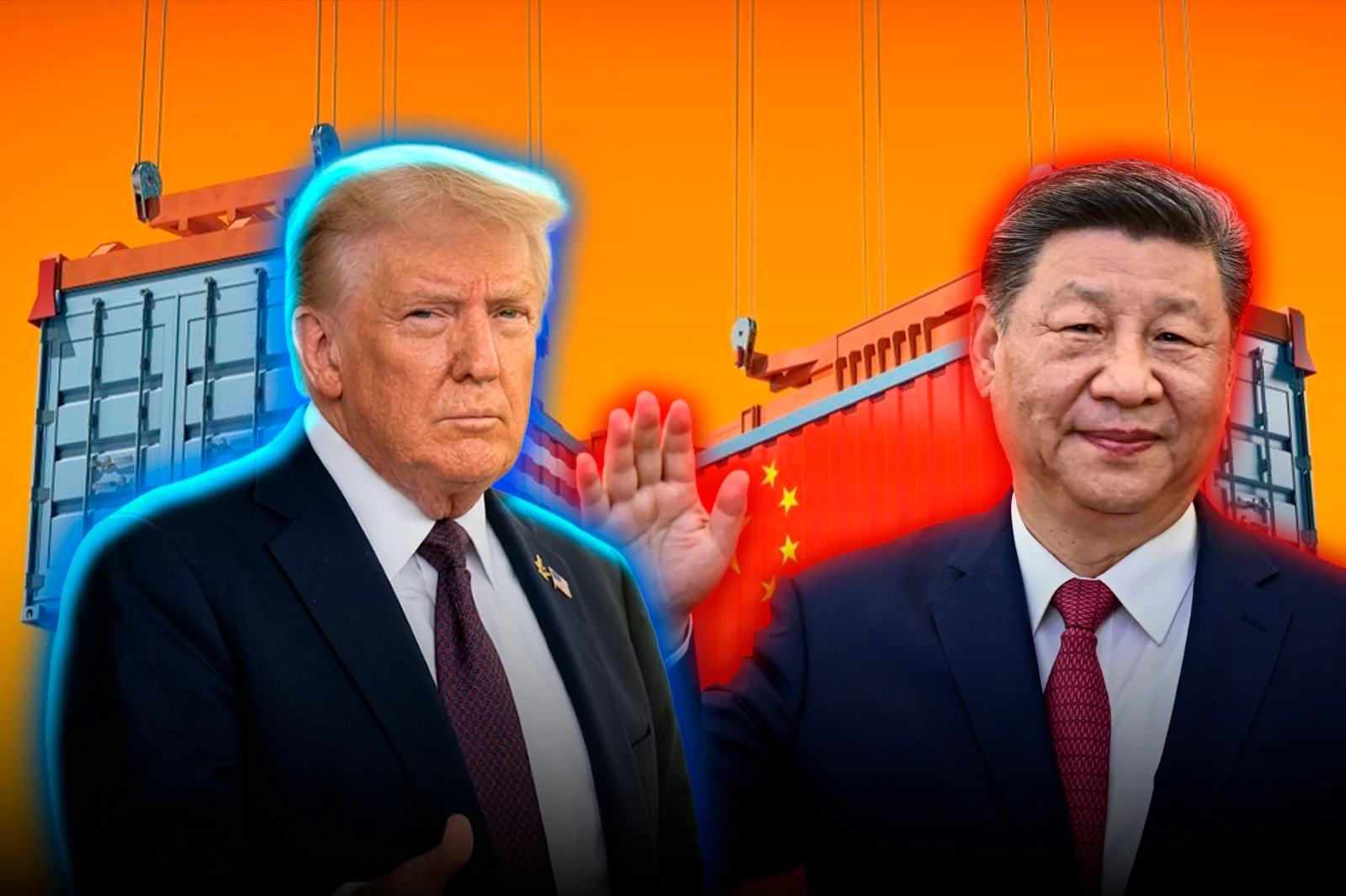
This new tariff decision raises tensions between both powers ahead of a summit to be held between Trump and Xi Jinping next September
The succession of measures reflects an increasingly aggressive strategy by Xi's regime, which uses trade, technology, and regulation as instruments of pressure against the United States and its allies. The dispute over pecans may seem limited compared to other trade conflicts, but it is part of a broader pattern of reprisals that threatens to complicate any attempt to stabilize relations between the two largest economies in the world.
The investigation into U.S. and Mexican pecans began in September 2025. Analysts had already warned at that time that Beijing might be sending a message to Mexico and other Latin American countries: getting closer commercially to Washington and supporting measures against Chinese products could have economic consequences.