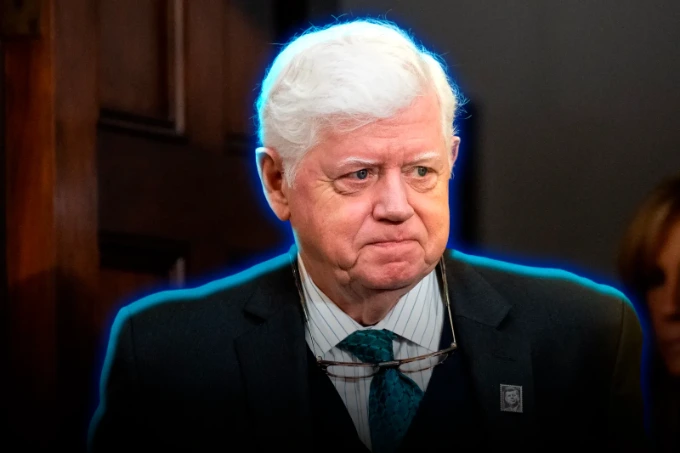
Democratic Congressman John Larson, 78, lost his party's primary in the first district of Connecticut to former Hartford Mayor Luke Bronin, 46, ending a nearly three-decade career in the House of Representatives and highlighting the growing advance of a new generation within the Democratic Party.
Bronin received 54.39% of the votes compared to 32.69% for Larson, according to unofficial results released by the Connecticut Secretary of State. State Representative Jillian Gilchrest garnered 8.17%, while attorney Ruth Fortune received 4.75%.
Larson, first elected in 1998, was seeking a fifteenth term. His defeat makes him the seventh Democratic House member to lose a primary this year, in a cycle marked by younger candidates challenging veteran lawmakers.
The defeat is particularly significant because Larson had important backing within the traditional party apparatus. Among those who supported him were members of Connecticut's congressional delegation and the House Democratic Minority Leader, Hakeem Jeffries. Bronin, on the other hand, received support from the state Democratic Party.
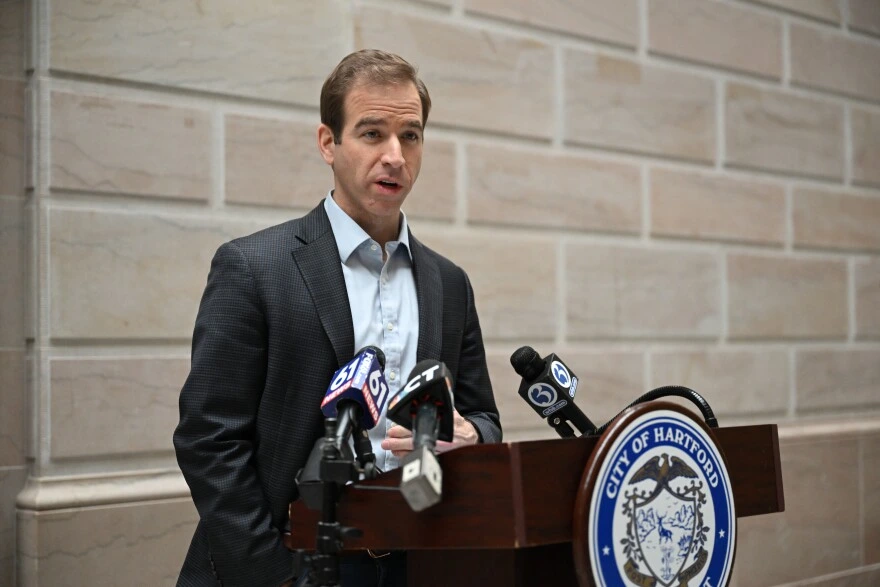
During his victory speech, Bronin described the result as a ''political earthquake'' and stated that his goal is to bring that change to Washington. The former mayor asserted that Democrats need to build a party with ''new energy'' and warned that if leaders do not push for necessary changes, it will be the voters who impose them from the grassroots.
Democrat John Larson lost to progressive Luke Bronin, deepening the internal conflict within the party
The Rise of the Progressive Wing
Larson's defeat occurs within a broader transformation of the Democratic Party, where young candidates and progressive sectors have gained prominence by questioning a generation of leaders who have held public office for decades.
Although not all primaries this year can be defined exclusively as clashes between progressives and moderates, generational renewal is often accompanied by demands to change the party's priorities, messaging, and electoral strategy. New candidates seek to capitalize on discontent with leaders seen as too tied to the Washington establishment.
The progressive advance also reflects an internal struggle for the future of the Democratic Party. While the traditional wing tries to preserve established structures and leadership, younger sectors are pushing for more radical positions on social, economic, and cultural issues.
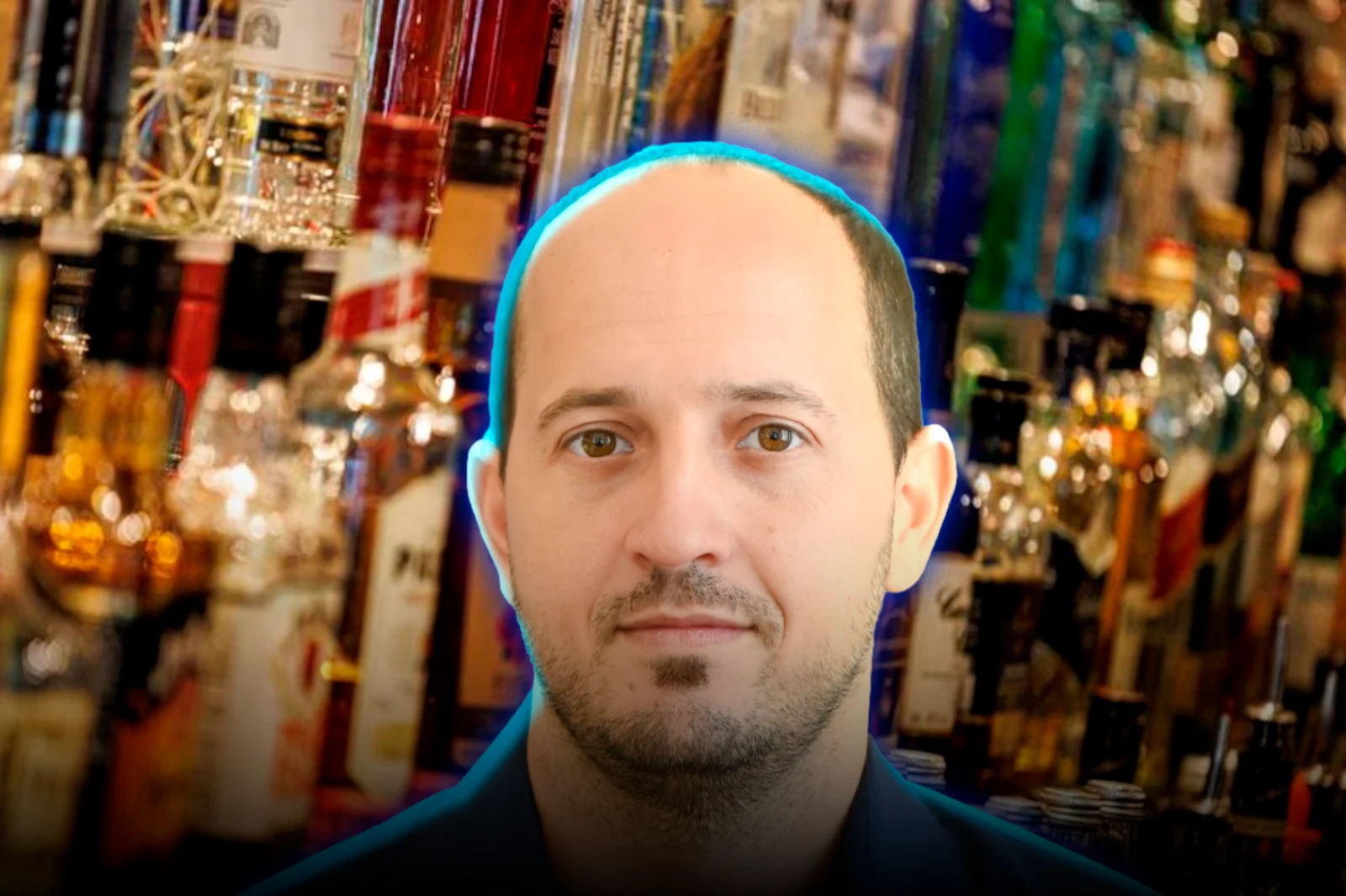
The progressive Luke Bronin has raised questions among Democratic voters, who seem to be shifting towards electing younger candidates with more left-leaning ideas
The situation poses a dilemma for Democrats. On one hand, replacing veteran figures could bring candidates with greater ability to mobilize young voters. On the other hand, a marked shift towards progressive positions could create difficulties for the party in districts where moderate voters hold significant weight.
The case of Connecticut demonstrates that renewal is no longer an exclusively internal discussion. Democratic voters themselves are deciding in the primaries what generation and what type of leadership they want to represent the party.
Larson Acknowledges Defeat
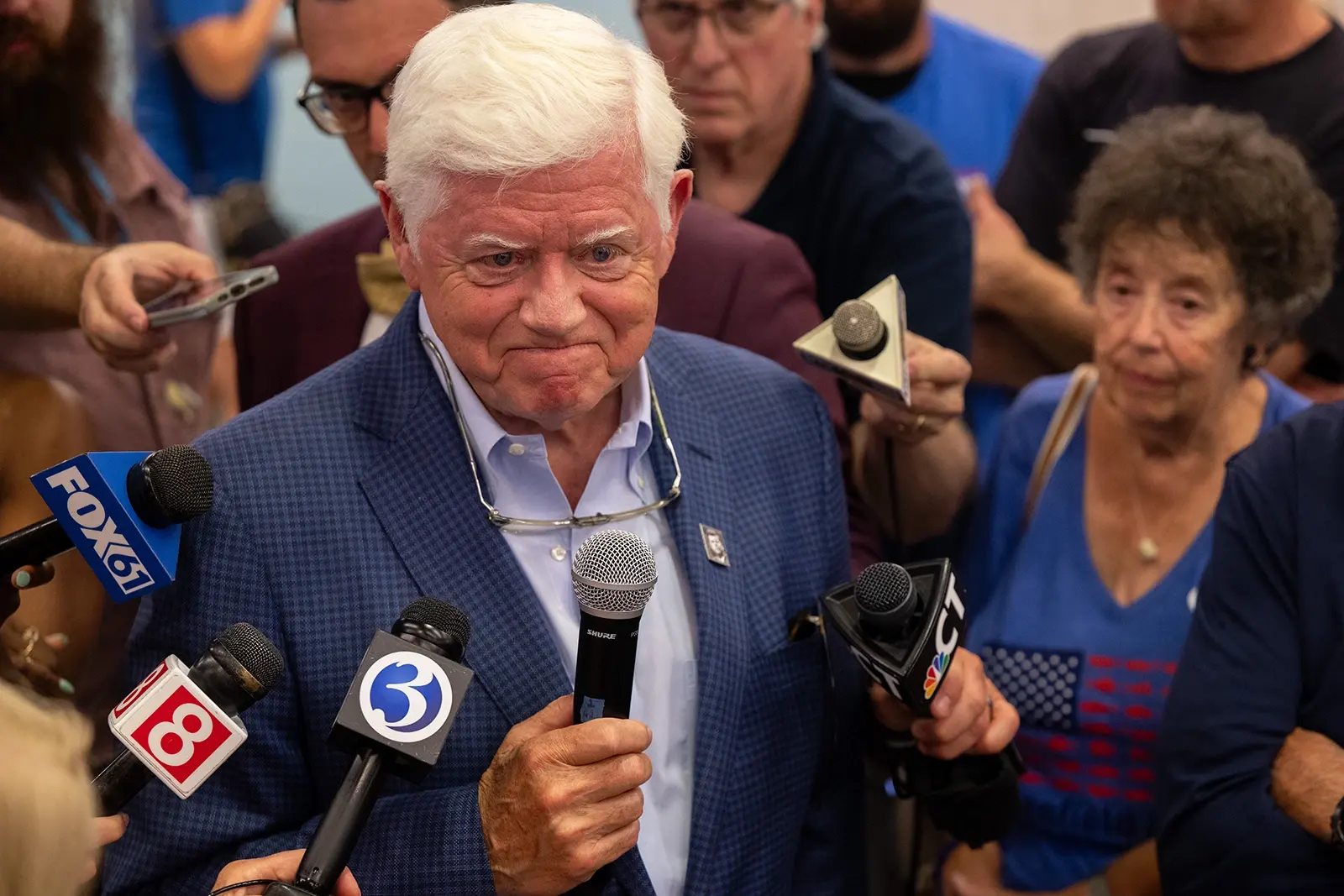
Larson accepted the result on Tuesday night and acknowledged that he was disappointed, although he stated that he was not discouraged. ''The people of this district have spoken,'' he said, while urging Democrats to unite, overcome divisions, and continue working.
The congressman also assured that he will fulfill his responsibilities until the last day of his term. During his speech, he thanked several members of the Connecticut delegation, including Senators Chris Murphy and Richard Blumenthal and Representatives Rosa DeLauro, Joe Courtney, Jahana Hayes, and Jim Himes.
Larson's campaign had also been affected by questions related to his age and health. The congressman had stopped speaking during a speech on the House floor last year. His office later explained that he had suffered a complex partial seizure, but he maintained that he was fit to compete again and that he was receiving medication.
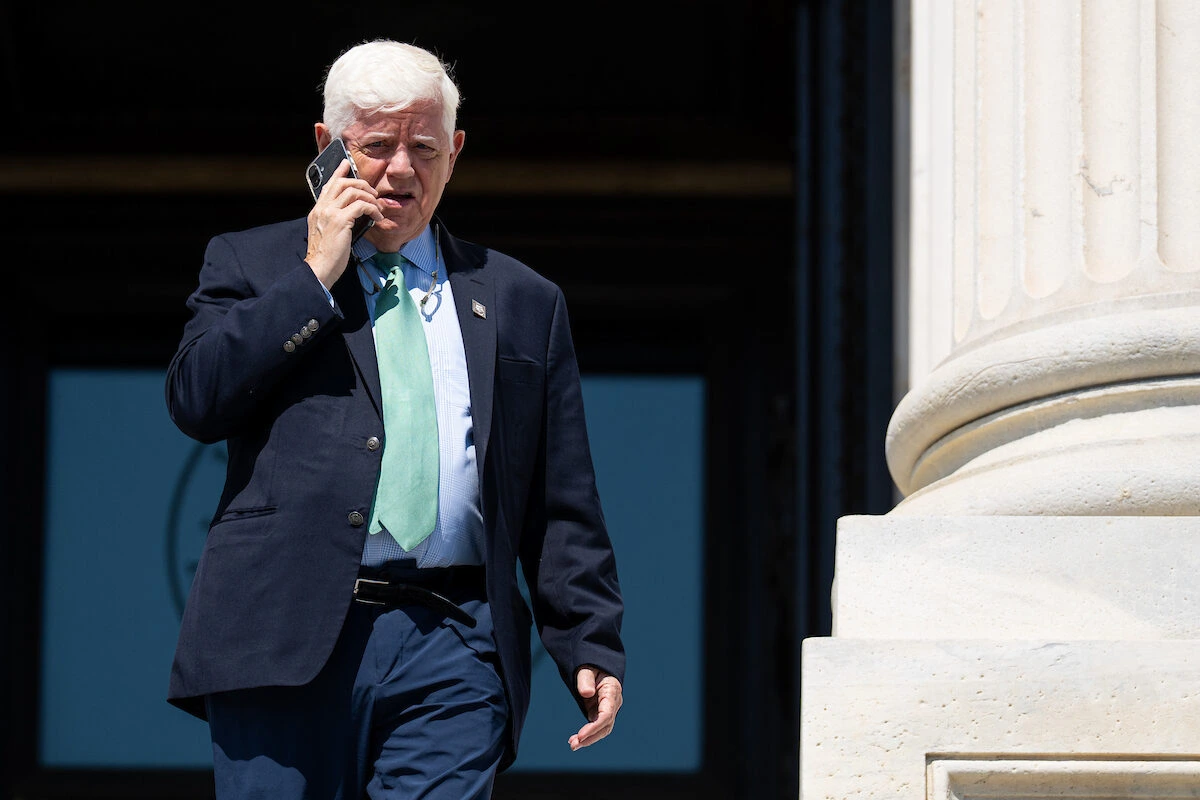
Larson acknowledged being disappointed by the defeat and assured that he will remain in his position until the end of his term
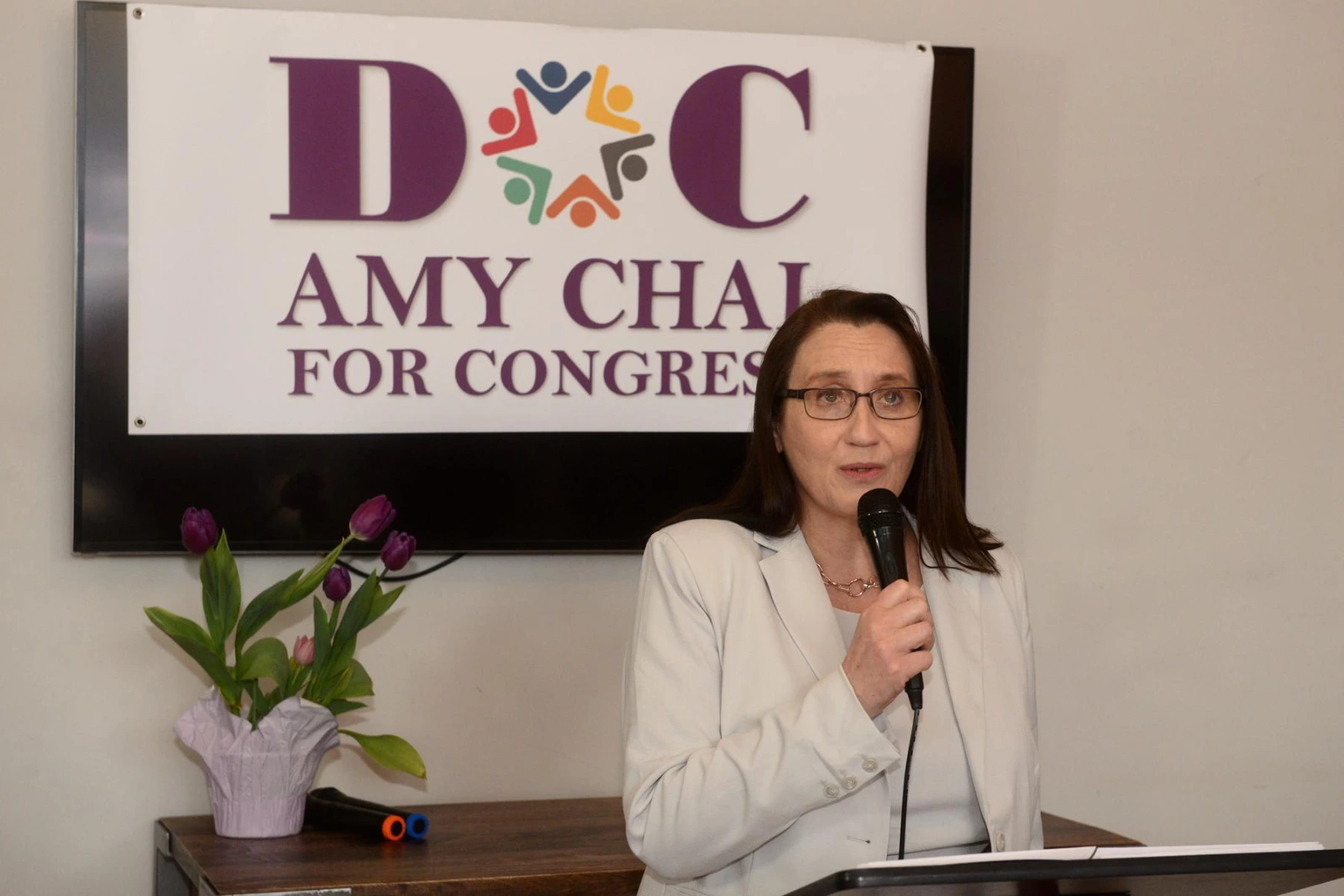
Bronin, who was mayor of Hartford from 2016 to 2024 and participated in an anti-corruption task force during his service in Afghanistan, will face Republican Amy Chai in the general election on November 3. Chai, a physician, faced no opposition in the Republican primaries.
Democrats currently hold all five seats in Connecticut in the lower house, so Larson's defeat does not by itself threaten the party's dominance in the state. However, it represents a clear signal that even traditionally Democratic districts are open to deep renewal.
Larson's fall demonstrates that the Democratic Party faces increasing pressure to abandon part of its old leadership structure. The rise of young candidates, along with the growing weight of progressive sectors, could end up redefining the party in the upcoming electoral cycles.
Bronin will now face Republican Amy Chai for a seat in the House of Representatives