The tribute to Fidel Castro in the Uruguayan Parliament sparked criticism for the endorsement of the Cuban regime and the attempt to limit press coverage
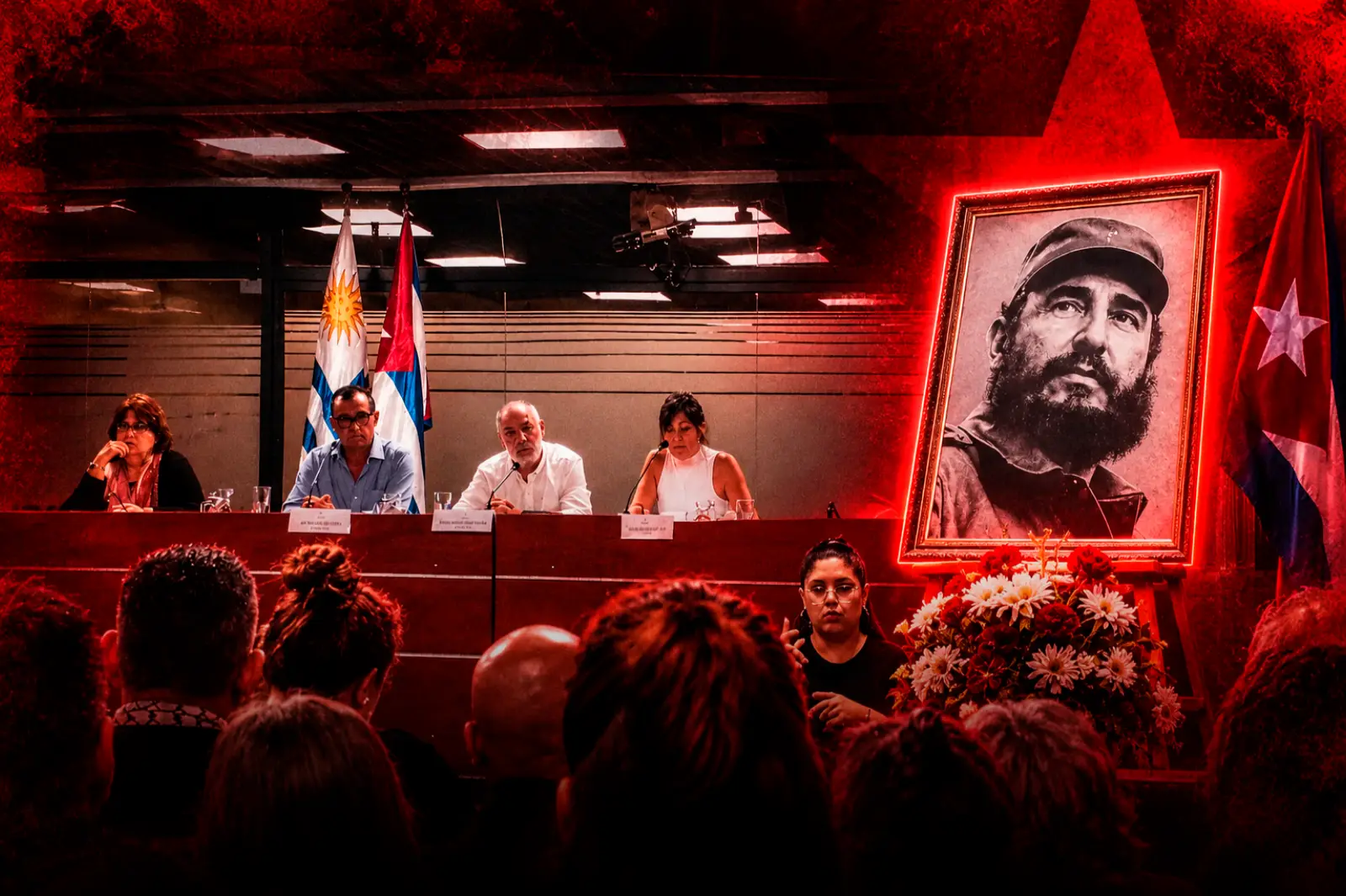
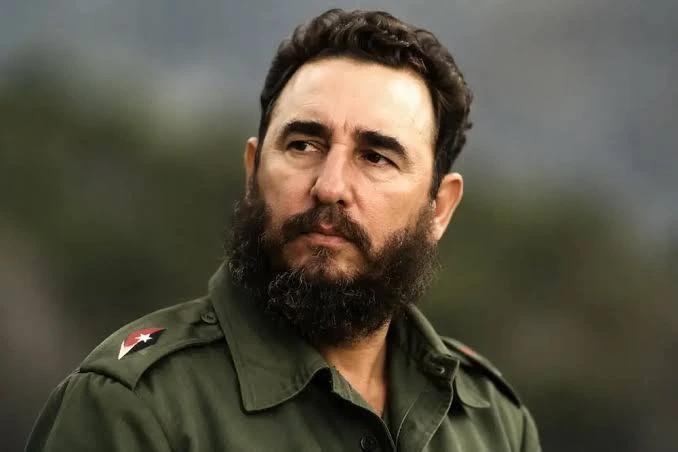
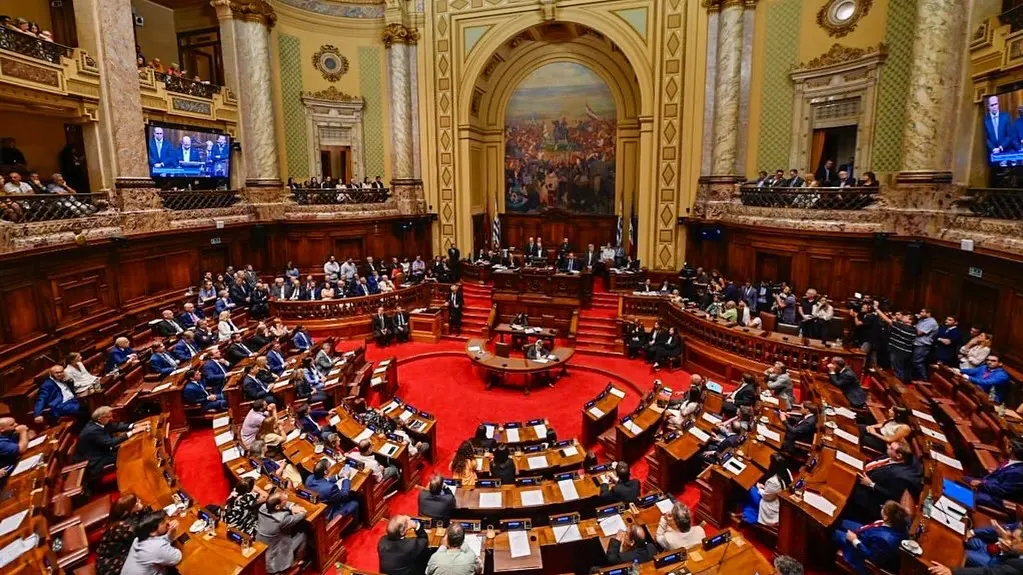
The Parliament of Uruguay was the scene of a tribute to the Cuban dictator Fidel Castro, in an event that generated rejection due to the glorification of his figure and for an initial attempt to limit media coverage. The meeting, organized with the participation of legislators from the ruling Broad Front, once again raised the issue of using a democratic institution to pay tribute to a leader associated with decades of authoritarianism in Cuba.
The conversation, titled ''100 years of Fidel in Solidarity with Cuba'', took place last Thursday at the Legislative Palace and began with the screening of the documentary ''The Dream of Fidel'', produced by the Broad Front deputy Agustín Mazzini. The event featured the participation of ruling party legislators and the Cuban ambassador to Uruguay, Lissett Pérez, who highlighted Castro's political legacy and expressed their support for the regime in Havana.
One of the most questioned episodes occurred when journalists who arrived to cover the event were instructed to leave once the speaking portion began. They were also informed that the Cuban diplomatic representative would not make statements to the media.
The Uruguayan Parliament held a lunatic tribute to the Cuban dictator Fidel Castro
The initial directive caused discomfort among journalists and opened another front of controversy around a tribute that had already been questioned by various political sectors. However, after some discussions at the Legislative Palace, the authorities finally allowed the media to remain during the meeting.
Although the restriction did not materialize, the attempt to limit coverage was enough for opposition leaders to denounce a contradiction between the tribute and the democratic principles represented by the Uruguayan Parliament.
The deputy from the Colorado Party Felipe Schipani criticized the attempt to exclude journalists during the speeches. In a post on X, he compared the situation to press restrictions in Cuba and stated that, during the tribute to the dictator, the media had been asked to leave when the speaking portion began.
The opposition expressed strong questions about the tribute in Parliament to the dictator and the restriction on the press.
In the same vein, Elianne Castro, also from the Colorado Party, joked about the decision and stated that the organizers had taken Fidel Castro's example literally by trying to limit press freedom. Additionally, she mentioned the reports of political prisoners, torture, and forced labor on the island to question the purpose of the event.
The Colorado deputy Sebastián Sanguinetti also expressed his rejection and described it as particularly serious that such a restriction was proposed within the Legislative Palace. He pointed out that it was contradictory for a tribute to a dictator to be accompanied by an attempt to exclude the media from the event.
During the conversation, the legislators from the Broad Front defended Castro's figure. Eduardo Antonini stated that the Cuban leader believed it was possible to change history and that peoples should not renounce building their own destiny. For her part, Magela Rinaldi summarized her assessment of the leader with the phrase: ''Talking about Fidel is talking about revolution''.
The ambassador Lissett Pérez also took the opportunity to advocate for political support for Cuba. The diplomat described the event as a ''act of resistance'' and attributed her country's difficulties to the economic pressure from the United States. She also thanked the participants for their support during what she defined as the most difficult and complex moment of the Cuban revolution.
The Cuban ambassador in Montevideo participated in the tribute and claimed the support of the Orsi government for the Cuban dictatorship
Opposition Rejection Before the Tribute
The controversy had begun before the event. The benches of the Republican Coalition, made up of the National, Colorado, and Independent parties, had agreed to promote a debate in the House of Representatives for Parliament to speak out against the tribute.
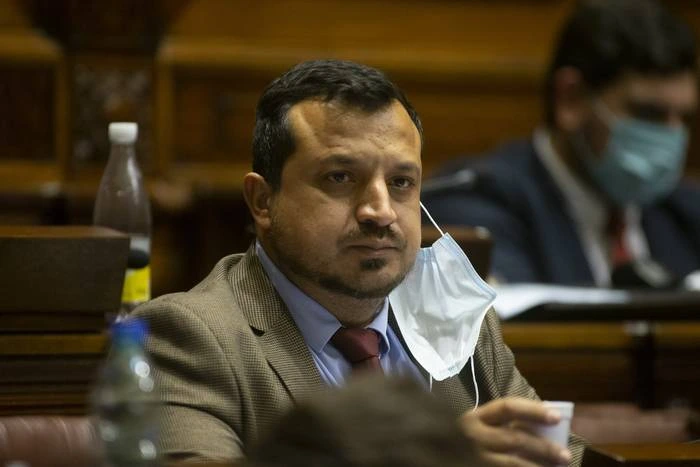
However, the initiative did not secure the necessary votes for the matter to be treated as a political issue. The outcome generated criticism among opposition legislators, including National Party deputy Juan Martín Rodríguez, who questioned why the Cuban ambassador and representatives of the Broad Front participated in an event dedicated to Fidel Castro.
The celebration ultimately took place despite the objections and left a new political controversy: the glorification of a regime noted for its authoritarian practices within the seat of a democracy, along with the initial attempt to restrict the presence of the press during the tribute.
The Colorado Party and other parties agreed to promote a debate so that the Legislative Branch rejects the act, but this initiative did not reach the necessary votes