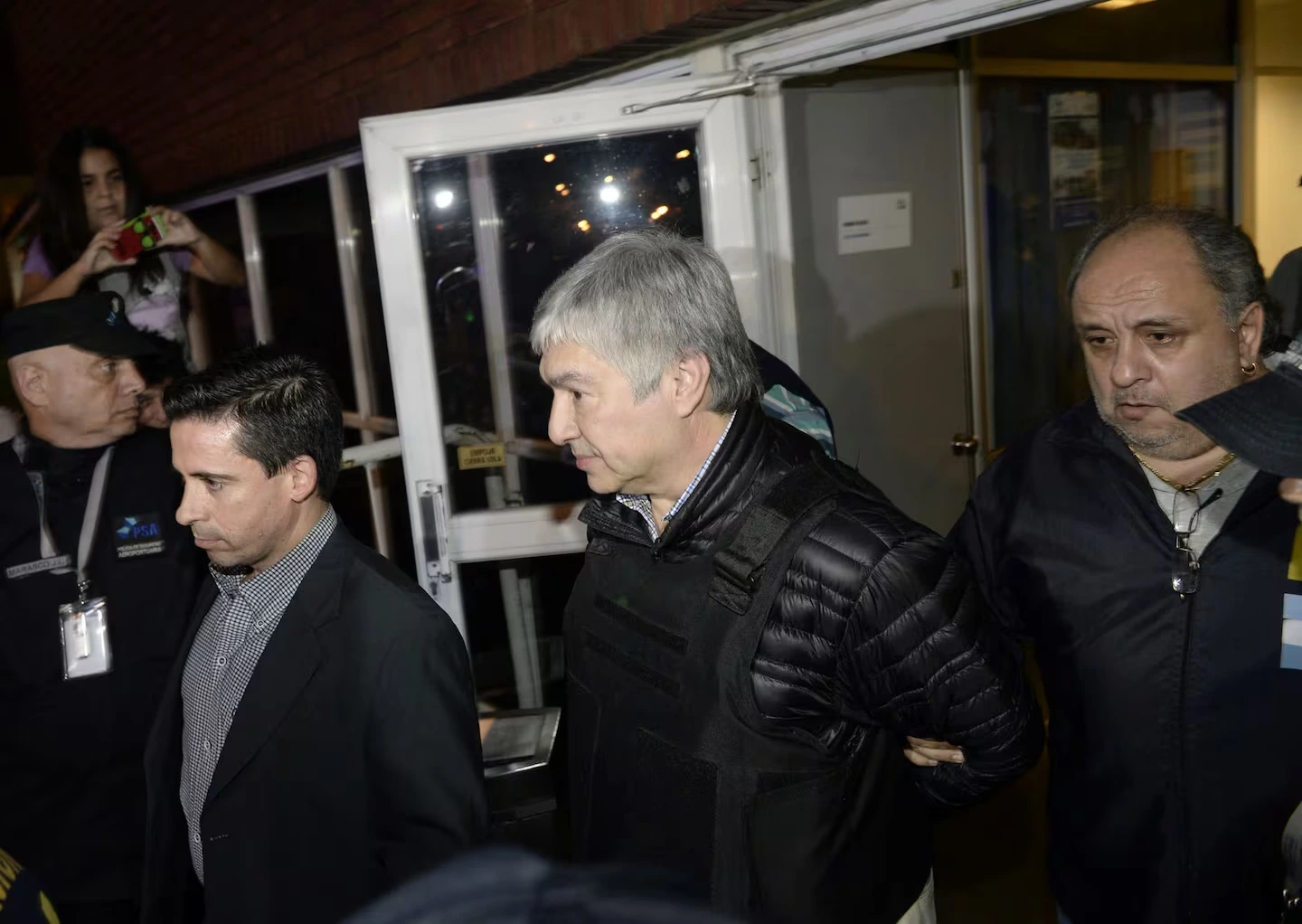

The Kirchnerism set up a systematic network of institutional looting that seemed untouchable. However, under the change of era driven by the national Executive led by President Javier Milei, federal forces and sovereign Justice are advancing relentlessly to dismantle every last vestige of the K decay. The central focus of the investigations concentrated on a powerful operation by the National Gendarmerie and Argentine Naval Prefecture in the province of Santa Cruz. By order of the Public Ministry, federal agents executed a strategic operation in a warehouse located on Guillermo Nasif street in the El Faro neighborhood, in Río Gallegos, a location flagged by neighbors for continuous suspicious nighttime movements and under judicial scrutiny as an authentic narcobunker.
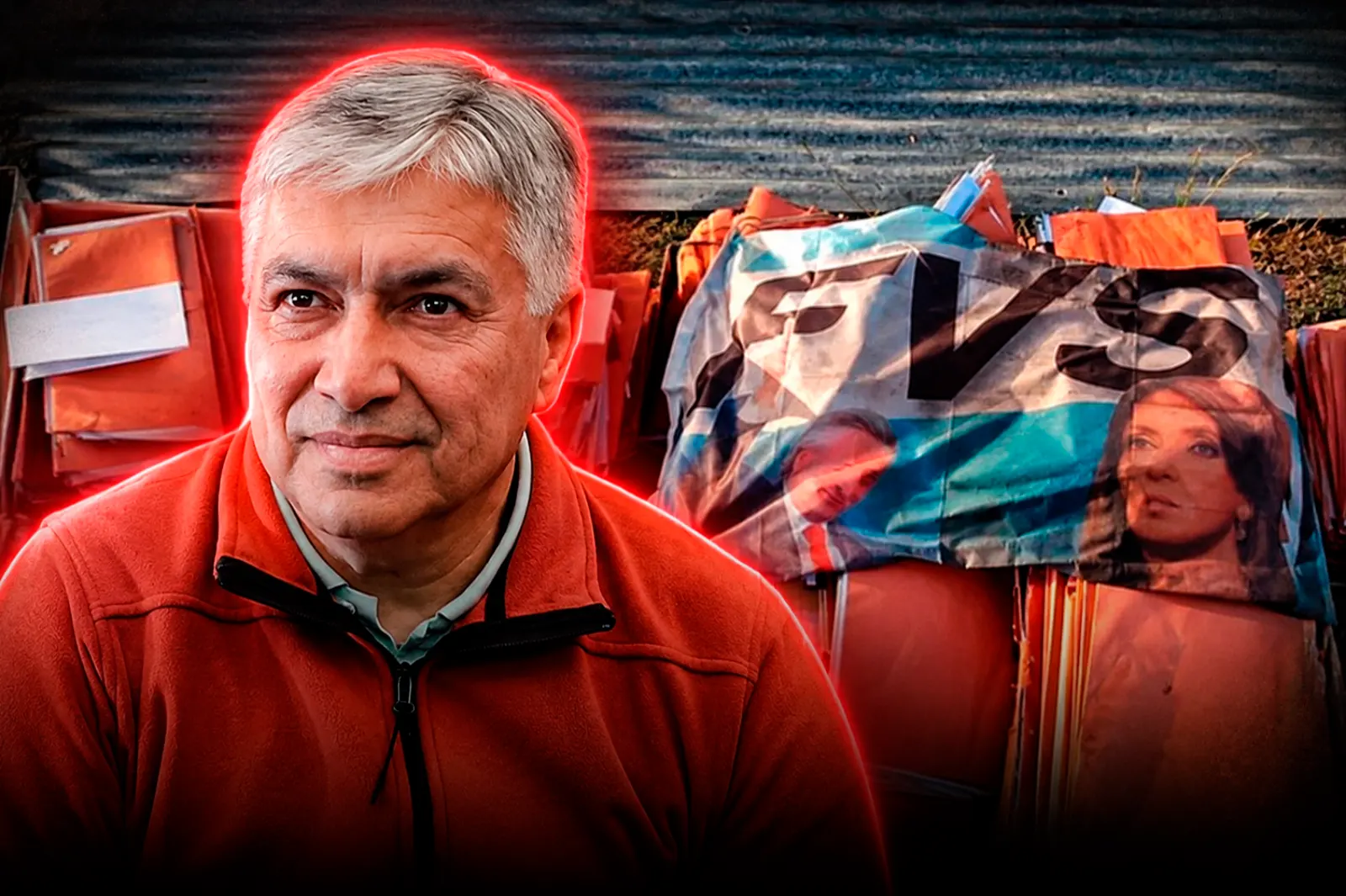
At the site, security forces seized: 85 boxes filled with confidential documents belonging to the flagship companies of the corrupt network, such as Austral Construcciones and Kank y Costilla, members of the Grupo Austral. A large excavator, in addition to a large fleet of trucks registered in the name of the K businessman’s construction companies. Folders with project proposals, files of road tenders from Provincial Road Authority and National Road Authority, auto insurance policies, and property titles. Personal, commercial, and sensitive documentation directly belonging to the family group of Lázaro Báez.
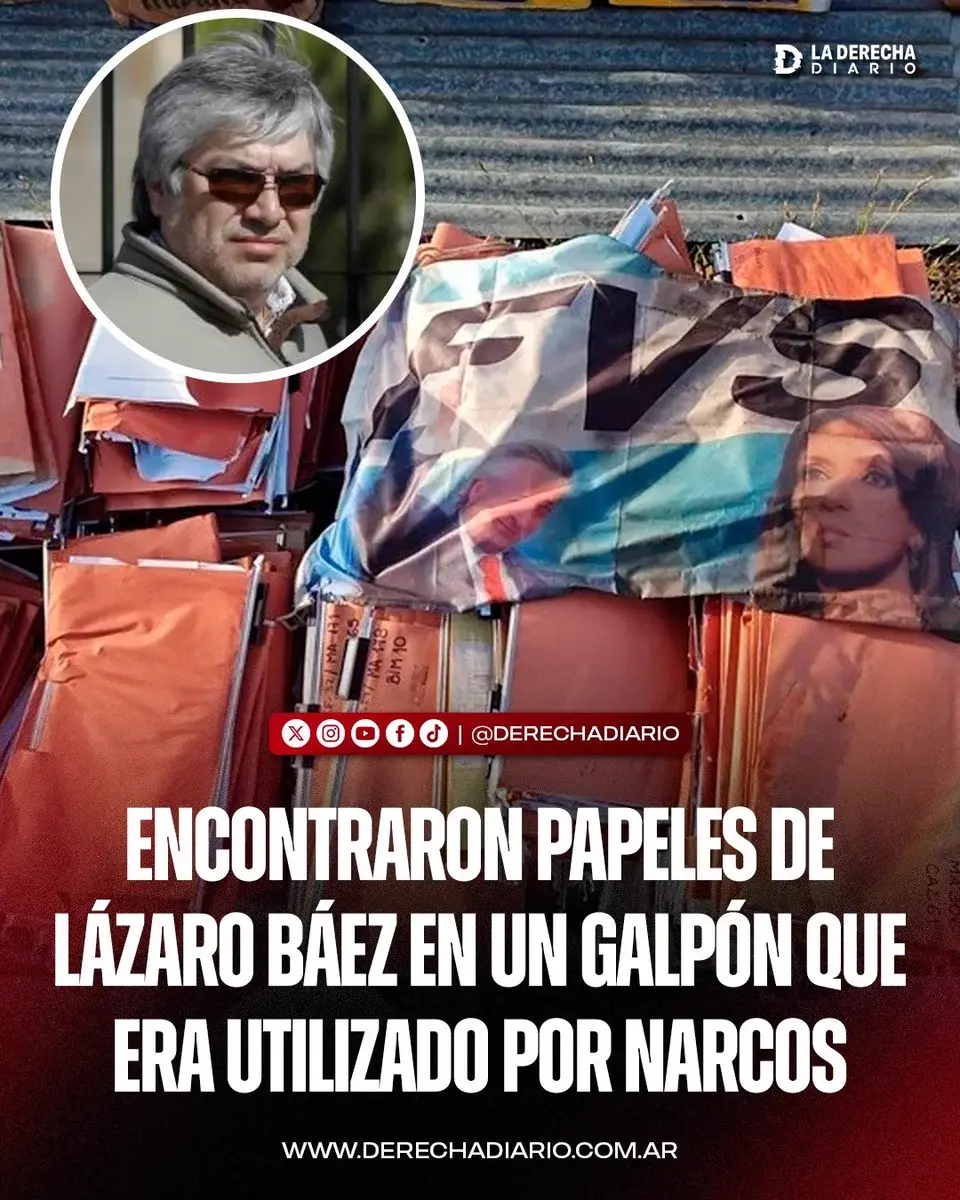
The actions led by federal prosecutor Julio Zárate, head of the Río Gallegos Fiscal Unit, along with prosecutor Diego Velasco from PROCELAC, demonstrated that these were not abandoned files, but an active operations center. Despite serving a consolidated sentence of 15 years in prison for the case known as the K Money Route and for fraud in Road Authority, Lázaro Báez was functioning as the undisputed leader of this criminal association.
Illegitimately using an official phone line from the Federal Penitentiary Service in the Ezeiza prison, the Kirchnerist businessman was giving direct orders to his executive team:
Claudia Noemí Insaurralde: Báez's partner and central operator of the clandestine structure. Cristian Sebastián Ibáñez (alias "Budín"): A man of extreme trust and alleged drug trafficker in charge of managing assets and properties. Agustín Agüero and Pablo Toledo: Identified by the prosecution as the key operators for direct operational links with drug trafficking networks. Valentina Devetac: A member of the inner circle involved in financial and logistical transfers. The rest of the gang operated under a strict family code, addressing Báez and Insaurralde by the aliases "Uncle" and "Aunt".
The financial arm of the gang systematically operated on seized assets, confiscated or entrusted to the State, maintaining illegal businesses and mobilizing a documented liquid mass of 390.9 million pesos (almost 391 million pesos) between December 2025 and August 2026 through front companies, fragmentation of transfers, and bets.
Among the detailed findings from the judicial investigation stand out:
Illegal exploitation of estates and properties: Clandestine productions and rentals from the estates Alquinta, La Entrerriana, Cruz Aike, and an apartment registered in the name of the Supreme Court on Córdoba 45 were being commercialized.
The livestock contract for sheep: In March 2025, the company Austral Agro signed a capitalization contract for the breeding, fattening, and shearing of 7000 sheep at the Coronel Guarumba estate.