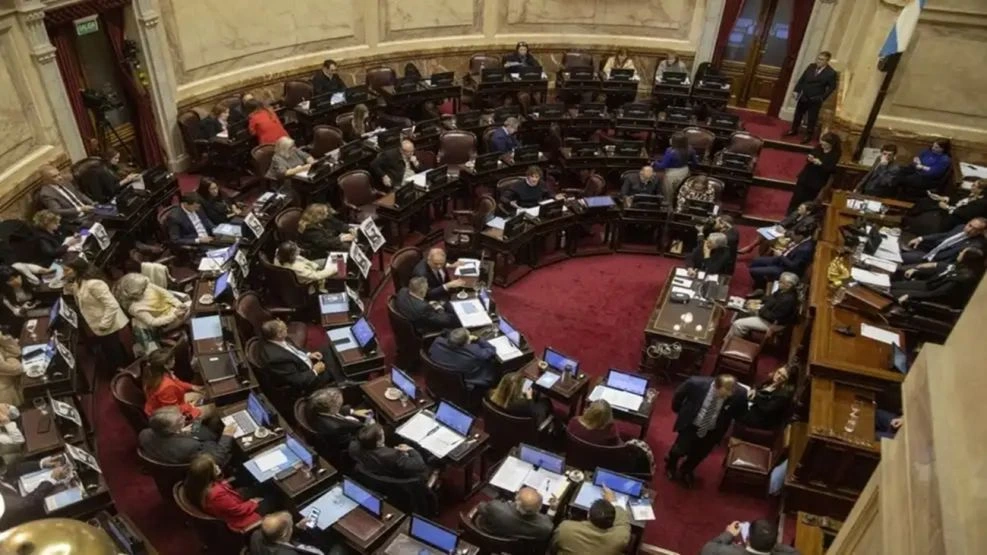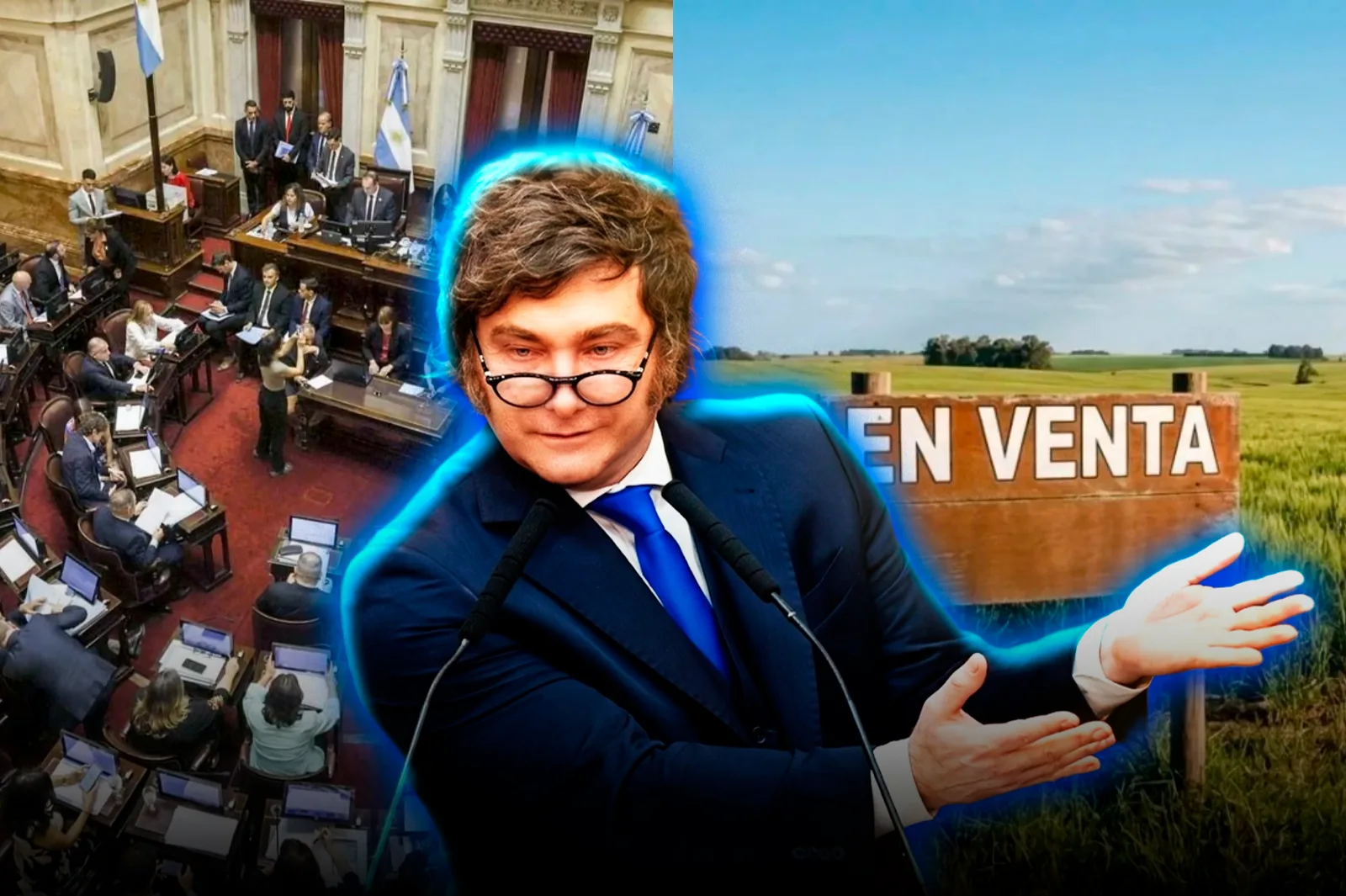

The pressure from the opposition forced the La Libertad Avanza bloc in the upper house to drop the chapter related to the reform of the Land Law that was part of the Law of Inviolability of Private Property project.
The fact hidden by the narrative of the left and Kirchnerism is compelling: the current land law allows foreign states and companies to buy rural land, while Javier Milei's reform strictly prohibited it.
The current Land Law No. 26,737, regulated by Kirchnerism in March 2012, was built under a false pretext of national protection, but in its fine print explicitly authorizes that "a foreign state, or a company with foreign state participation, can buy land with limits". In other words, the law that currently governs allows foreign powers to acquire territorial sovereignty over Argentine soil.
The initiative, which sought to relax the current restrictive regime and create competitive conditions to attract capital, was sabotaged after the desertion of legislators and the explicit rejection of governors such as Osvaldo Jaldo from Tucumán and Rolando Figueroa from Neuquén, along with the obstruction led by Kirchnerist senator José Mayans.
The reform buried by the opposition was precisely aimed at turning this situation around to truly defend the homeland. The central objective of the ruling party was to prohibit the purchase by foreign states, exclusively opening the doors to transparent private investment —whether from independent Argentines or foreigners— and guaranteeing the obligation to register all operations with the nationality of the purchasers.
The persistence of the current regulatory framework has been devastating for Argentine producers, who own 95% of the rural land in the country.
Due to the obstacles and the real estate clamp imposed by the Kirchnerist regulation of 2012, the value of the fields fell by 50%. This forced thousands of families, small farmers, and small businesses to sell their fields at discounted prices in situations of need, destroying the savings of generations.
The clamp on land did not stop foreignization, but rather directed it towards clientelism and corruption: the only beneficiaries of the brutal drop in prices were the friends of the feudal power.