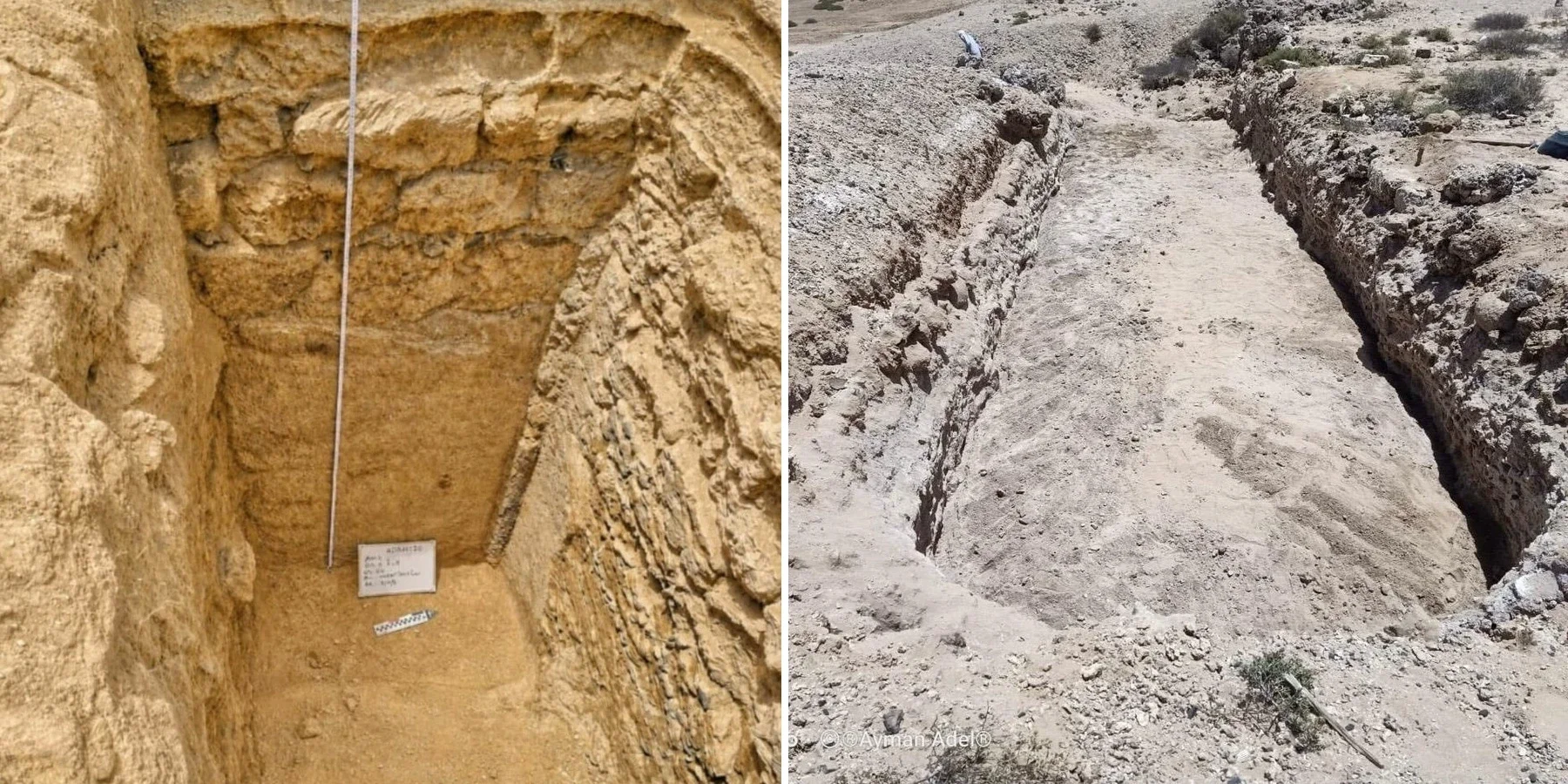
The site of 'Aydhab was a strategic hub that facilitated both religious pilgrimage routes and large-scale commercial exchanges. Its location on the Red Sea made it a mandatory stop for those traveling between Africa and Asia.
With this new data, specialists can more accurately reconstruct the daily life of a port city that played a prominent role in the medieval history of the region. The water system found is a clear indication of the organizational capacity of the societies of that time.
Historical importance of the port
The excavation provides valuable information on how the constant movement of people and goods was sustained in a place exposed to the conditions of the desert and the sea. Each reservoir served a specific function within the storage network.
Researchers continue to analyze the materials to obtain more details about the construction techniques used. The combined use of local stone and coral shows an intelligent adaptation to the available environment.
This type of infrastructure was essential to ensure the supply of fresh water in an area where natural resources were limited. Its discovery enriches knowledge about urban and commercial development along the Red Sea coast during the Fatimid period.
In summary, the reservoirs of 'Aydhab not only served for technical storage but also represented the pulse of a city connected to the Mediterranean, African, and Asian world of its time.
On the Egyptian coast of the Red Sea, archaeologists unearthed a set of reservoirs that were part of the infrastructure of the ancient port city of 'Aydhab. This finding highlights the importance of the site as a center for trade and the transit of pilgrims for centuries.
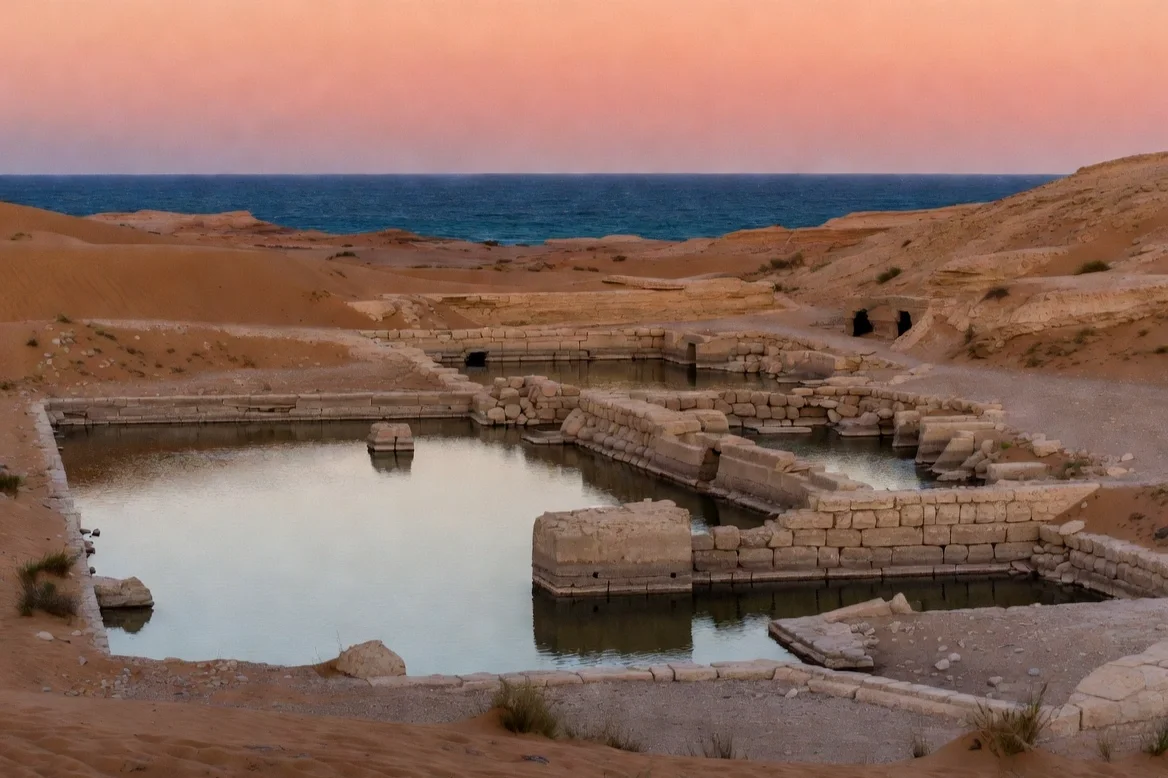
The main reservoir measures about 50 feet long and was built with local sandstone and coral blocks, coated with a waterproof layer of lime plaster. Alongside this, smaller reservoirs appeared that were part of a water storage system designed to supply ships, merchants, and travelers passing through the area.
“These facilities reflect a sophisticated infrastructure that supported both trade and the movement of pilgrims,” noted Sherif Fathy, Egypt's Minister of Tourism and Antiquities. Pilgrims used 'Aydhab as a starting point from Egypt and North Africa to Israel, while trade routes connected to India, Yemen, and East Africa.
In addition to the reservoirs, excavators found remains of residential buildings, watchtowers, and service facilities. These elements confirm the key role of the port in the economic and religious life of the time.
Artifacts from the Fatimid period
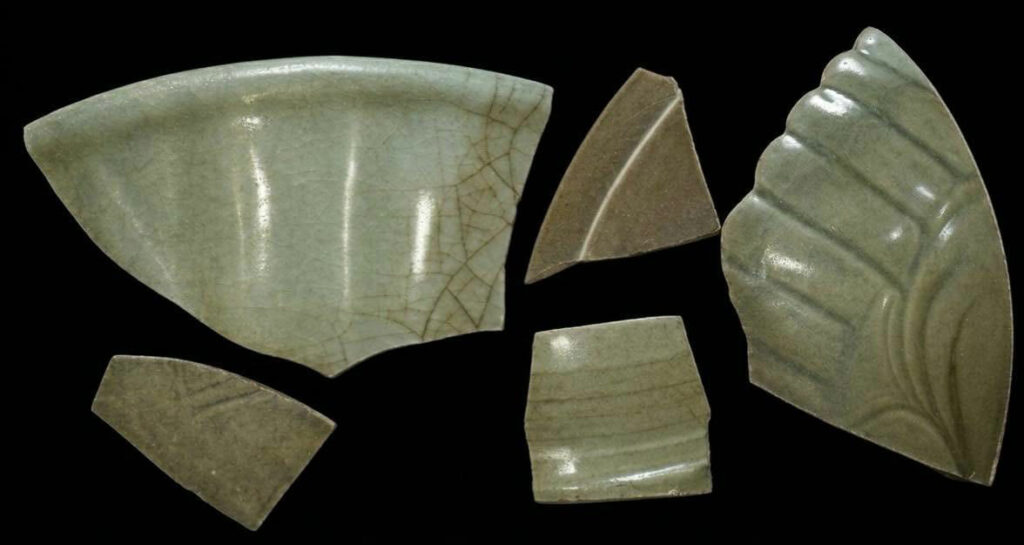
Among the recovered objects are imported Chinese porcelains and green-glazed ceramics, dated to the Fatimid period of Egypt, between the years 969 and 1171 AD. These findings demonstrate the breadth of the trade connections that 'Aydhab maintained with distant regions.
The discovery allows for a better understanding of how water supply was organized in an arid coastal environment, essential for sustaining the intense maritime and land traffic. The planning of these reservoirs reveals a high level of engineering for the time.

 Historical importance of the port