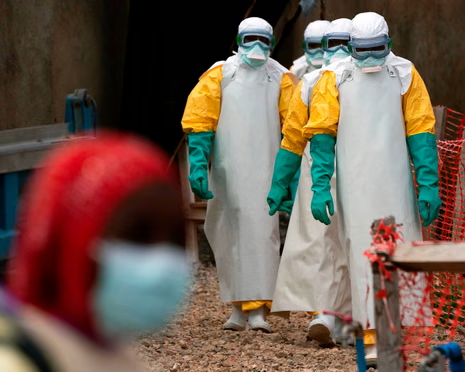
For many specialists, this delay reflects serious flaws in international epidemiological surveillance systems. Some experts question that, despite Congo's long experience facing Ebola outbreaks, the WHO continues to show difficulties in reacting quickly and deploying sufficient resources in critical areas.
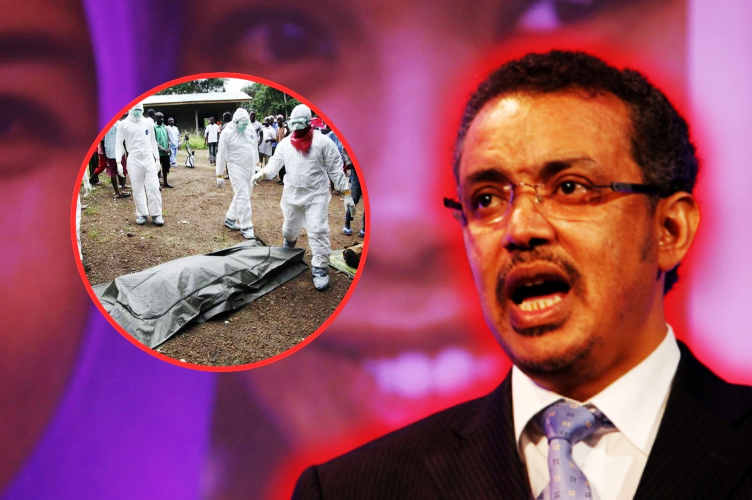
The Democratic Republic of the Congofaces a new outbreak of Ebola in the eastern province of Ituri, a health crisis that has already caused at least 80 deaths and 246 suspected cases, according to the Congolese Ministry of Health. The situation has raised alarms in Central Africa due to the risk of expansion to neighboring countries such as Uganda and South Sudan, while criticism grows against the response of the inefficient World Health Organization and its director-general, the communist Tedros Adhanom Ghebreyesus.
The outbreak was detected in the health zones of Rwampara, Mongwalu, and Bunia, the capital of Ituri province, a region marked by armed violence, extreme poverty, and a weakened health system after years of conflict. Authorities confirmed that the identified virus corresponds to the Bundibugyo strain, a less common and more difficult variant to combat because the available vaccines and treatments were primarily developed for the Zaire strain, responsible for most previous outbreaks in the country.
The index case is believed to have been a nurse who died at the Evangelical Medical Center in Bunia after presenting severe symptoms compatible with Ebola, including fever, hemorrhages, vomiting, and severe physical weakness. Subsequently, more suspected cases began to be detected in various parts of the province.
At least 80 people have died in a new outbreak of Ebola in Congo, and criticism against the WHO has been increasing.
The African Centers for Disease Control and Prevention (Africa CDC) confirmed that at least four of the recorded deaths correspond to laboratory-verified cases, although authorities believe that the actual number of infected individuals could be much higher. The organization also warned about the danger of regional spread due to the intense movement of people in the mining areas of Ituri and proximity to international borders.
The director-general of Africa CDC, Jean Kaseya, called for rapid regional coordination to contain the disease before it turns into a larger health emergency. Uganda has already reported the death in Kampala of a Congolese citizen infected with the Bundibugyo strain, although it stated that there are no cases of local transmission within its territory.
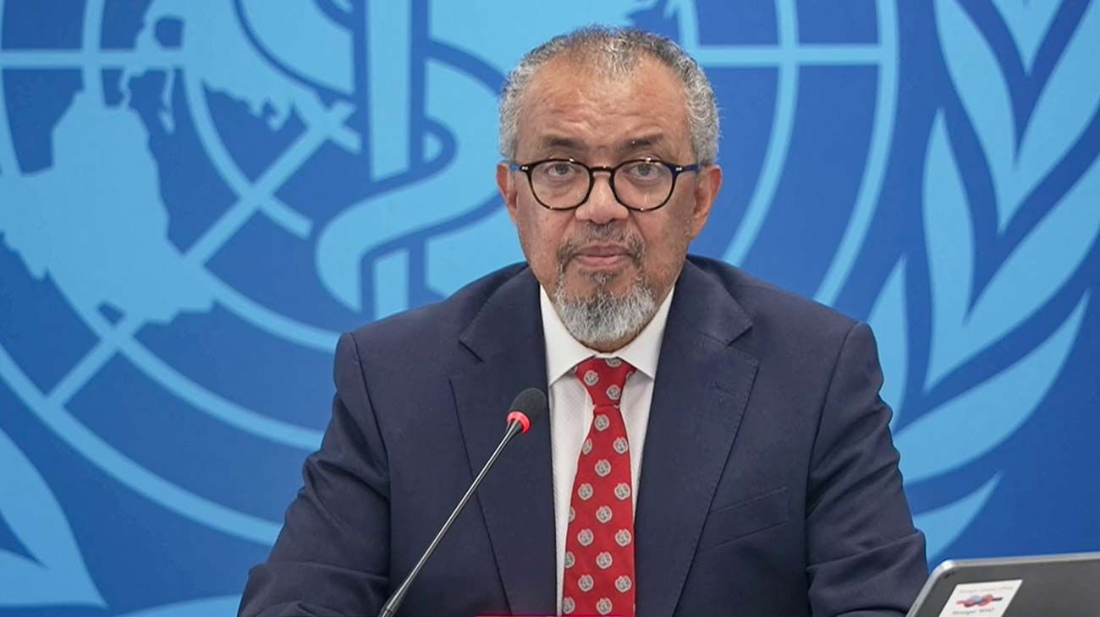
While African authorities attempt to contain the epidemic, criticism of the WHO is increasing due to a slow and insufficient response. Tedros Ghebreyesus acknowledged that the organization became aware of the first suspected cases on May 5 and that investigation teams were sent to Ituri. However, the first samples collected returned negative results, which delayed the official confirmation of the outbreak until Thursday, when a laboratory in Kinshasa managed to detect positive cases.
The communist Tedros Ghebreyesus faces harsh criticism for the lack of logistical and financial contribution that the WHO has provided so far.
Criticism also targets the limited financial support announced so far by the international organization. The WHO confirmed the release of $500,000 from its emergency fund for contact tracing, surveillance, and clinical care, an amount insufficient given the magnitude of the health risk. Critical sectors argue that the international community is once again reacting late to a potentially devastating threat.
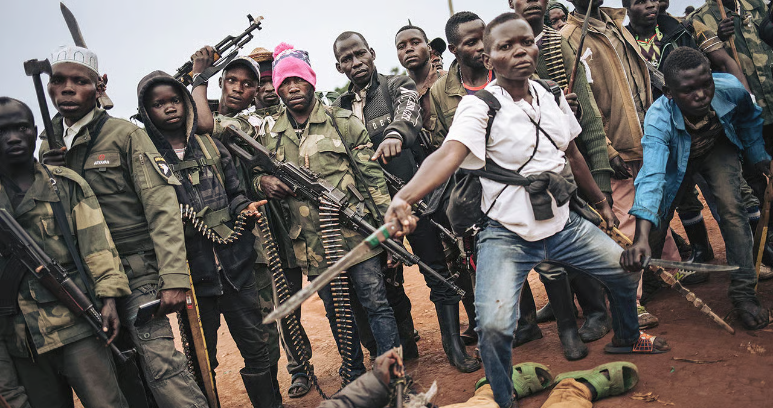
The health emergency also occurs amid a severe security crisis in Ituri. In recent months, clashes between armed groups have left dozens of civilians dead and thousands displaced. The humanitarian organization Doctors Without Borders recently reported that numerous health centers are collapsed or out of operation due to the violence, while hygiene conditions in the displaced persons' camps are extremely precarious.
Logistical difficulties represent another enormous challenge. Ituri is more than 1,000 kilometers from Kinshasa and has very poor road infrastructure, which complicates the rapid transport of vaccines, medical equipment, and healthcare personnel. During previous outbreaks, the late arrival of essential supplies had already generated strong criticism of international organizations.
Ebola is a highly contagious disease transmitted through direct contact with infected bodily fluids or contaminated materials. Its symptoms include high fever, diarrhea, vomiting, muscle pain, and internal and external bleeding. The mortality rate can be extremely high if action is not taken quickly.
In addition to the Ebola outbreak, Congo is facing a severe epidemic of violence that has severely hindered efforts to contain the virus.