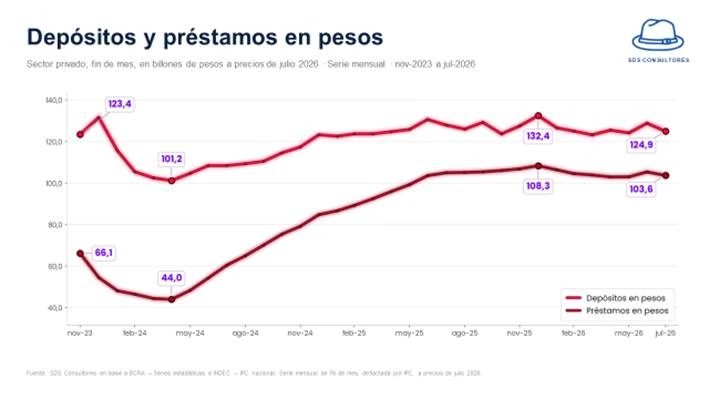











The increase in the granting of loans was so abrupt that it generated an increase in the delinquency of the system, something absolutely natural in a market that grows in the mentioned dimensions.
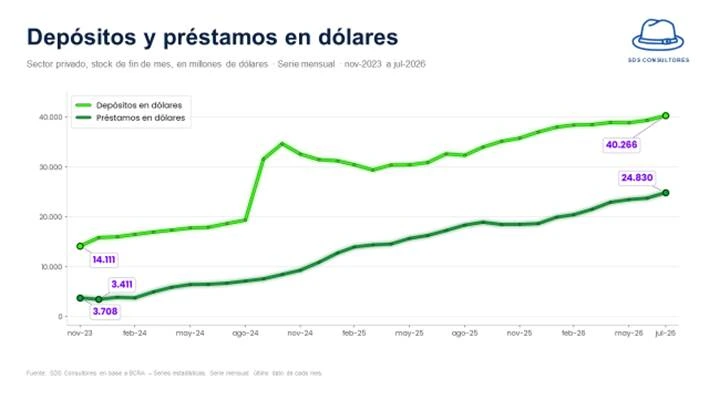
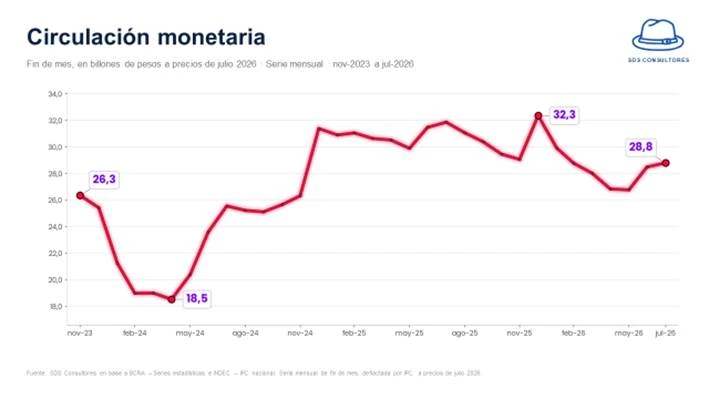
The debate we must not have in the future is where we are headed in terms of financing; Argentines continue to save in dollars and use pesos for daily transactions. We believe that the increase in dollar deposits, and consequently Argentine reserves, shows a different behavior than in other times, when Argentines saved in dollars but kept them in safety deposit boxes. Today, savings are within the system, which is very positive, as it ends up financing productive activities.

The capital market as a new source of financing
The future of financing in our country will not only rely on the financial system; we need to further develop the capital market. Currently, economic agents who have invested in public bonds with annual return rates of 10% can use these bonds as collateral to obtain up to 70% of what they hold in their portfolio and secure short-term financing through a bond guarantee at an annual rate of 2.0%.
They can also pledge the bonds and issue a promissory note for more than a year at a market rate of 6.5% per annum.
We believe that future financing will come more from the capital market than from the financial system. Without genuine savings, there will be no new financing, and it seems that banks have lost their appeal to attract savers.
Placements in pesos are stagnant, while those in dollars are on the rise. The decision-making process in companies will have to lean towards financing in dollars, which is the channel where there are more resources to transact. Those who wait for financing in pesos will not have understood the logic of the saver, who despises the peso and prefers hard currency.