
Five years ago, I wrote an article defending private property as one of the fundamental pillars of a free society. At that time, this defense seemed like a countercultural position against the advance of ideas that justified an increasing intervention of the State in people's lives.
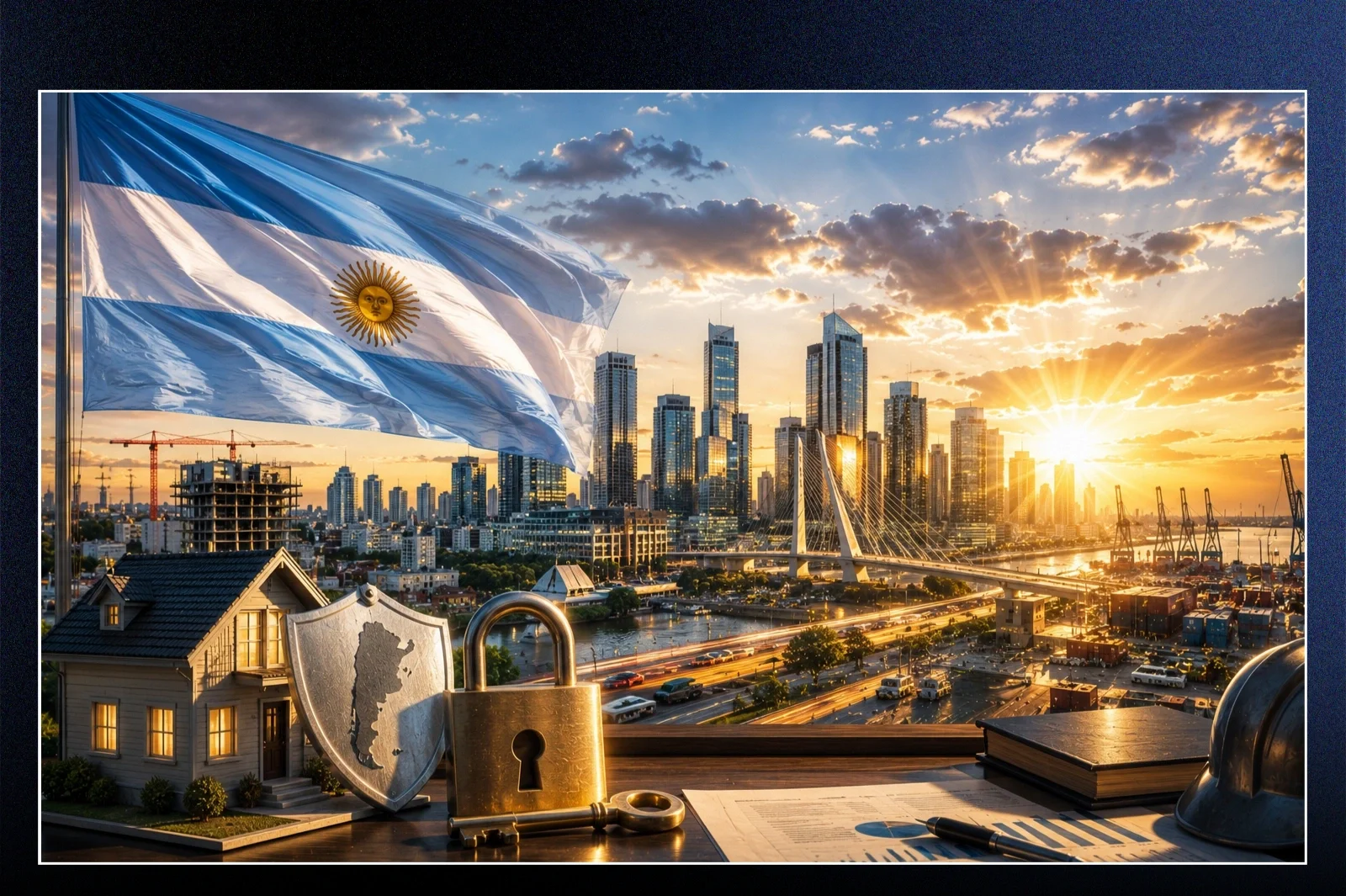
Today I revisit those reflections because Argentina is going through a historic moment. After many years, private property, economic freedom, monetary stability, and the limitation of State power have returned to the center of public debate.
And it is worth remembering a simple truth that has been forgotten for too long; there is no freedom without private property.
Private property is not simply the right to own material goods. It is much more than that. It is the right of each person to enjoy the fruits of their labor, to save, invest, undertake, build wealth, and project their future without depending on the will of those who wield power.
That is why our National Constitution establishes in its article 17:
"Property is inviolable, and no inhabitant of the Nation may be deprived of it except by virtue of a sentence based on law."
This is not a secondary clause. The framers understood that without private property, there is no true individual freedom, because a citizen who does not control the fruits of their effort ends up depending on those who control resources.
"Private property is the ground in which the seeds of freedom are nourished and where the individual autonomy on which all intellectual and material progress is founded takes root," Ludwig von Mises.
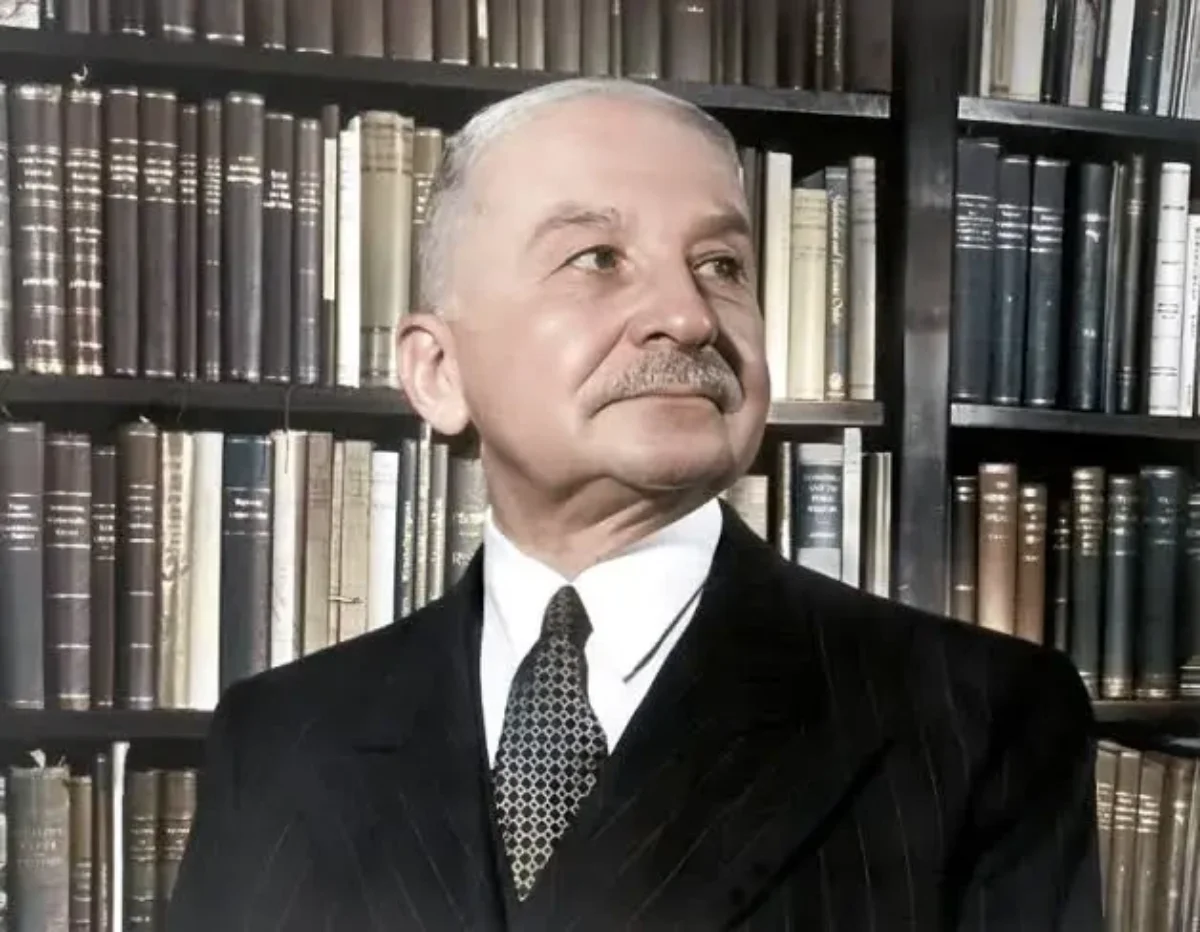
It is hard to find a more precise definition. Where people can freely keep and dispose of the results of their work, investment, innovation, and progress flourish. Where property is insecure or subject to the whim of political power, freedom begins to retreat.
History offers compelling examples. Societies that protected private property managed to attract investments, generate wealth, create jobs, and improve the quality of life of their citizens, such as Singapore, Finland, Japan, and New Zealand. In contrast, those that advanced against it ended up producing poverty, dependency, and concentration of power, as seen in the deterioration of Haiti, Cuba, and Venezuela.
For decades, Argentina has progressively distanced itself from those principles. Permanent inflation, excessive taxes, currency restrictions, arbitrary regulations, and legal insecurity have eroded the necessary trust to produce, invest, and grow.
Many times, property was not attacked through open confiscation. It was silently eroded by inflation that destroyed savings, by increasingly heavy taxes, or by regulations that limited people's ability to freely decide about the fruits of their labor.