









Even more compelling is the 2018 study by the Interdisciplinary Center for Studies in Science, Technology, and Innovation (Ciecti), which calculated that the aquaculture potential of Argentina could generate exports worth between 60 billion to 600 billion dollars, representing from 12 percent to over 100 percent of Argentina's GDP.
At the time, Doctor in Sociology and director of CEP XXI, Daniel Schteingart, denounced the prohibition as a "serious strategic error" stating: "I don't think it's good to celebrate a prohibition on a productive activity. I think it's fine to discuss how to regulate it, scales, zonings, pilot tests, modes of production, but not to prohibit outright. Much less does it seem appropriate when poverty has risen sixteen points in three years, the economy has shrunk, and when it is extremely difficult for us to develop new productive activities and grow existing ones. Let's discuss standards, state controls, regulations, zoning, rents. The prohibitions that are celebrated are those that prohibit child labor and human trafficking, not those of productive activities".
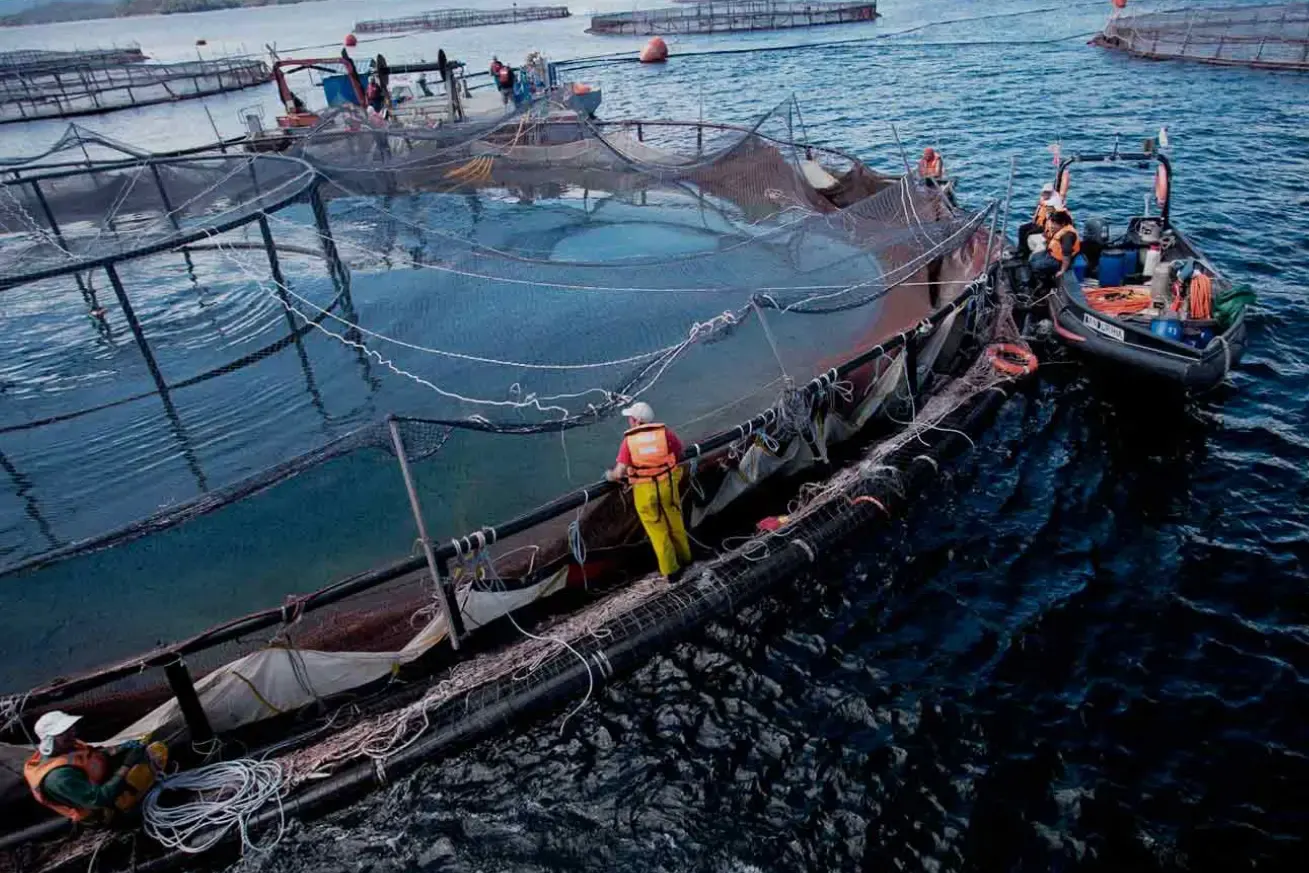
In the face of this landscape of neglect and sovereign submission, the liberal government of President Javier Milei has decided to put an end to the tyranny of environmentalism. With a decisive strategic shift and in line with the ideas of freedom, the national administration has promoted the liberalization of the aquaculture sector in Tierra del Fuego to attract massive investments of high export value.
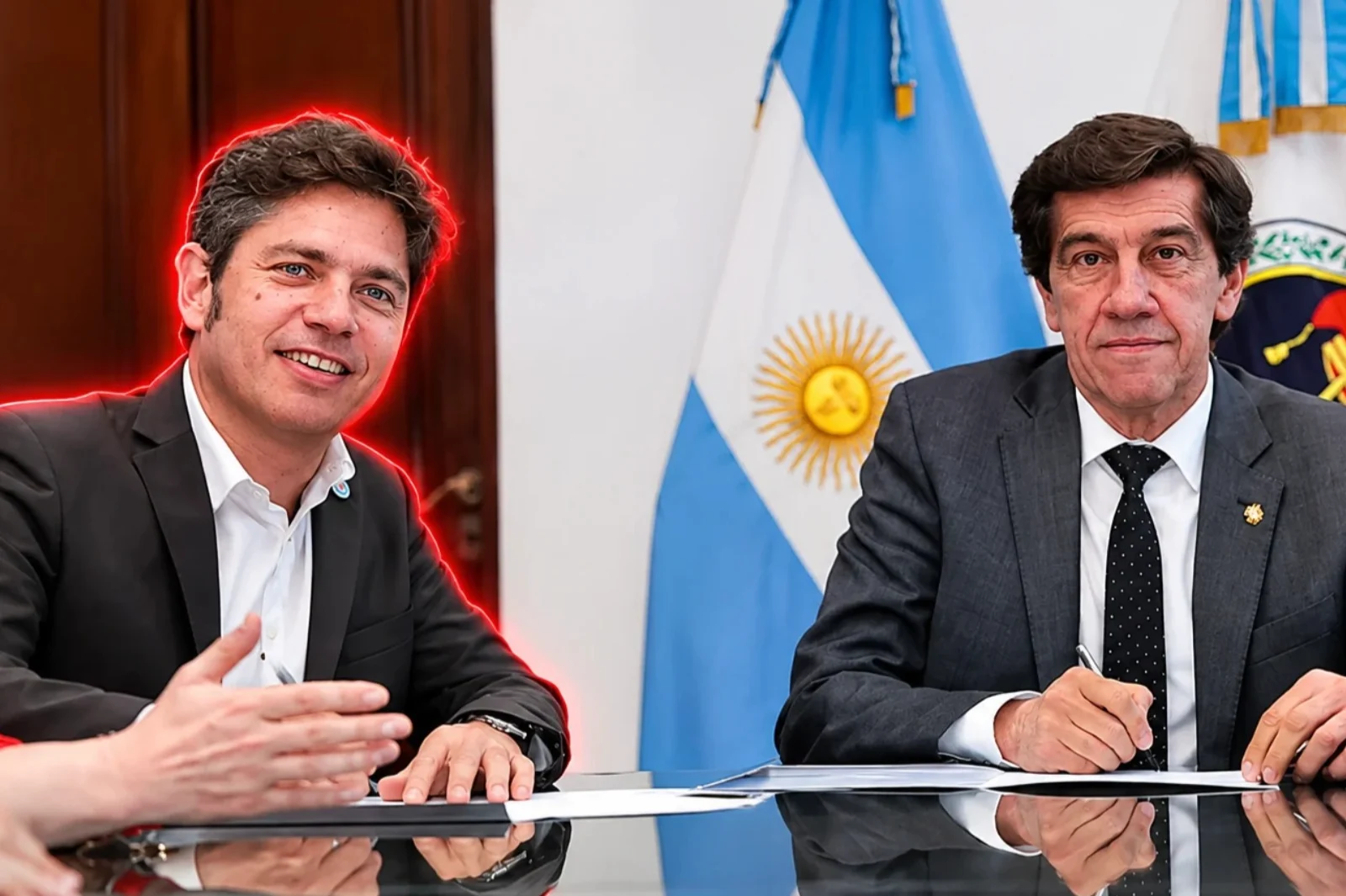
The provincial legislator Agustín Coto led this cultural and legislative battle by presenting the project to authorize the activity.
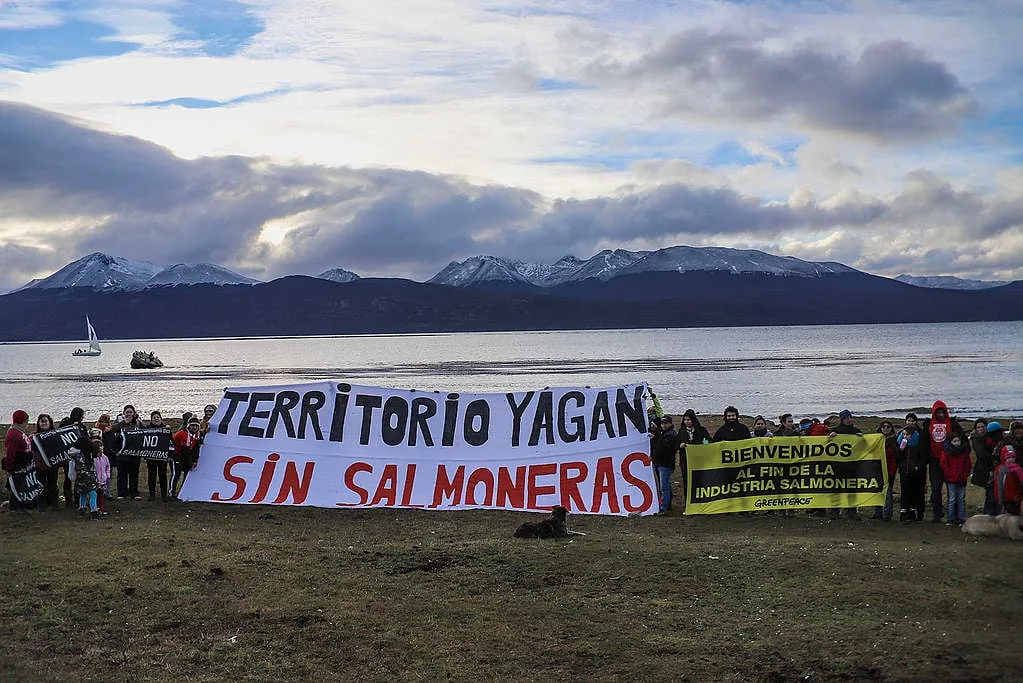
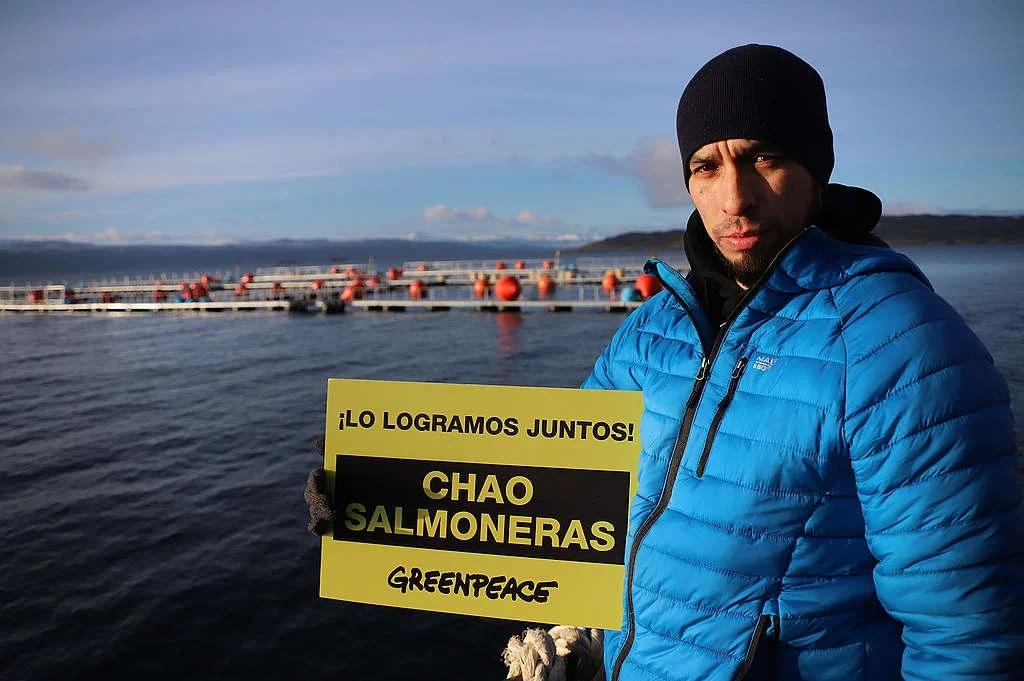
Thanks to this firm political decision by the administration of Javier Milei, the province has made progress in modifying the absurd total prohibition of Law 1.355 of 2021.
Under this new zoning scheme, areas of extreme environmental sensitivity such as the Beagle Channel, Laguna Esmeralda, and Lago Fagnano are protected, but new areas for controlled commercial exploitation are enabled.
At the same time, the National Government of Javier Milei has facilitated economic growth through a notable reduction of tax burdens to enhance the competitiveness of local producers against the Chilean giant. Likewise, SENASA implemented an agile and modern system of electronic traceability and health inspection to guarantee global biological standards without stifling private initiative.