







In the midst of World War II, the United Kingdom faced a delicate problem: it needed to learn the secrets of the German military machinery, but high-ranking prisoners were well aware of when they were being interrogated. The British response turned out to be much more subtle and effective than any formal questioning session.
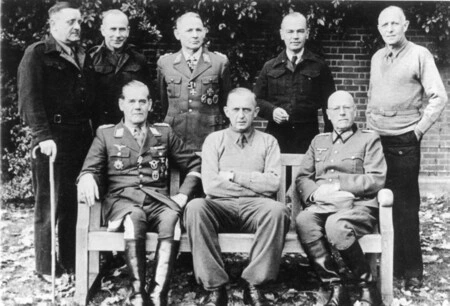
Instead of applying direct pressure, the authorities gathered dozens of German generals and officers in a sophisticated mansion north of London. There, they were offered comfortable rooms, a library, English classes, service staff, and even occasional outings. The idea was simple: treat them as if they still held their status so they would let their guard down and converse naturally.
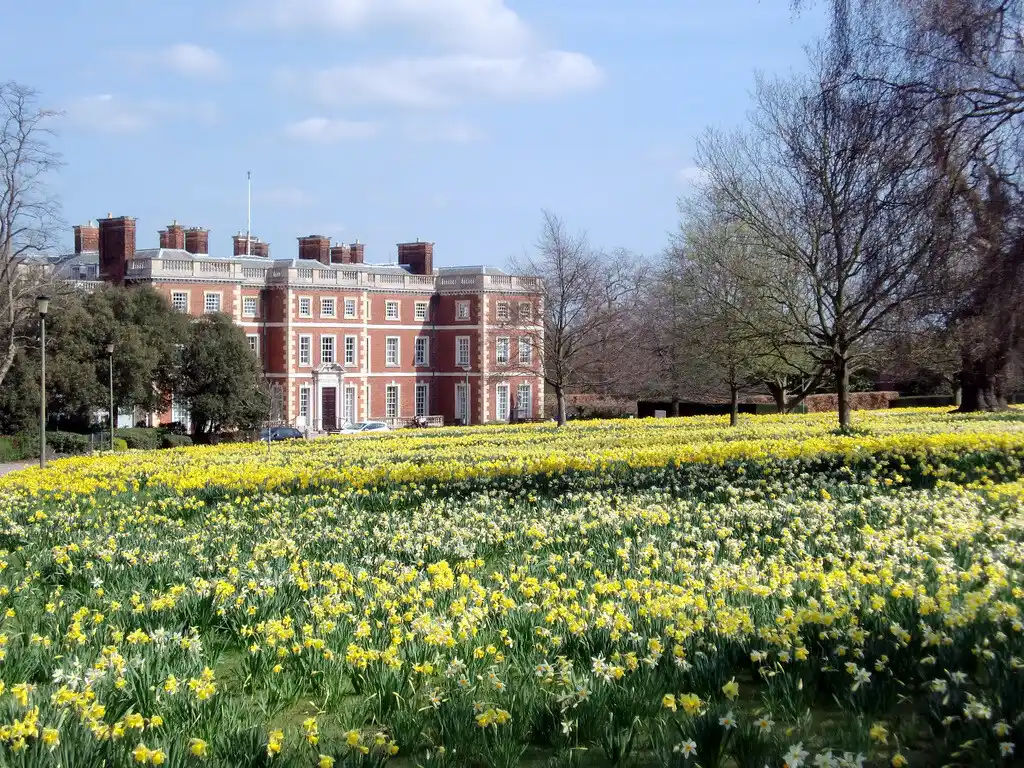
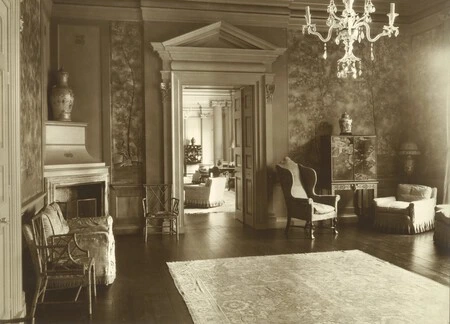
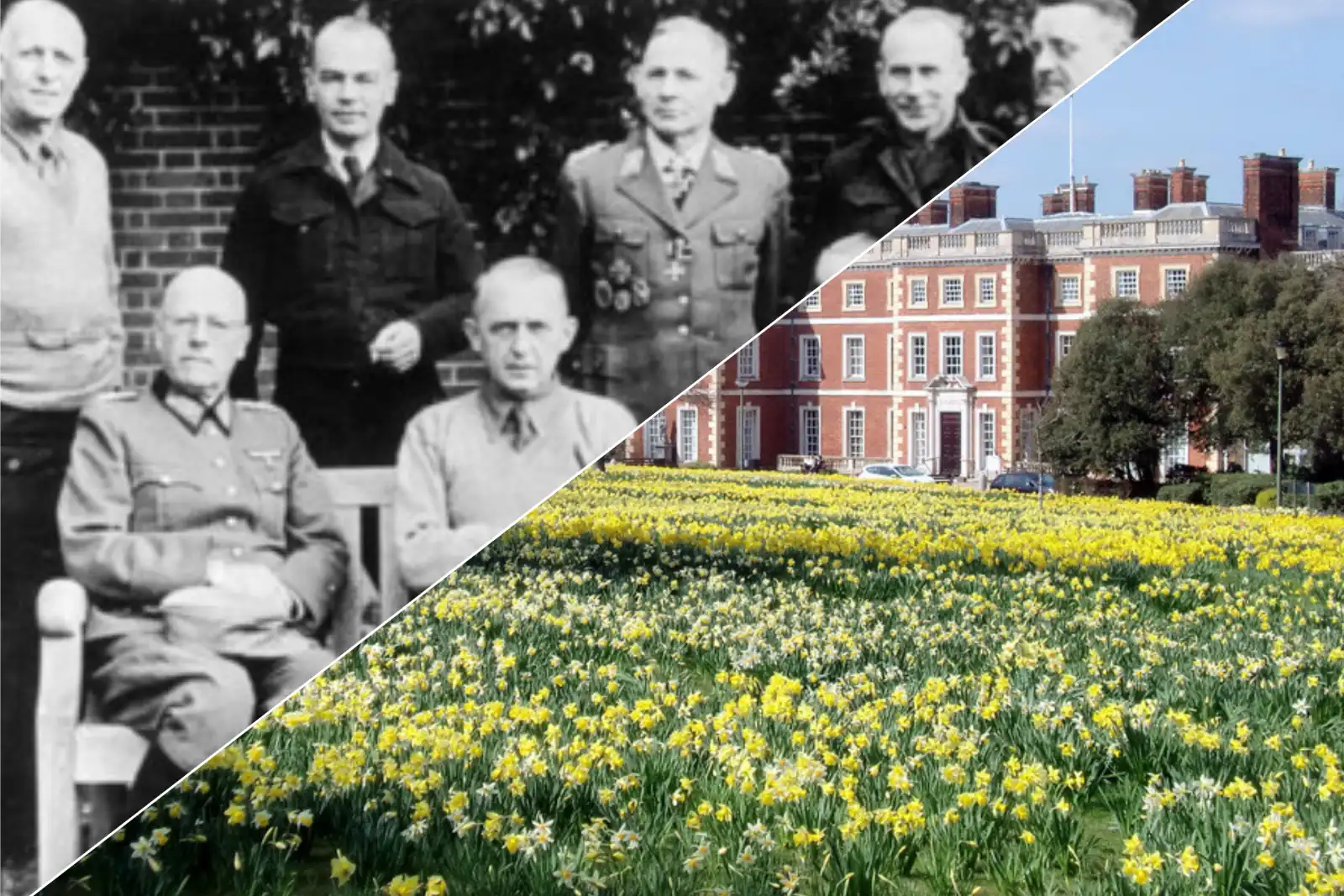
Before the war, Trent Park had been the complete opposite of a detention center. Its owner, the politician and collector Sir Philip Sassoon, had turned it into a neogeorgian-style residence filled with antiques, Chinese wallpapers, and works by artists like John Singer Sargent. Figures such as Charlie Chaplin and Winston Churchill had passed through its halls. Sassoon died in June 1939, and shortly after, the British government requisitioned the property for a completely different use.
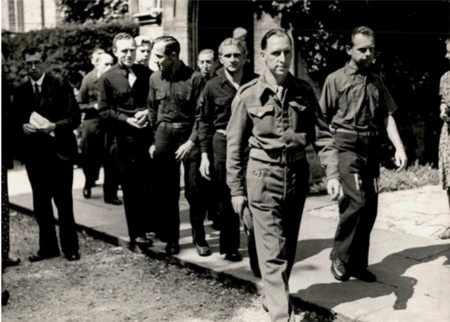
Thomas Kendrick, a key figure in British espionage, had already tested hidden microphone systems with prisoners of war. He saw Trent Park as the ideal setting to expand that technique. Between 1942 and 1945, 84 generals and 22 lower-ranking officers passed through there. The key to the plan was that the place did not resemble a conventional prison at all.
Microphones underfoot
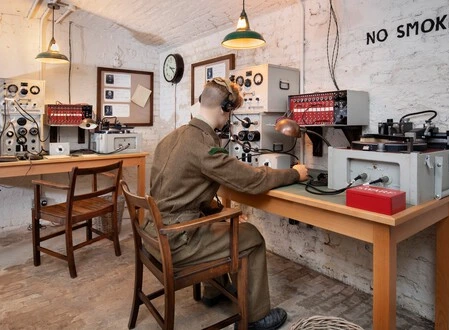
While the generals chatted calmly on the upper floors, the entire house was wired. There were hidden microphones in flower pots, lamps, pool tables, and rooms. Even the gardens and some trees were set up to capture conversations. The wires led to secret rooms in the basement, where the so-called “secret listeners” worked in shifts day and night.
The prisoners had been warned that they could be spied on, but the deception worked so well that two of them even commented that the mansion clearly was not being monitored, because if it were, they would have noticed. The strategy of treating men accustomed to privilege as if they were still important proved extraordinarily effective.
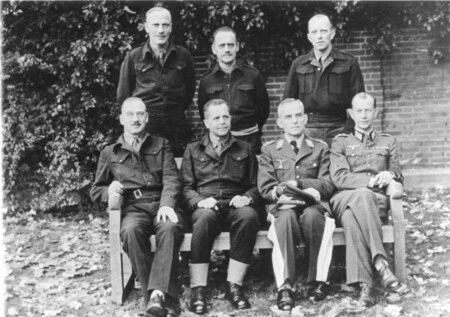
The device was not limited to waiting for spontaneous chats. The British invented Lord Aberfeldy, a fictional Scottish aristocrat played by a young interrogation officer. The supposed lord presented himself as responsible for the well-being of the prisoners and feigned some sympathy for Hitler to gain trust and provoke confidences that the microphones immediately picked up.