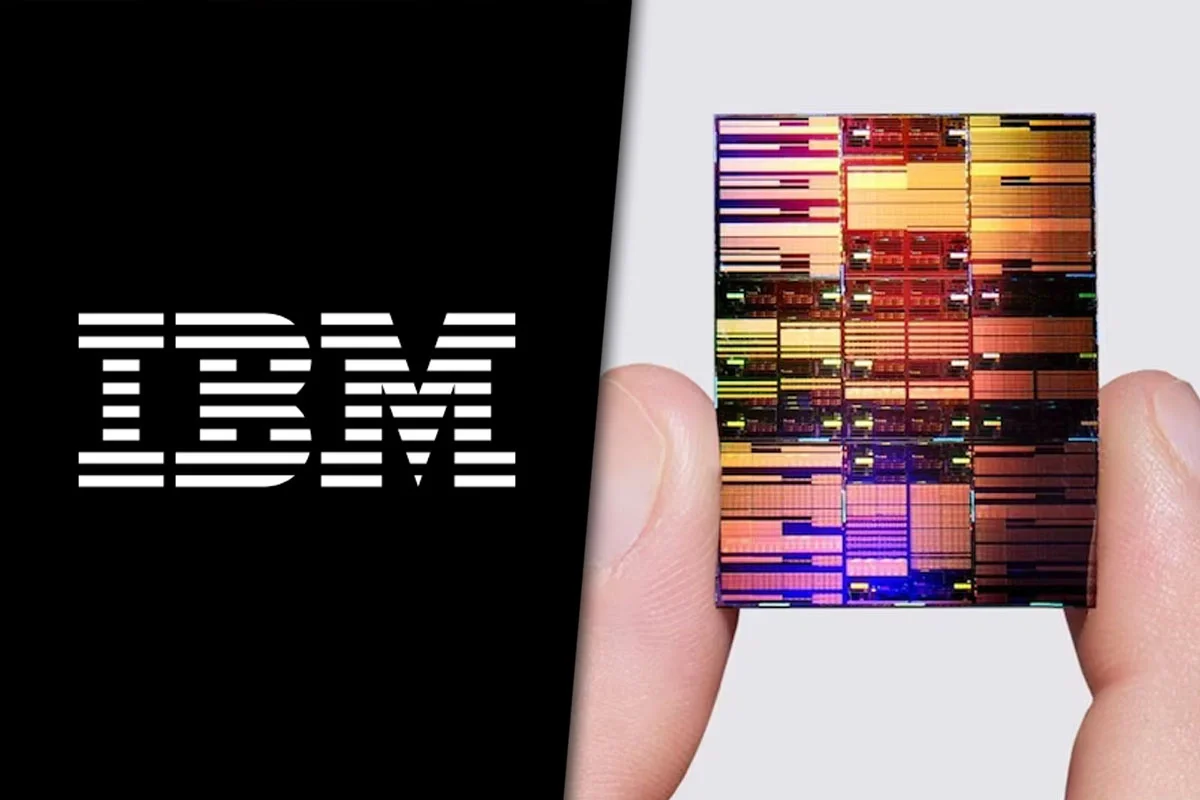

IBM unveiled a chip smaller than 1 nanometer with 100 billion transistors

IBM unveiled a chip smaller than 1 nanometer with 100 billion transistors
IBM creates a 0.7-nanometer chip that promises to change the future of processors

IBM unveiled a chip of less than 1 nanometer with 100 billion transistors and up to 70% more efficiency

Share:

IBM announced a chip of less than 1 nanometer based on a new three-dimensional architecture. The development promises improvements in performance and energy efficiency, although mass production is projected to begin in the next five years.

The new processor reaches a size of 0.7 nanometers and concentrates nearly 100 billion transistors on a surface similar to that of a fingernail. The company believes this technology can be used in CPUs, GPUs, and other processors.
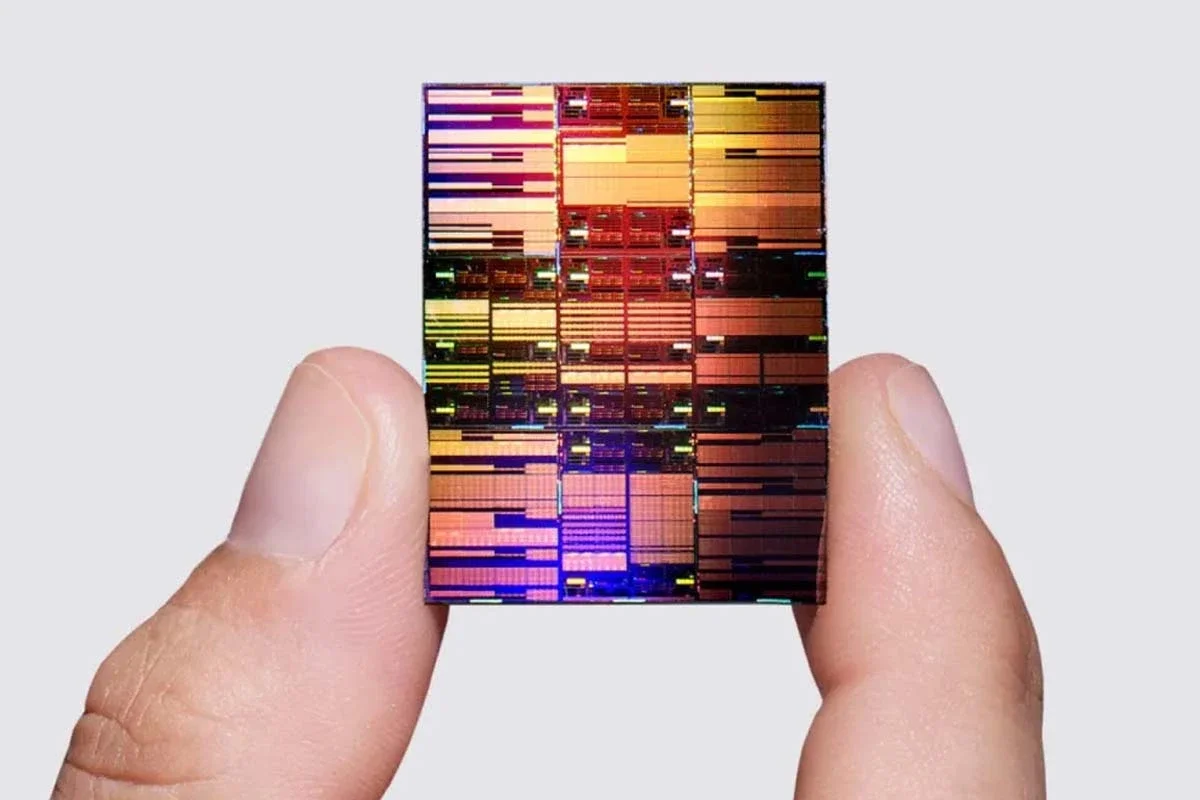
IBM announced a chip of less than 1 nanometer

What the new chip of less than 1 nanometer from IBM is like

The new chip of less than 1 nanometer uses an architecture called Nanostack, developed from Nanosheet technology, currently present in 2 and 3 nanometer chips.

The main difference is that the transistors are stacked and staggered vertically using a simple dielectric link. Additionally, they incorporate a new system to manage electrical current and renewed materials to control the flow of electricity.

In this architecture, the transistors are no longer completely surrounded as they are with Nanosheet, but receive electrical power independently from the front and back.
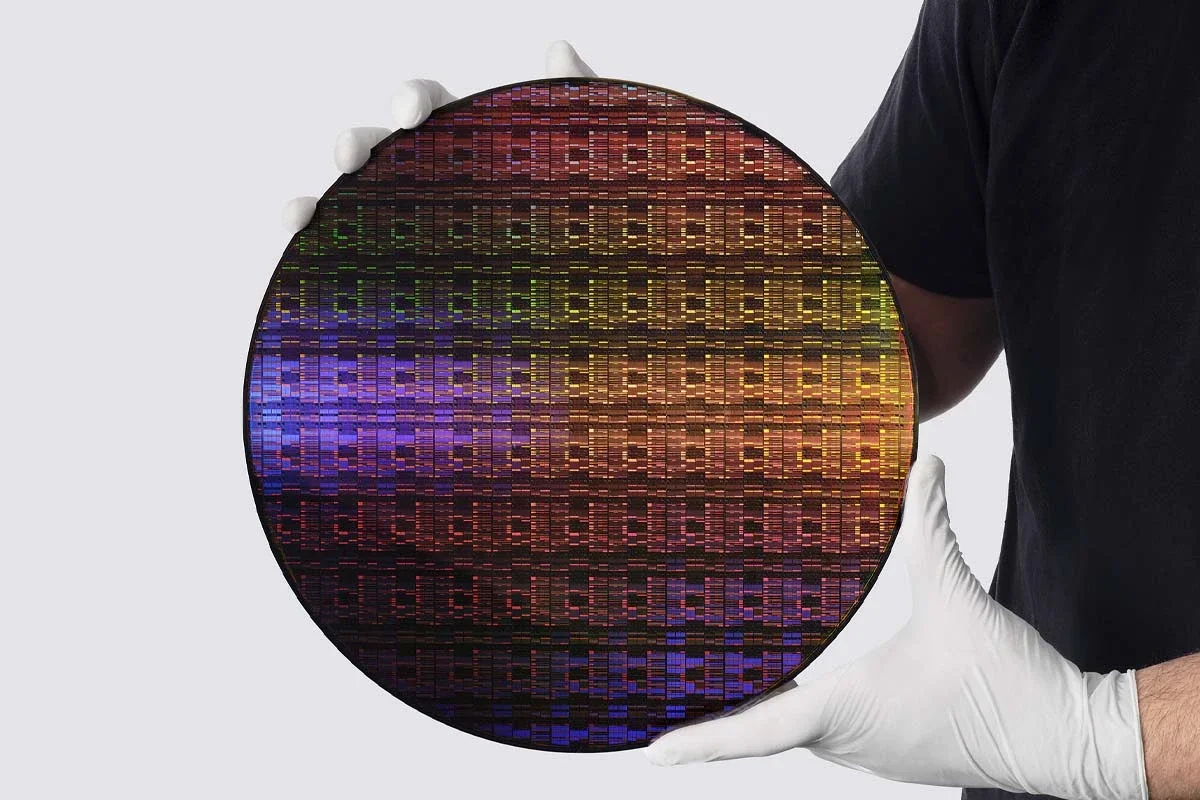
How is IBM's new chip of less than 1 nanometer

What performance the new IBM chip offers

Thanks to this design, IBM managed to manufacture a 0.7 nanometer chip, equivalent to 7 angstroms.
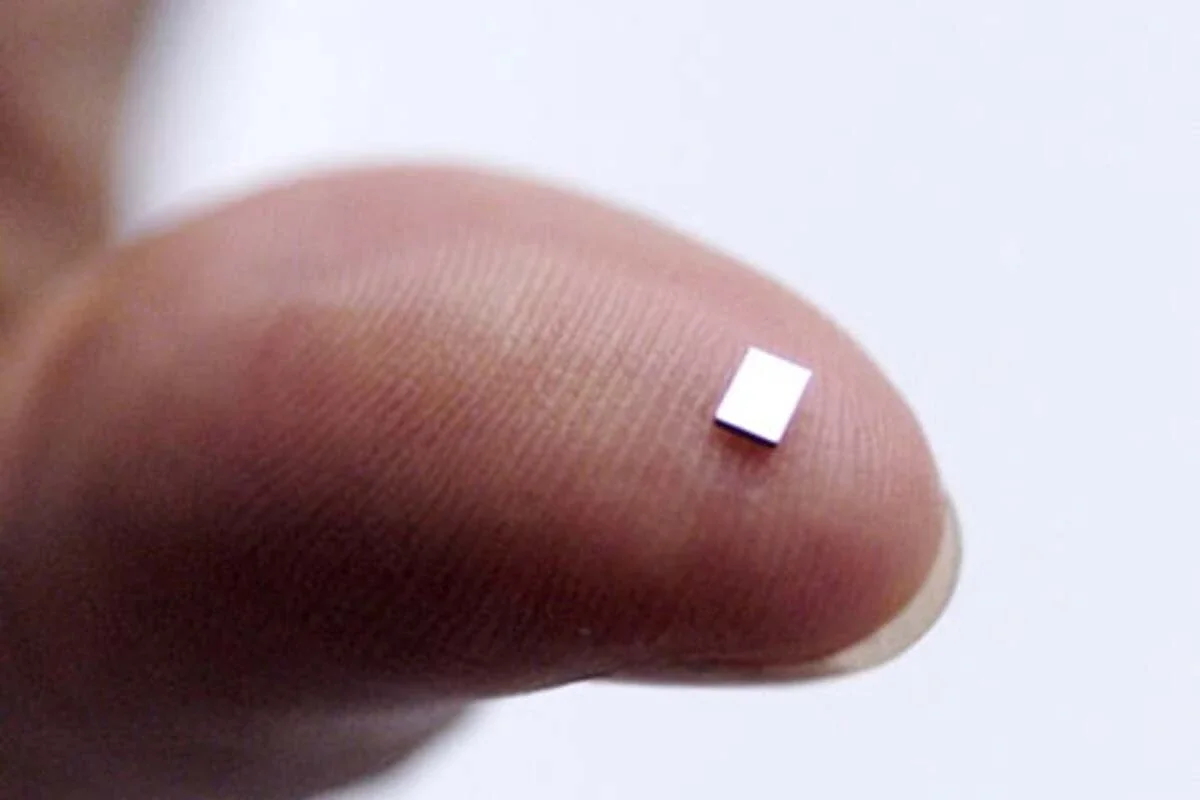

According to the company, the processor incorporates nearly 100 billion transistors, practically double the density achieved by the 2 nanometer chip presented in 2021.

What performance does the new IBM chip offer

The advancement also represents a 50% improvement in performance and a 70% reduction in energy consumption compared to that generation.

What this technology can be used for

IBM indicated that this new architecture can be applied in different types of processors, including CPUs, GPUs, and other specialized chips.

The company claims that the development will enable the creation of smarter devices and data centers with greater energy efficiency.

What could this technology be used for

When will the production of the chip of less than 1 nanometer begin

Although the development has already been presented, IBM clarified that it still needs to refine the architecture before starting its manufacturing.

The company's roadmap anticipates that production could begin, at a minimum, within the next five years, with the goal of promoting the mass adoption of this technology.