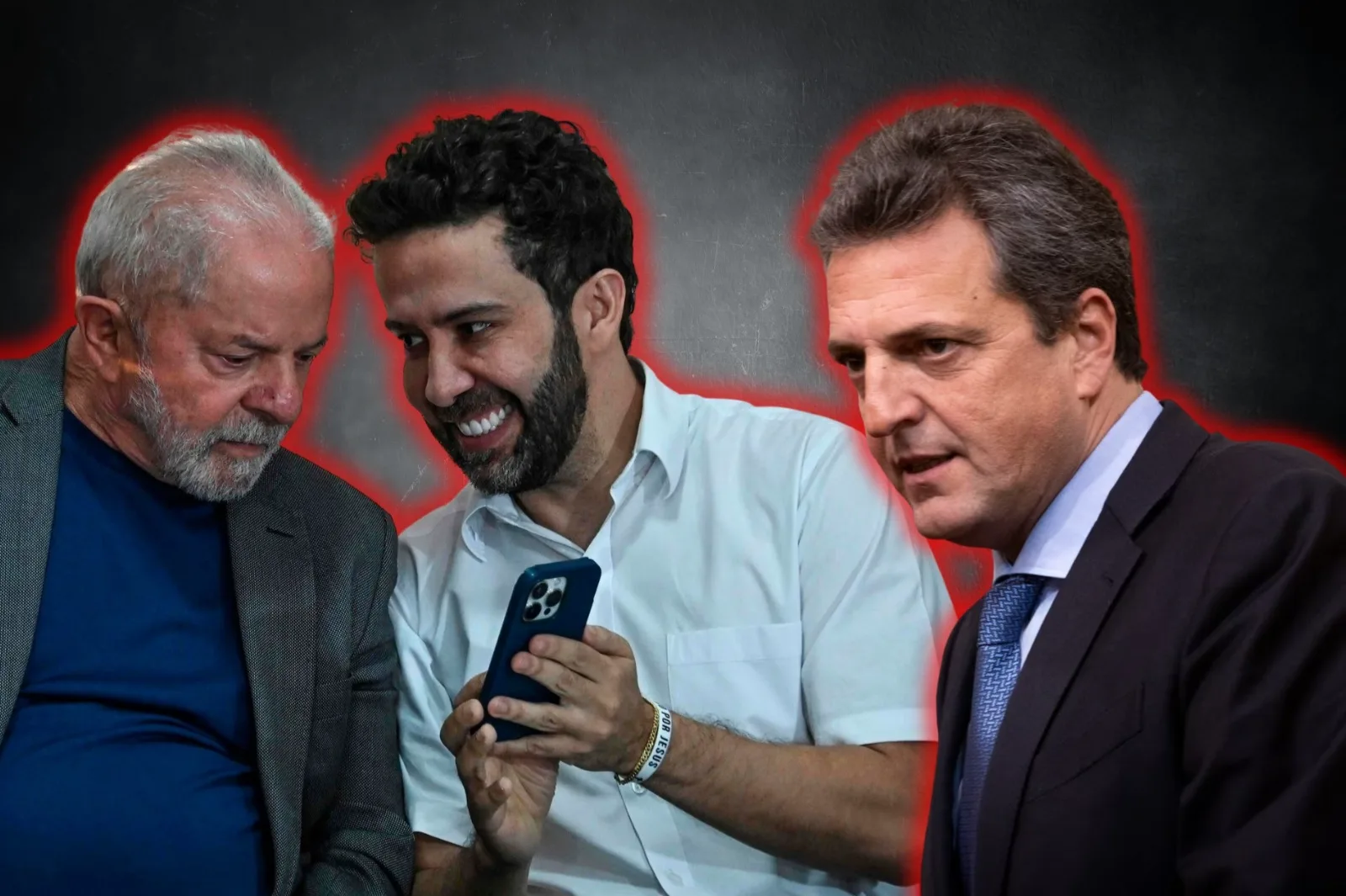
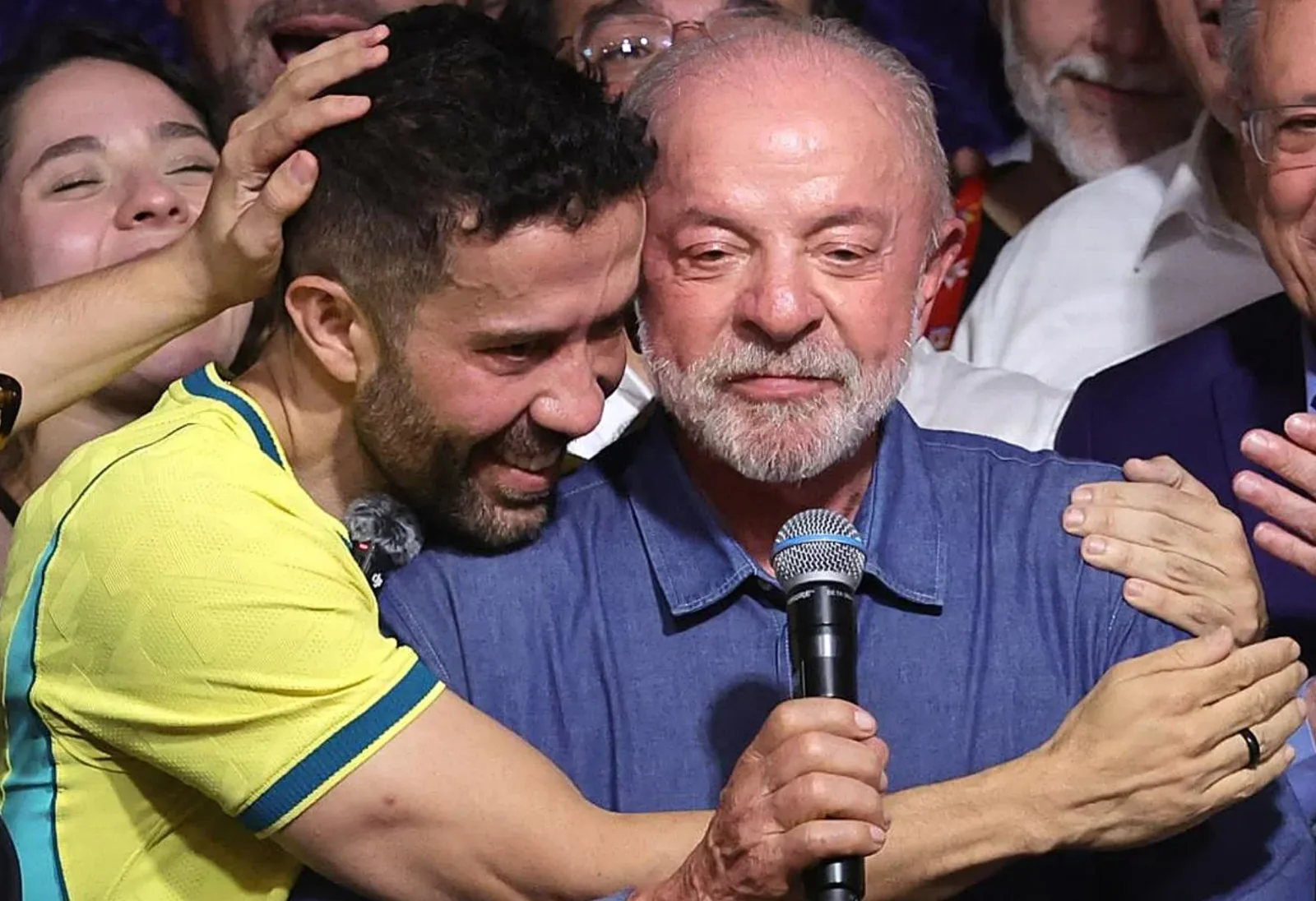
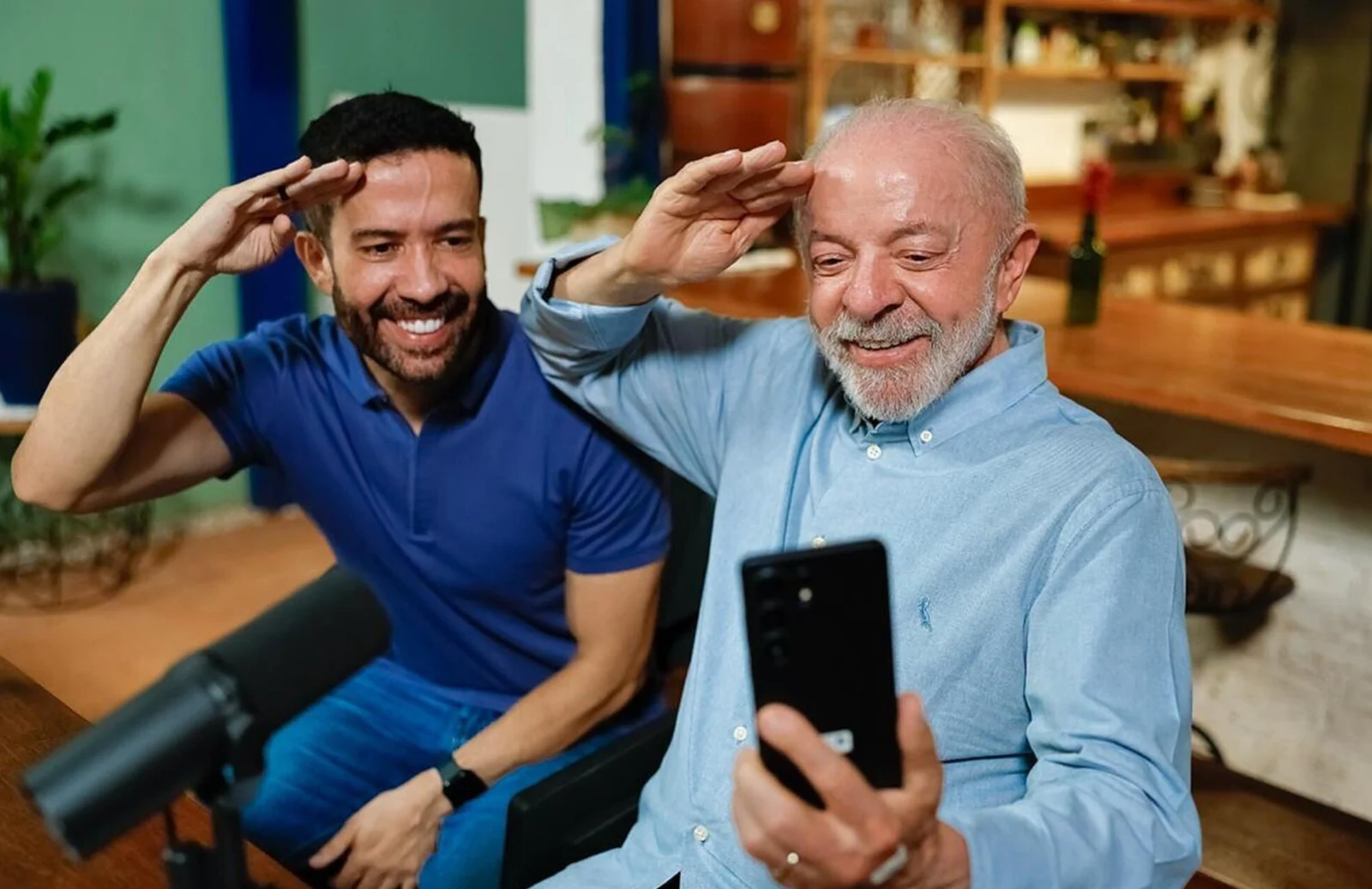
The Brazilian strategist will hold meetings with the former Minister of Economy and Argentine political advisors to bring to the country the digital strategies that were key in the campaign that brought Lula back to power in 2022
The result expressed a strong electoral rejection of the direction taken by the Peronist government and opened a new political stage in Argentina.
The arrival of Milei to the presidency modified the scenario and forced Peronism to rethink its strategy. However, far from having resolved its leadership problems, the space still faces disputes among its main leaders.
Massa aims to regain a central place on that board, although his projection towards 2027 coexists with the aspirations of Axel Kicillof and the internal differences of Kirchnerism.
In this context, Brazilian advice can also be interpreted as an attempt to build a personal structure and regain prominence within a fragmented opposition.
Peronism seeks a formula to confront Milei on social media
The choice of Janones is not casual. The Brazilian government managed to develop a digital communication structure that has become a reference for various leftist political movements.
The experience is of particular interest to Argentine opposition sectors because Milei built much of his political identity on social media, direct communication, and a strong digital presence.
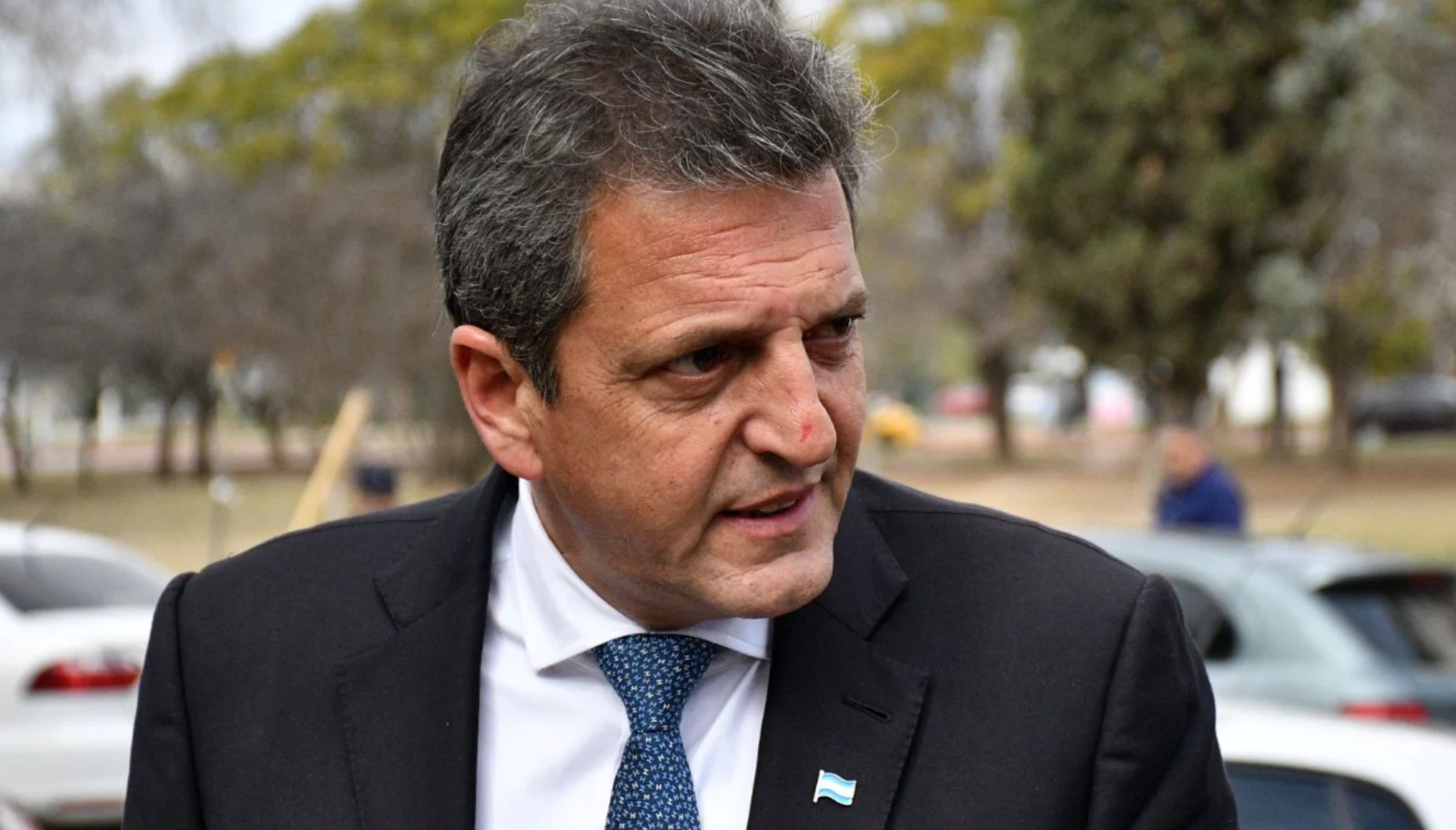
Sergio Massa looks towards the Casa Rosada again. Almost four years after the election that left him out of power and crowned Javier Milei as president, the former Minister of Economy is already beginning to prepare his strategy to try to compete again in 2027. For this, he has decided to resort to a formula known within the Brazilian political universe: importing specialists in electoral communication and transferring the digital model used by Luiz Inácio Lula da Silva to the Argentine stage.
According to the Brazilian newspaper Folha de S.Paulo, André Janones has arrived in Argentina to meet with Massa and discuss the adaptation of the social media mobilization strategies used during the Brazilian presidential campaign. Publicists Rafael Marroquim and Chico Kertész, linked to Lula's communication team, will also participate.
The news brings back to the table the early movements of the former minister, who, after having led the Ministry of Economy during a period of strong economic imbalances, seeks to rebuild his political space and re-establish himself as a presidential alternative.
The political data is significant: Massa not only intends to reorganize Peronism but is already seeking international assistance to design the communication for his next electoral attempt.
The inflation minister now seeks to import a Brazilian recipe
Massa's presence in the electoral setup for 2027 raises questions about the priorities of a leader who was responsible for the Argentine economy before Milei took office.
During his management at the Ministry of Economy, Argentina faced an annual inflation rate of 211.4% in 2023, according to official data from INDEC. It was one of the periods of greatest deterioration in purchasing power in recent decades and one of the central precedents of the presidential election that ended with the victory of La Libertad Avanza.
The minister of inflation now seeks to import a Brazilian recipe
Now, the former minister seeks to reposition himself politically through a strategy that, at least in this initial stage, has a strong communicational component.
Instead of presenting a new economic program or explaining what he would change regarding his previous time in government, the movement that has publicly emerged is related to the incorporation of specialists in political marketing and digital organization.
The inevitable question is what Massa has to offer after his experience at the helm of the Argentine economy and what assessment he makes of that management.
Janones, the man behind the "Lula Army"
André Janones is a well-known figure within the Brazilian political ecosystem for his prominence in the digital communication of the Workers' Party.
His main tool was the so-called "Lula Army," a WhatsApp channel that surpassed ten million members and functioned as a structure for the mass distribution of political content during the presidential campaign.
The mechanism consisted of organizing participants, distributing messages, and promoting coordinated actions to multiply the presence of certain content on digital platforms.
Janones, the man behind the “Lula Army”
The strategy also included a strong emphasis on impactful messages, discursive confrontation, and the constant circulation of political material.
This is precisely the model that now sparks interest among sectors of Argentine Peronism seeking to reorganize to electorally confront Milei.
Janones has become one of the references of that communication scheme, and his experience has begun to be observed by leftist groups from different countries.
However, one thing is to achieve millions of interactions, and another very different is to build a political proposal capable of convincing citizens. The reach of a digital structure does not, by itself, constitute a demonstration of electoral support.
The defeat of 2023 still weighs on Massa's project
Massa's return to the presidential discussion has an antecedent that cannot be ignored: his defeat against Javier Milei in November 2023.
The then candidate of Unión por la Patria had reached the runoff after having been Minister of Economy for a good part of Alberto Fernández's administration. Despite winning the first round, he ended up losing the final election by a difference of almost twelve points.
The Argentine president turned that terrain into one of the main tools of his political construction, which is why Peronism is now seeking to develop mechanisms that allow it to compete in that space.
Peronism seeks a formula to confront Milei on the networks
The difference is that the challenge is not only to open WhatsApp channels or multiply publications. It also involves recovering credibility, rebuilding a political identity, and explaining what economic alternative a space that has just left government after a period of strong imbalances intends to offer.
The incorporation of foreign specialists can provide technical tools, but it does not resolve those underlying problems.
An early campaign while the internal struggle remains open
Another aspect that permeates Massa's setup is the dispute for opposition leadership.
Axel Kicillof appears as one of the main internal competitors for the leadership of Peronism, while Kirchnerism maintains its own structure and influence over the decisions of the space.
The possibility of Massa running again as a presidential candidate forces consideration of those tensions, especially since there is still no agreement on who should lead the opposition in 2027.
The former minister seeks to gain ground before that discussion reaches a conclusion. The incorporation of Janones and the Brazilian publicists is part of that movement.
In other words, the electoral reorganization is already underway, although there is still no common political definition regarding the project that Peronism intends to present to society.
The return of the usual names
The meeting between Massa and Janones exposes one of Peronism's main bets for the next electoral round: to rebuild its communication structure, regain presence on social media, and find a formula to contest the political scenario that Milei has managed to modify since his arrival in power.
Massa, who already had his chance at the head of the Ministry of Economy and lost the 2023 presidential election, is preparing for his return. This time he intends to do so with Brazilian advice and a digital strategy inspired by Lula's model.
Janones, for his part, arrives to contribute his experience in a communication machinery that the Brazilian government considers an important tool for its campaigns.
But Argentine politics is not reduced to a competition of publications, WhatsApp groups, and viralization strategies. The main question for the former minister remains the same: how does he intend to convince Argentines again after having been one of the main economic responsible for the government that ended up defeated at the polls.
For now, while Milei continues at the helm of the Executive, Massa has already begun to prepare for his next presidential attempt. And to return to the Casa Rosada, he seems willing to seek help even beyond Argentine borders.