The Vice President of the United States assured that the Trump administration is maintaining contacts with Havana and stated that the future of the bilateral relationship will depend on the measures taken by the Cuban authorities
Despite the tensions, Vance's words suggest that the White House is still betting on a negotiated solution. The message was clear: if Cuba advances in reforms and adopts measures that Washington considers positive, a phase of greater cooperation could open. Otherwise, the United States retains the option to continue increasing pressure on a regime facing one of the most serious crises in its recent history.
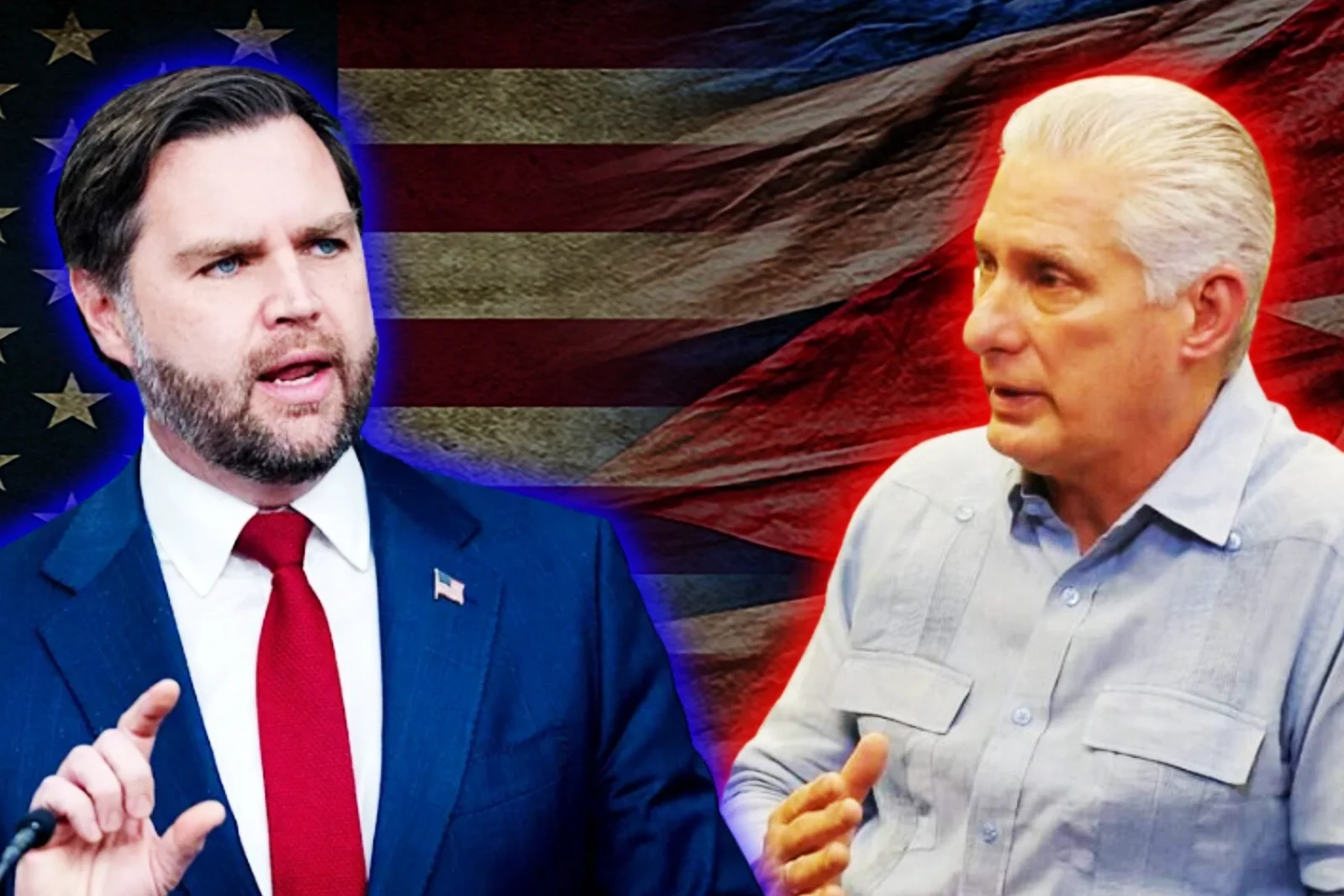
U.S. Vice President JD Vance urged the Cuban regime of Díaz-Canel to make “smart decisions” as talks continue between Washington and Havana about the future of the island. His statements reflect the pressure and negotiation strategy that the Donald Trump administration has been developing amid the deep economic and energy crisis that Cuba is experiencing.
During a press conference, Vance stated that the United States wants the Cuban people to thrive and improve their living conditions, but made it clear that the course of the bilateral relationship will depend on the decisions made by the Cuban dictatorship in the coming months. He explained that both parties are holding discussions about possible economic and political changes.
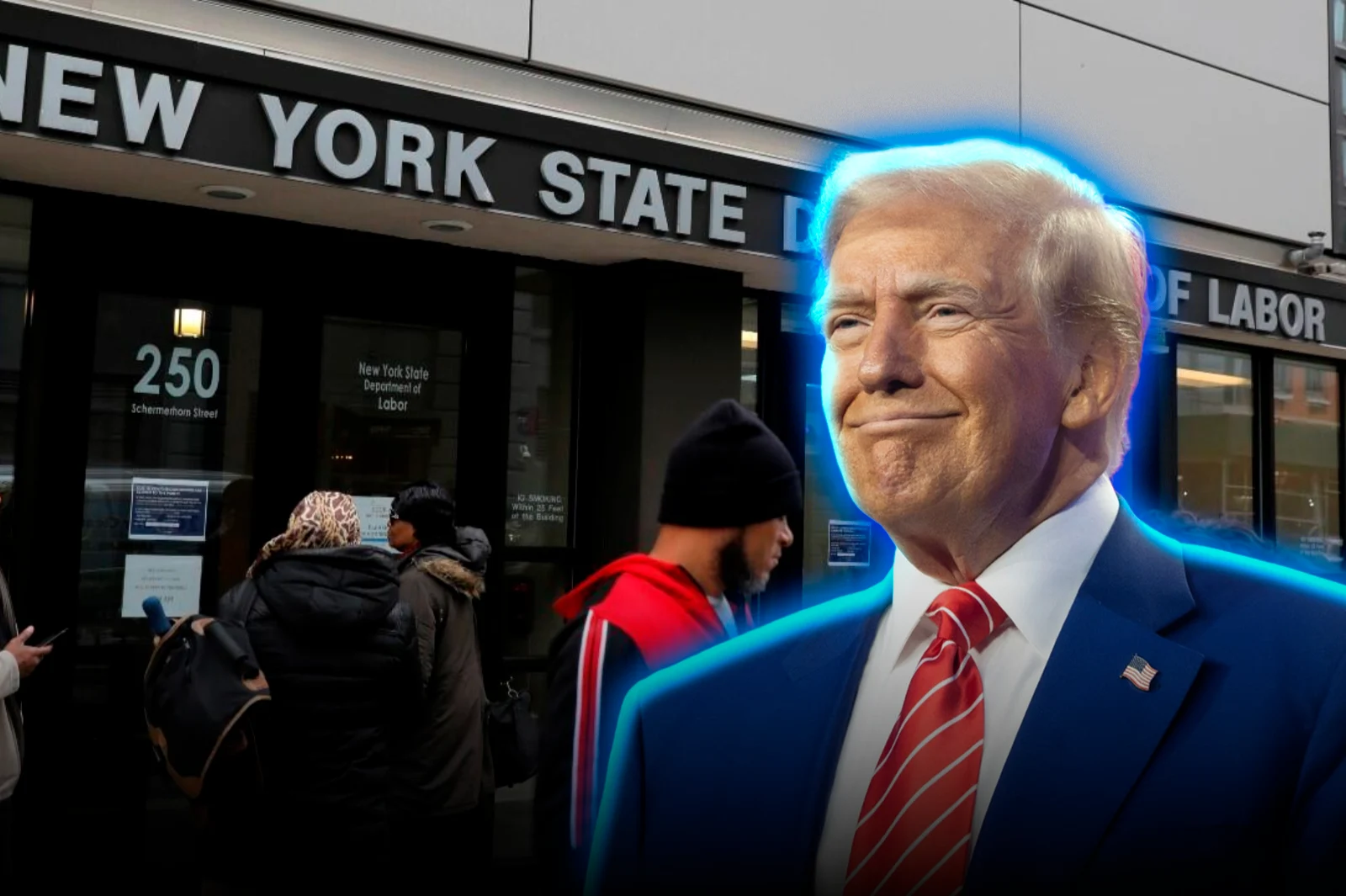
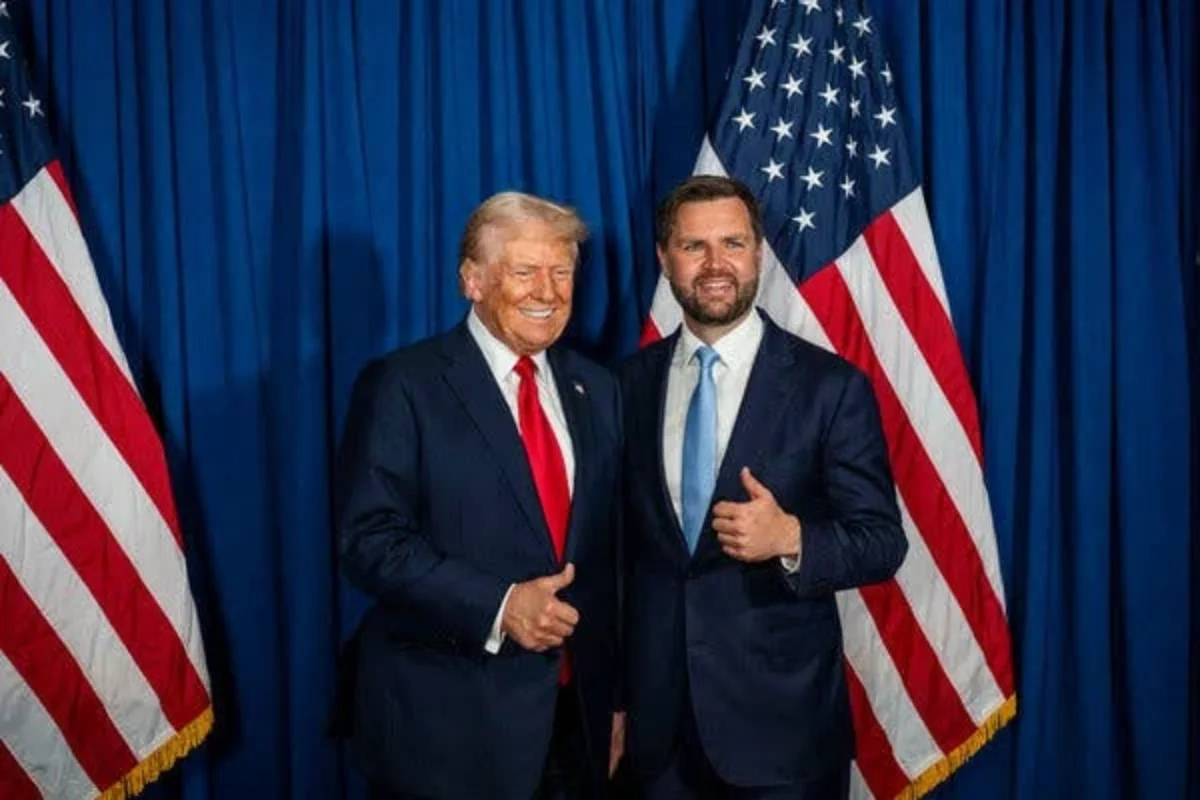
Donald Trump alongside JD Vance
The Vice President maintained that the current system in Cuba “has not worked” and pointed out that the island's economic situation is extremely delicate. He also reminded that the geographical proximity between the two countries makes Cuban stability a matter of direct interest for the United States, especially due to the impact that migration crises can have on Florida and other regions of the country.
Vance's statements come in a context of increasing contacts between Washington and Havana. In recent months, both Donald Trump and Cuban leaders have acknowledged the existence of talks between representatives of both governments to explore possible agreements and cooperation mechanisms.
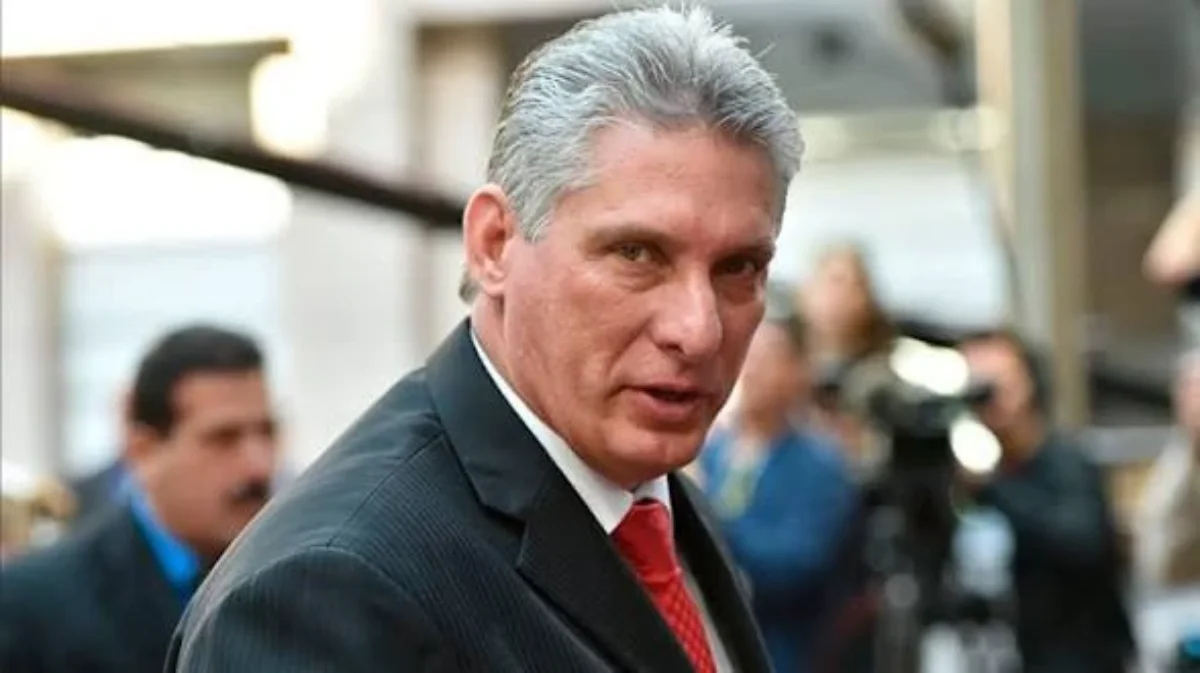
The Cuban dictator Miguel Díaz-Canel
However, negotiations are progressing alongside a policy of strong U.S. pressure. The Trump administration has tightened sanctions, pushed for energy restrictions, and demanded deep reforms in the Cuban political and economic system. Various reports also indicate that Washington is seeking significant changes in the island's power structure as a condition for moving towards normalization of relations.