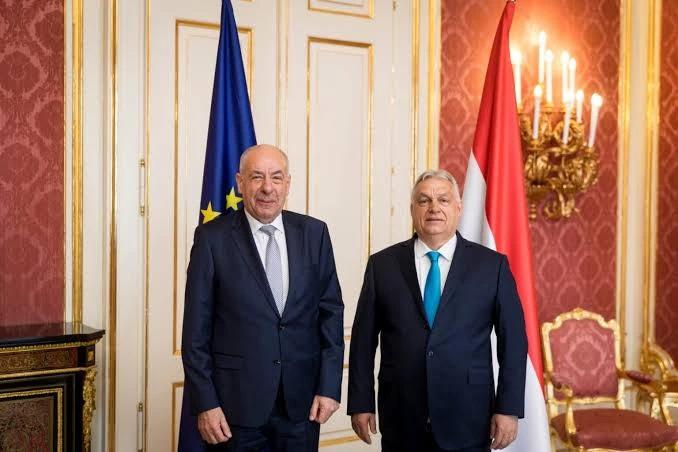







Following Sulyok's departure, the presidency is temporarily in the hands of the Speaker of Parliament, while the Constitution sets a deadline of up to 30 days for the National Assembly to elect a new head of State. However, Polgár's rejection forces the ruling party to seek another candidate for a position that, although it has mostly ceremonial functions, carries significant institutional weight.
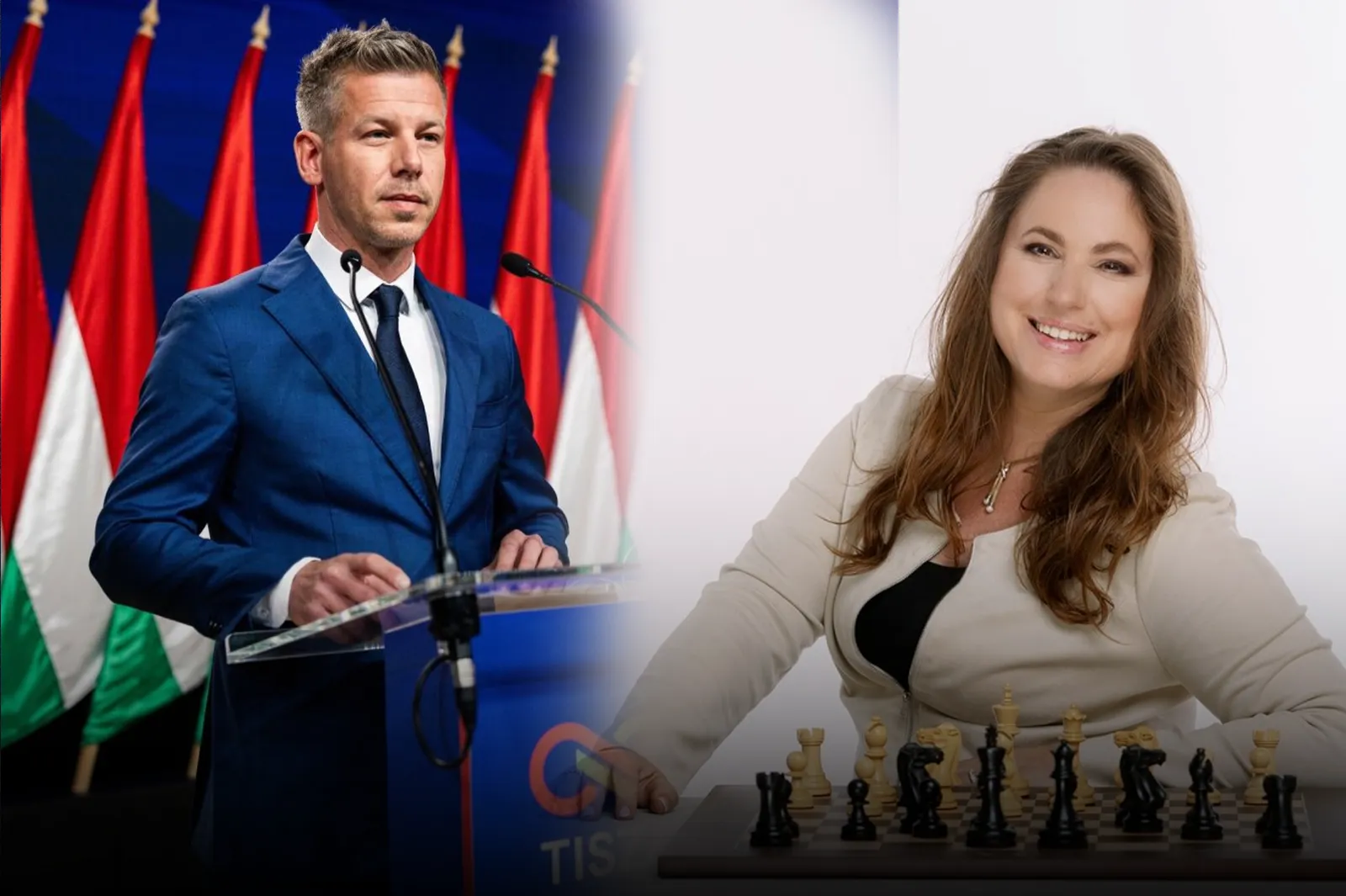
Prime Minister Magyar had presented the former chess player as a consensus figure capable of contributing to national reconciliation during the reform process driven by his government. Nevertheless, Polgár's decision represents a setback for the Executive at a time of strong political tension and debate over the scope of the constitutional changes approved in recent weeks.
While the Government maintains that the reforms aim to transform institutions following the change of administration, Sulyok's criticisms and the difficulty in finding a new president keep the political debate open in Hungary. With the country still without a definitive head of State, Parliament must proceed with the election of a successor within the timeframe set by the Constitution to end a period of institutional uncertainty.