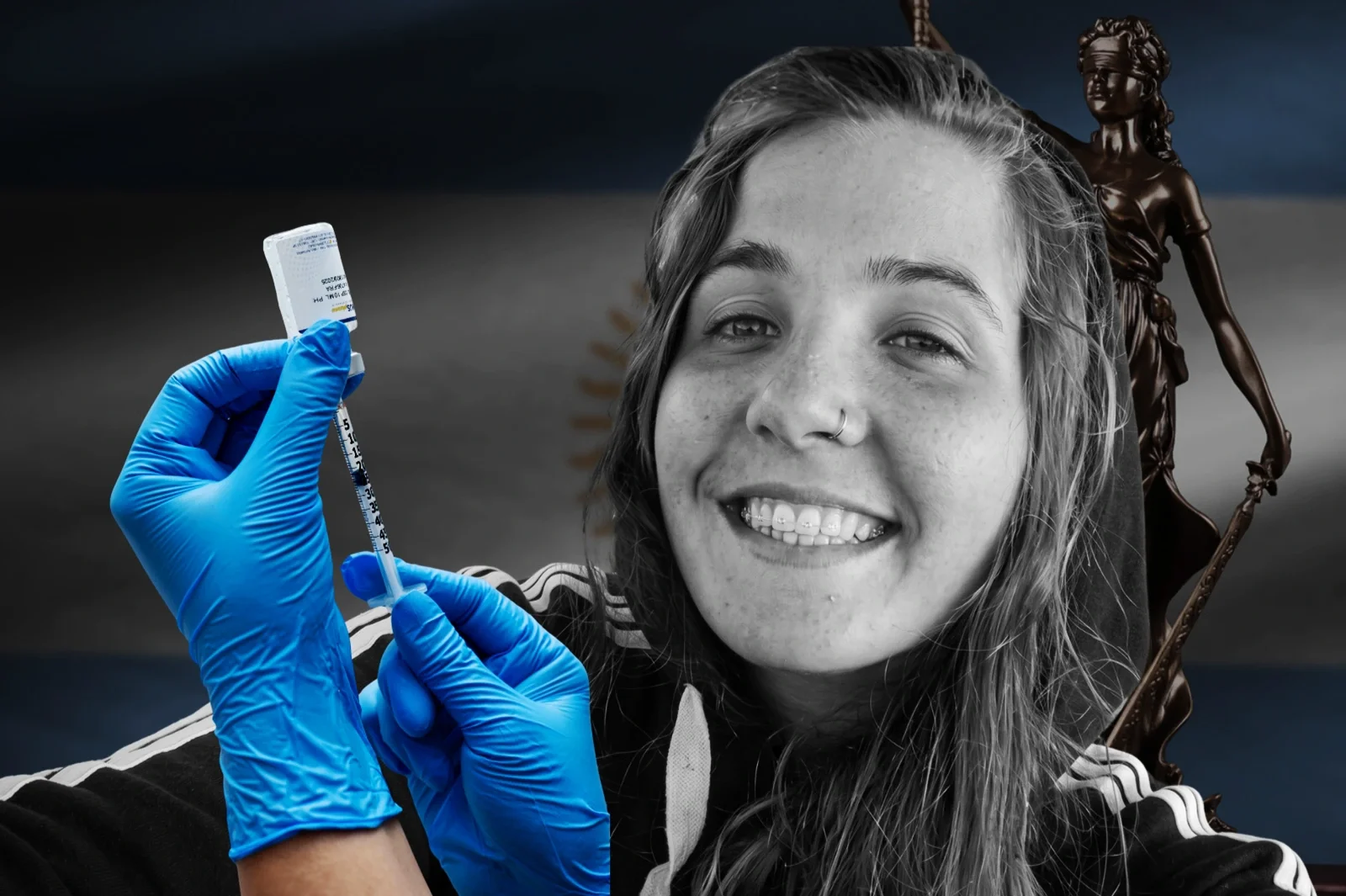
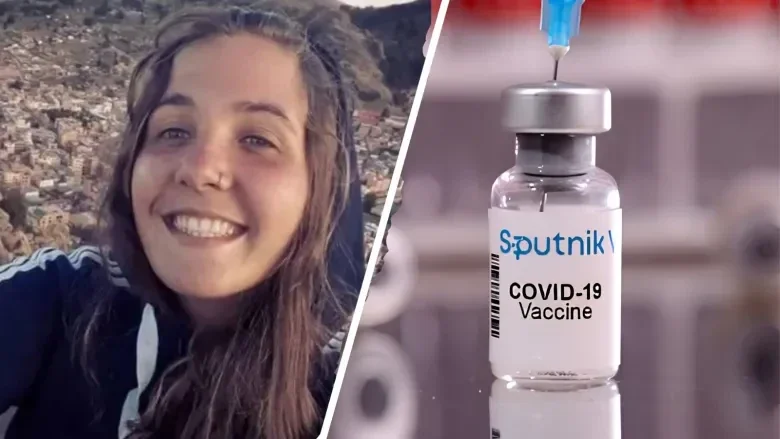
In a historic ruling, the Federal Court of Córdoba determined that the Sputnik V vaccine against Covid-19 caused the death of Melín Agustina Sartori, a 24-year-old woman with no medical history.
The resolution, which sets a key precedent, holds the national government responsible and orders the payment of a multi-million compensation to the family.
The decision was made by Chamber A of the Federal Court of Appeals of Córdoba, which ruled in favor of María Virginia Ruiz, the victim's mother. The court concluded that the death, which occurred on July 29, 2021, was a direct consequence of a thrombosis with thrombocytopenia caused by the first dose of the Russian vaccine.
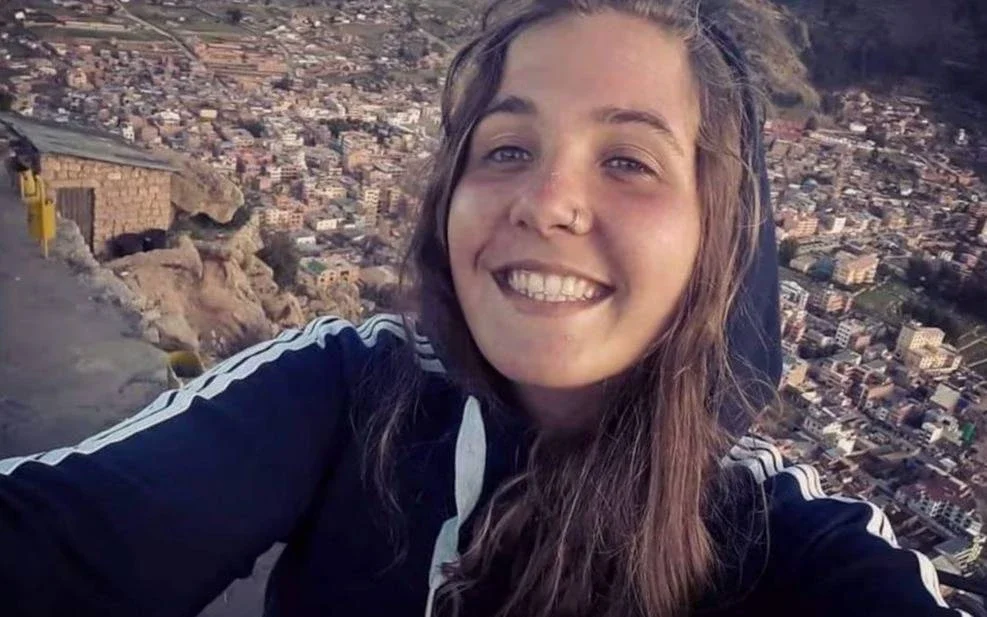
Melín Agustina Sartori, the victim.
The ruling, signed by judges Liliana Navarro, Graciela Montesi, and Eduardo Avalos, establishes that the Ministry of Health of the Nation must pay a compensation equivalent to 240 minimum retirement salaries, which represents approximately 95 million pesos.
The sentence was emphatic in its reasoning: "Based on the gathered evidence, it is possible to conclude that the event (the death of Sartori) is related to the administration of the Sputnik V vaccine".
Additionally, it orders the Ministry of Health to complete the pending administrative procedures within 30 days so that the family can access the compensation provided in the COVID-19 reparations fund of law 27.573.
The judicial process was lengthy and complex, largely due to the lack of similar precedents. “It was a novel process. It dealt with an issue that was not standardized,” explained Martín Barbará, the lawyer for the young woman's mother.
The lawyer also emphasized that “I understand this is the first,” referring to rulings against the State related to the consequences of Covid-19 vaccines.
Melín Agustina Sartori and the vaccine.
The victim of the Russian vaccine
Melín Sartori was a healthy young woman, athletic, and socially committed. Days before getting vaccinated, she had started a family business. On July 15, 2021, she received the first dose of Sputnik V and, six days later, began to present symptoms such as headaches and vomiting.
Her condition evolved rapidly. After several days of hospitalization, she developed a thrombosis with thrombocytopenia that led to irreversible neurological deterioration. Ultimately, she died two weeks after being vaccinated.
The ruling also considers a key piece of evidence a medical report from June 16, 2022, prepared by Dr. Susana Vanoni, who certified that “the clinical condition of the patient and her final evolution must undoubtedly be interpreted as an adverse event secondary to COVID-19 vaccination.”
Another determining element was the intervention of the National Commission on Vaccine Safety (CoNaSeVa), which reviewed the case and, in line with the evolution of international scientific consensus, reclassified the event, formally recognizing the causal link between the vaccine and the harm.
Throughout the process, multiple instances, studies, and delays were encountered until the Justice validated the reports from specialists who agreed that the thrombosis was induced by the vaccine.
The family's lawyer also highlighted a key point: the Sputnik V “did not have pharmacovigilance,” meaning it lacked continuous monitoring aimed at detecting, evaluating, and preventing adverse reactions.
The case was driven from the outset by the young woman's mother, who also sought to bring visibility to what happened. Ultimately, the Justice validated the existence of serious adverse effects and, in this case, fatal.
With this ruling, the Sartori case becomes a key precedent within the Argentine judicial system and opens a new chapter in the analysis of responsibilities related to the vaccination campaign against Covid-19.