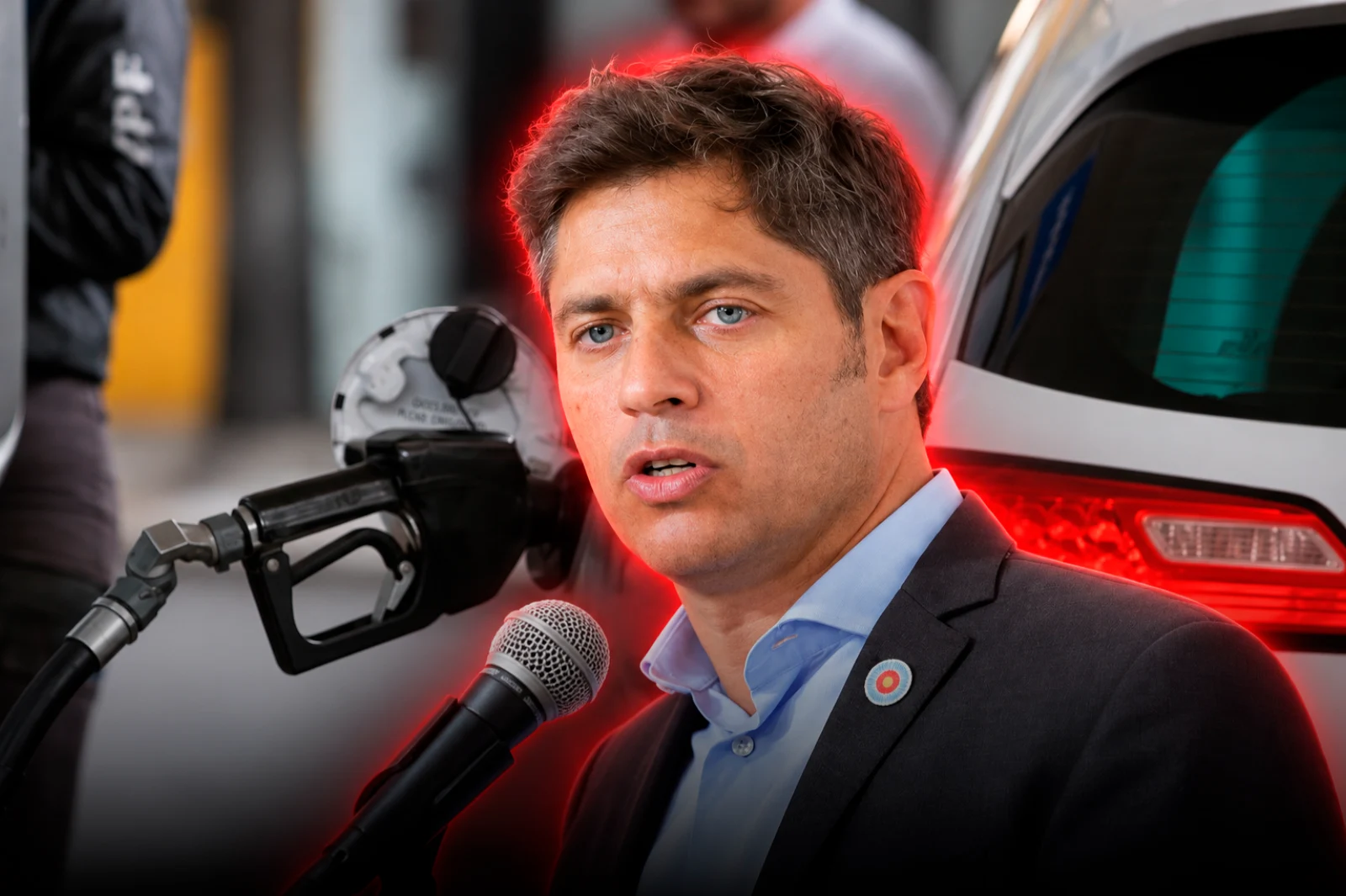

Kicillof promotes a bill that will cause fuel shortages in the province of Buenos Aires

Kicillof promotes a bill that will cause fuel shortages in the province of Buenos Aires

The Argentine Chamber of Energy rejected the initiative and warned that it will create supply problems throughout the province

Share:

The ultra-Kirchnerist governor Axel Kicillof seeks to approve a bill that will affect the functioning of the fuel market and generate a serious gasoline shortage in the province of Buenos Aires.

The initiative, driven by the Fuerza Patria deputy Ayelén Rasquetti, establishes that oil companies and service stations must inform with up to 24 hours' notice of any increase in fuel prices.

The proposal, which will be discussed in the Buenos Aires Legislature, has raised alarms in the energy industry. The Argentine Chamber of Energy (CADE) questioned the mechanism and warned that it could cause spikes in consumption before each adjustment, operational difficulties, and fuel shortages at pumps.
Service station.
Service station.

The project establishes that supplying companies must communicate price changes to provincial authorities, both individual and accumulated over the last five consecutive days. The obligation would apply to increases exceeding 1% and would require publishing notices on signage, pumps, and digital channels.

The initiative also includes a penalty regime. For oil companies, fines could reach the equivalent of 150,000 liters of super gasoline, in addition to suspensions of licenses in case of repeat offenses. Service stations, for their part, would face penalties of between 100 and 500 liters of fuel and possible preventive closures.
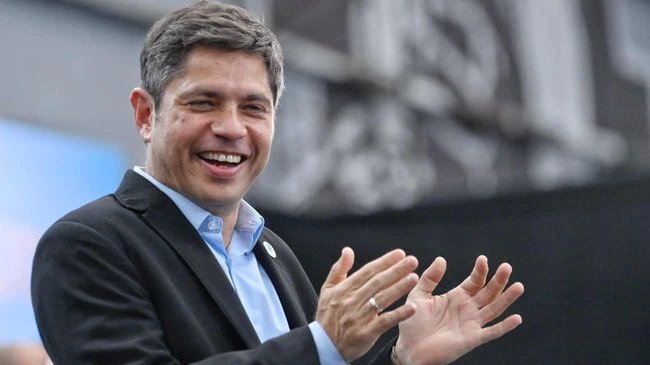
Axel Kicillof.
Axel Kicillof.

Fuel Shortage in the Province

CADE criticized this project and argued that prices can already be checked through signs, apps, and social media. Additionally, stations continue to report their prices to the National Energy Secretariat.

In a statement, the entity maintained that the initiative “is redundant in light of the current framework, harms consumers, and would add greater costs and bureaucracy without achieving any improvement in transparency.”

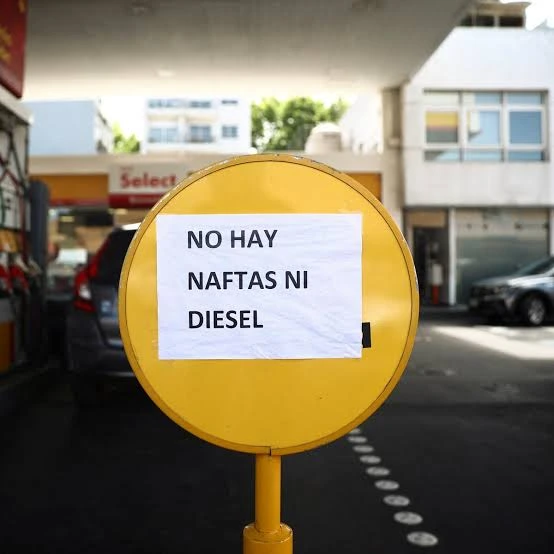
However, the main concern of the sector is related to the consequences that the mandatory advance notice could have on fuel availability.

Fuel shortage.
Fuel shortage.

As they explained, when consumers know in advance that there will be a price increase, they can concentrate their purchases before the new price takes effect, which would create a strong demand that would leave many stations without fuel.

The problem also arises when stations must decide how much fuel to dispatch during those prior hours. “If you have to notify 48 hours in advance that you are going to increase, the consumer will go to fill up before the increase. But the station operator knows that in 48 hours they will sell it at a higher price, so they won't fill you up,” industry representatives pointed out.

The chamber also warned that the regulation could create inequalities compared to other jurisdictions. Stations located near the province's borders would be at a disadvantage against competitors from neighboring districts, where the same obligation would not exist.

CADE has already presented its objections to the Buenos Aires Legislature. For now, the Kirchnerist project remains under discussion and the current marketing regime has not been modified.