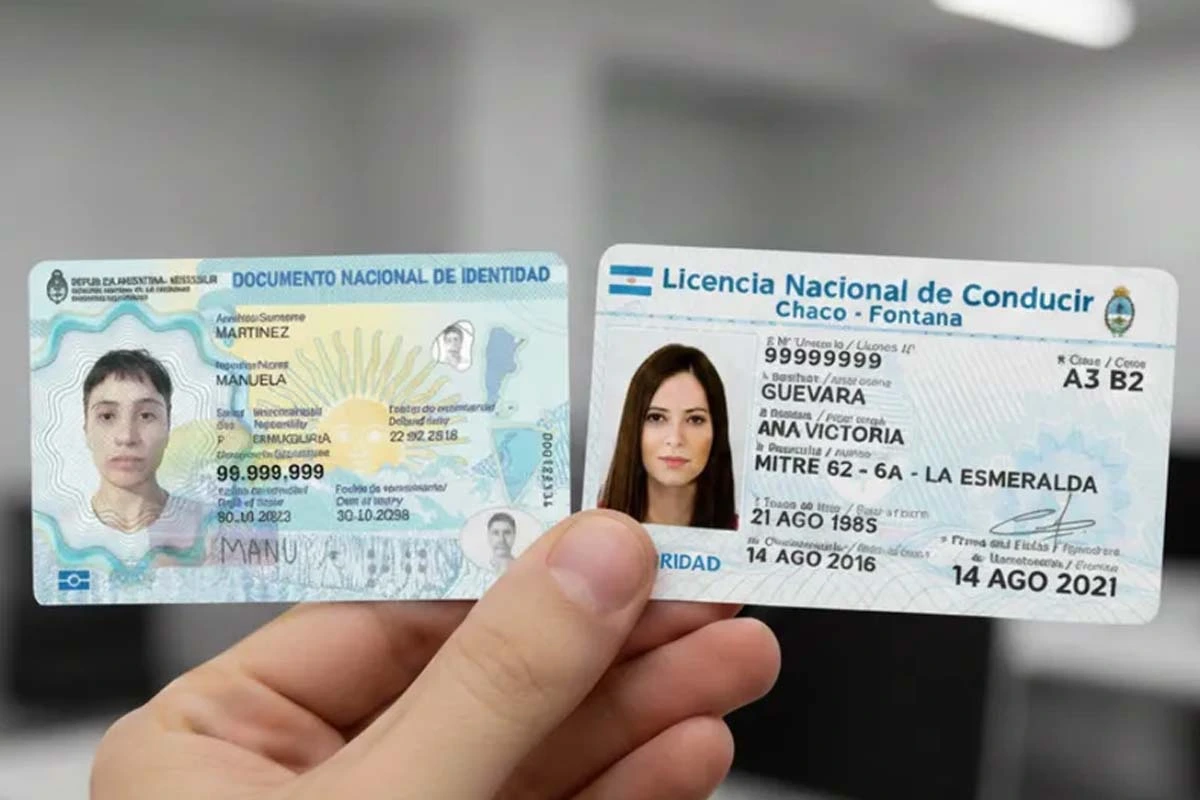
The image of the document contains information such as full name, ID number, date of birth, photograph, and address. This data can be used in identity theft attempts.
Why do cybercriminals ask for a photo of the ID?
The risk increases when the information obtained is combined with other personal data acquired through various scams or leaks.
Therefore, providing a copy of the ID can amplify the consequences of the fraud beyond the initial payment requested.
Providing a copy of the ID can increase the consequences
What to do if you paid or sent your ID in the scam
If you made a payment through the fake site, contact your bank, card, or virtual wallet immediately. Report what happened and ask if there is any possibility of blocking or reversing the transaction.
It is also important to keep the received email, screenshots, messages, and payment receipt. This information can be useful for filing a complaint and managing the corresponding claim.
If you sent a copy of your ID, increase monitoring of your accounts and financial products. You can also check with ARCA if there are any real notifications pending in your name.
What to do if you paid or sent your ID in the scam
The main recommendation is to avoid acting under pressure. Before paying, clicking, or providing personal information, verify that the supposed procedure exists through official channels.
ARCA warned about a new digital scam. The scheme uses fake emails that appear to be official communications. The messages inform about supposed international shipments being held and demand payment of fees.
In addition to money, cybercriminals seek to obtain personal data and a photograph of the victim's ID. In some detected cases, the amounts demanded are around $200,000.
ARCA warned about a new digital scam
How the scam impersonating ARCA works
The deception begins with an email that mimics the visual identity of ARCA. The criminals use logos, colors, and language similar to that of official communications.
The message warns that an international shipment has been held at customs. To release it, it demands payment of a supposed fee through a link included in the email.
Upon clicking, the victim arrives at a fake website that replicates the design of the official site. There, a form appears to enter personal information and complete the supposed payment.
How the scam impersonating ARCA works
Among the requested data are name, surname, CUIT, phone number, and address. The scheme also asks for a photo of the ID from both sides to supposedly verify the identity.
What signs allow you to detect the fake ARCA email
The combination of urgency, request for money, and request for documentation is one of the main warning signs. It is also important to carefully check the address of the site to which the message directs.
What signs allow you to detect fake ARCA emails
Cybercriminals may use pages with addresses similar to the official ones. An alternative domain, modified letters, or added hyphens can indicate that it is a fraudulent site.
Do not click on links received by email if you have not verified their origin.
Do not send photos of your ID through forms linked to suspicious messages.