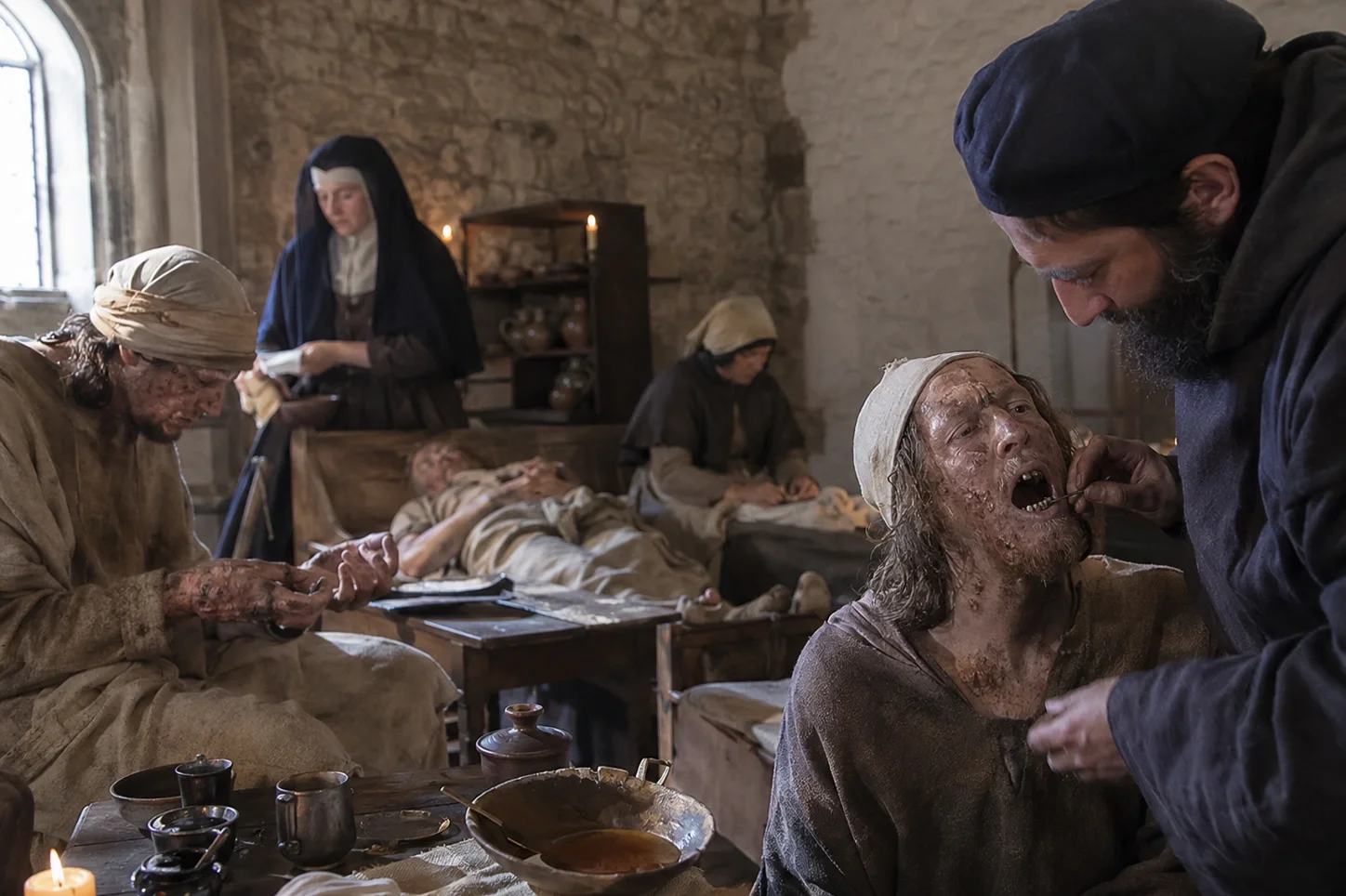

Mercury detected in the teeth of medieval lepers reveals how they were treated 900 years ago.

Mercury detected in the teeth of medieval lepers reveals how they were treated 900 years ago.

Most read in Argentina

The SIDE is out to seek new talents in universities and aims to strengthen national intelligence

  1. Yanina Latorre revealed how Julieta Prandi may have discovered Emanuel Ortega's cell phone password

  2. Justice will intervene APTRA after Marcelo Polino's complaint

  3. Islam is a threat: what are the terrorist cells that attacked Argentina?

  4. 4,000-year-old dog tracks appear on bricks in an Anatolian settlement

Imagen de Editorial Team
porEditorial Team
Argentina

Researchers analyzed remains from medieval leper hospitals in England and France and found elevated levels of mercury.

Add La Derecha Diario on
Share:

The use of mercury as a medical treatment in the Middle Ages left traces that can today be read in teeth. A team led by Elena Fiorin from the Sapienza University of Rome detected elevated levels of this toxic metal in dental calculus samples taken from individuals buried in ancient leper hospitals. The finding allows for the reconstruction of medieval therapeutic practices and opens a new avenue to study how diseases such as leprosy and syphilis were treated.

The research focused on human remains from two European leprosariums: Peterborough Abbey in England, founded in 1125, and Saint-Thomas-d’Aizier in Normandy, France, built in the late 11th century. During the medieval period, mercury was used in ointments applied to the skin to treat diseases considered severe or stigmatizing. The presence of the metal in the analyzed remains suggests that some of these individuals received medical treatments while alive.

Dental calculus: a new window to study medieval treatments

Until now, studies on mercury exposure in human remains typically focused on bones, teeth, or hair. The novelty of this work is that the team analyzed dental calculus, a mineralized plaque that forms in the mouth during life and can preserve traces of substances incorporated by the body. This material acts as a biological capsule capable of providing complementary information about diet, environment, health, and medical treatments.

Fiorin explained the value of this methodology with a central phrase: “Dental calculus offers a new and complementary perspective.” She then detailed why this record can be so useful: “As it forms in the mouth during life, it can more directly capture substances that enter the body, including medical treatments applied in or around the mouth.” The quote highlights that dental calculus not only preserves food residues but also signals therapeutic practices.

The team also sought to rule out an alternative explanation: that mercury had entered the remains after burial. To do this, the researchers analyzed soil samples taken from the graves and compared the results with remains from individuals buried in cemeteries not associated with leprosariums in England and France. The comparison reinforced the hypothesis that mercury was incorporated during life and not from later contamination.
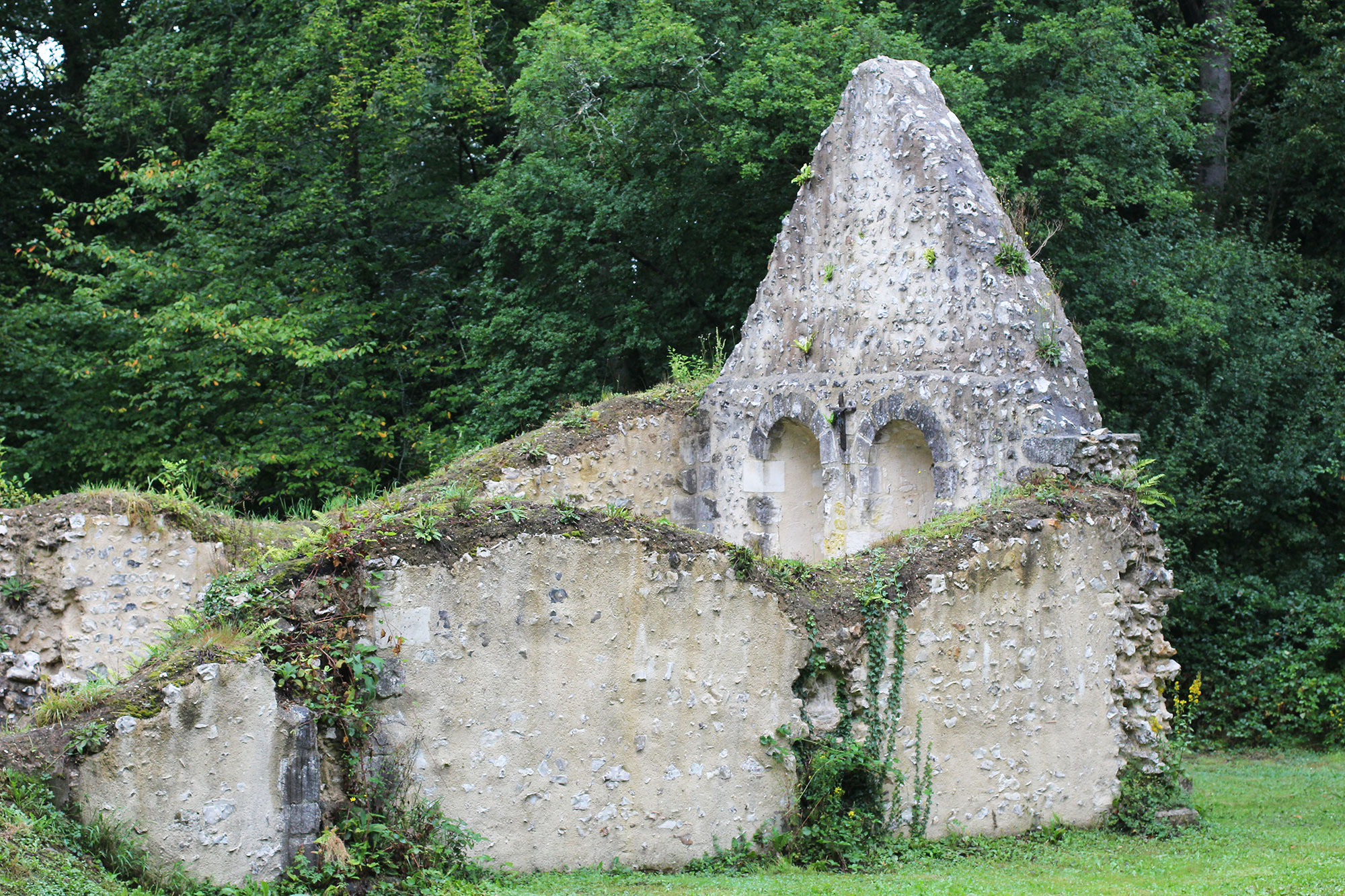
News - Mercury Detected in Medieval Lepers’ Dental Calculus - Archaeology MagazineMedieval leprosariums: high levels of mercury and possible inequality in access to treatment

The results showed a clear difference between those buried in leprosariums and those who were not. “Individuals buried in leprosariums show significantly higher levels of mercury than those from other cemeteries, and our analyses indicate that this mercury was incorporated during life and not from the soil,” noted Fiorin. The researcher added: “Moreover, there is no evidence of local environmental sources, such as mining, that could explain these patterns.”

This point is key to interpreting the finding. If there were no local environmental sources to explain the presence of the metal, the medical hypothesis gains strength. Additionally, the fact that the mercury in dental calculus was higher than that detected in the soil suggests that the metal may have entered the ground from the contaminated bodies themselves, rather than the other way around.

The study also identified differences within the leprosariums themselves. The highest levels of mercury were found in the remains of two individuals buried in a chapel of the leprosarium. This location could indicate that they were individuals of higher status or with access to more medical treatments, although the interpretation requires caution because burial in religious spaces could also respond to other social or spiritual factors.

In other words, the finding suggests a possible medieval health inequality. Not all sick individuals would have received the same amount or intensity of treatment, and those buried in more prestigious areas may have had access to more frequent care. Mercury, then, reveals not only a medical practice but also social differences within institutions dedicated to the isolation and care of sick individuals.

Medicine, toxicity, and archaeology: what mercury reveals about the Middle Ages

The use of mercury in medieval medicine shows how treatments could combine therapeutic intent and toxic risk. In an era without modern knowledge of toxicity, the metal was applied in ointments for diseases such as leprosy and syphilis, despite the fact that it is now known to cause severe harm to the body. Chemical archaeology allows us to verify that these practices were not just recorded in medical texts but left physical traces in the bodies.

The work published in the Journal of Archaeological Science also provides a highly valuable methodological tool. Dental calculus appears as a source of information capable of complementing traditional analyses of bones, teeth, and hair. This opens new possibilities for studying treatments, environmental exposures, and health practices in ancient populations, especially when other tissues do not preserve well.


La Derecha Diario on X

  1. TRUMP RATIFICÓ QUE ATACAR A IRÁN FUE LA DECISIÓN CORRECTA PARA PROTEGER A ESTADOS UNIDOS "A LARGO PLAZO", PERO ENTIENDE LA DERROTA POR LA SUBA DE LA NAFTA El presidente estadounidense defendió su ofensiva militar contra Irán por ser "lo correcto a largo plazo para proteger a Estados Unidos y al mundo" y aseguró que la derrota se debió a que la principal preocupación de los votantes fue el aumento del precio de la gasolina producto de la guerra: "La gente está de acuerdo con lo que estoy haciendo en Irán, pero probablemente no estaba dispuesta a asumir la consecuencia a corto plazo de pagar más por la gasolina. Lo entiendo, aunque no estoy de acuerdo. Es un problema a corto plazo, pero traerá beneficios a largo plazo".

    3 hours ago

  2. Enojado con Greg Abbott por haber perdido las elecciones y permitido que una mexicana comunista gobierne Texas, Elon Musk suspendió la cuenta del gobernador en X. El multimillonario, que tiene importantes inversiones en Texas a través de SpaceX y Tesla, habría tomado la decisión tras la derrota del gobernador republicano frente a la demócrata Gina Hinojosa, quien hizo campaña contra los proyectos de Musk en el estado.

    3 hours ago

  3. Trump salió a reventar al gobernador de Texas tras la histórica derrota por haberse moderado en sus políticas: "Si Greg Abbott no se hubiera convertido en un RINO (republicano solo de nombre) durante los últimos seis meses de su vida política, no habría perdido. Volvió a su fórmula original, ¡y el resultado no fue nada agradable! Presidente DONALD J. TRUMP".

    3 hours ago

  4. AHORA — El presidente Donald Trump tras las elecciones legislativas: "Estoy ansioso por llegar a acuerdos con los demócratas. No quiero pasar mis últimos dos años vetando todo".

    3 hours ago

  5. URGENTE — LA DEMÓCRATA LATINA DE EXTREMA IZQUIERDA GINA HINOJOSA GANÓ LA GOBERNACIÓN DE TEXAS La ultraizquierdista derrotó al republicano Greg Abbott y se convirtió en la primera gobernadora latina de Texas y la primera demócrata en gobernar el estado desde Ann Richards, en 1995. Hinojosa hizo campaña prometiendo combatir al ICE y, en el plano económico, prohibir la instalación de centros de datos en el estado y expulsar las operaciones de Elon Musk en Texas, especialmente las de SpaceX y Tesla, mediante restricciones a sus proyectos y la revisión de concesiones estatales.

    4 hours ago

La Derecha Diario logo
TwitterInstagramYouTubeTikTokFacebook
Derecha Diario TV

Nosotros

  • Quienes Somos
  • Autores
  • Donar

Privacidad

  • Protección de datos
  • Canales
  • Sitemap
  • RSS

Contacto

  • info@derechadiario.com.ar
PUBLICIDAD
La Derecha Diario logo
ESX logoInstagram logoYouTube logoTikTok logoFacebook
ARGENTINAUNITED STATESECUADORISRAELMEXICOURUGUAY
DERECHA DIARIO TV
  • ES
    XInstagramYouTubeTikTokFacebook
  • DERECHA DIARIO TV
  • Sections
  • ARGENTINA
  • UNITED STATES
  • ECUADOR
  • ISRAEL
  • MEXICO
  • URUGUAY
  • Countries
  • La Derecha Diario logoLA DERECHA DIARIO
  • La Derecha Diario México logoLA DERECHA DIARIO MÉXICO
  • La Derecha Diario Uruguay logoLA DERECHA DIARIO URUGUAY
  • La Derecha Diario Ecuador logoLA DERECHA DIARIO ECUADOR
  • La Derecha Diario Israel logoLA DERECHA DIARIO ISRAEL
  • La Derecha Diario Estados Unidos logoLA DERECHA DIARIO ESTADOS UNIDOS
  • Topics
  • GUERRA EN IRÁN
  • The Newspaper
  • QUIENES SOMOS
  • AUTORES
  • PUBLICIDAD
  • DONAR

Related news

Who are the five winners of Popstars that make up the new band Chapeaux

Who are the five winners of Popstars that make up the new band Chapeaux

MILEI EFFECT: Pinterest bets on Argentina and will open its first commercial hub in Buenos Aires

MILEI EFFECT: Pinterest bets on Argentina and will open its first commercial hub in Buenos Aires

The Milei Government is preparing a special transportation operation for the visit of Pope Leo XIV

The Milei Government is preparing a special transportation operation for the visit of Pope Leo XIV

Blue tsunami: historic defeat of the Republican Party in the United States legislative elections

Blue tsunami: historic defeat of the Republican Party in the United States legislative elections

The US Supreme Court could support Catholic schools that reject conditions on gender identity

The US Supreme Court could support Catholic schools that reject conditions on gender identity

Boca is excited about the return of Tomás Aranda: Can he stand before Defensa y Justicia?

Boca is excited about the return of Tomás Aranda: Can he stand before Defensa y Justicia?