




Societies often believe that power can limit itself. It is a reassuring idea. It consists of imagining that it is enough to divide the same structure into different offices for each to control the others. However, history shows that incentives rarely work that way. Those who are part of the power often have more interests in common with each other than with the citizens they claim to represent.
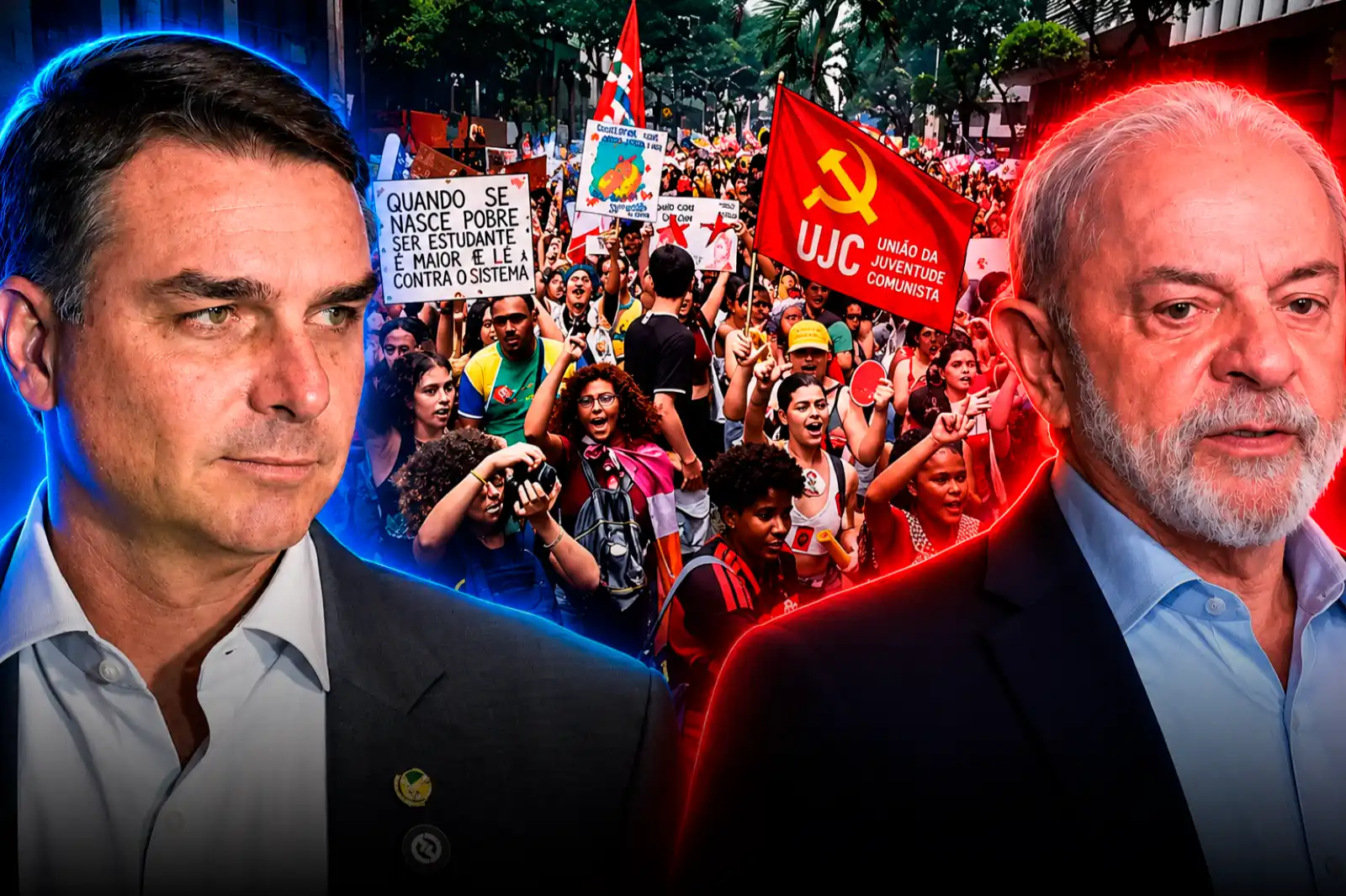
The episode that occurred in the Palácio do Planalto brought this issue back to the forefront. At the end of an official event, an open microphone recorded an informal conversation in which President Luiz Inácio Lula da Silva invited Supreme Federal Court Minister Alexandre de Moraes to have a coffee. The video, broadcast by the official transmission itself, quickly went viral due to the Brazilian political context and the tensions surrounding both the Government and the highest court.
The real debate, however, does not revolve around a coffee. It revolves around a much deeper question. Can power truly control itself?
Constitutional theory answers yes. For this, there is the separation of powers, checks and balances, and institutional guarantees. But practice tends to be much more complex. Judges are appointed through political agreements. The budgets of the courts depend on the State. The competencies of each power are defined by rules created by the state apparatus itself. Those who make up these institutions do not operate in separate universes; they are part of the same structure whose incentives often converge.
From the classical liberal tradition, there has always been a deep distrust of the concentration of power. But libertarian criticism goes a step further. The problem is not only that one power can abuse another. The problem is believing that an organization can simultaneously become the judge and the party of its own limits.



