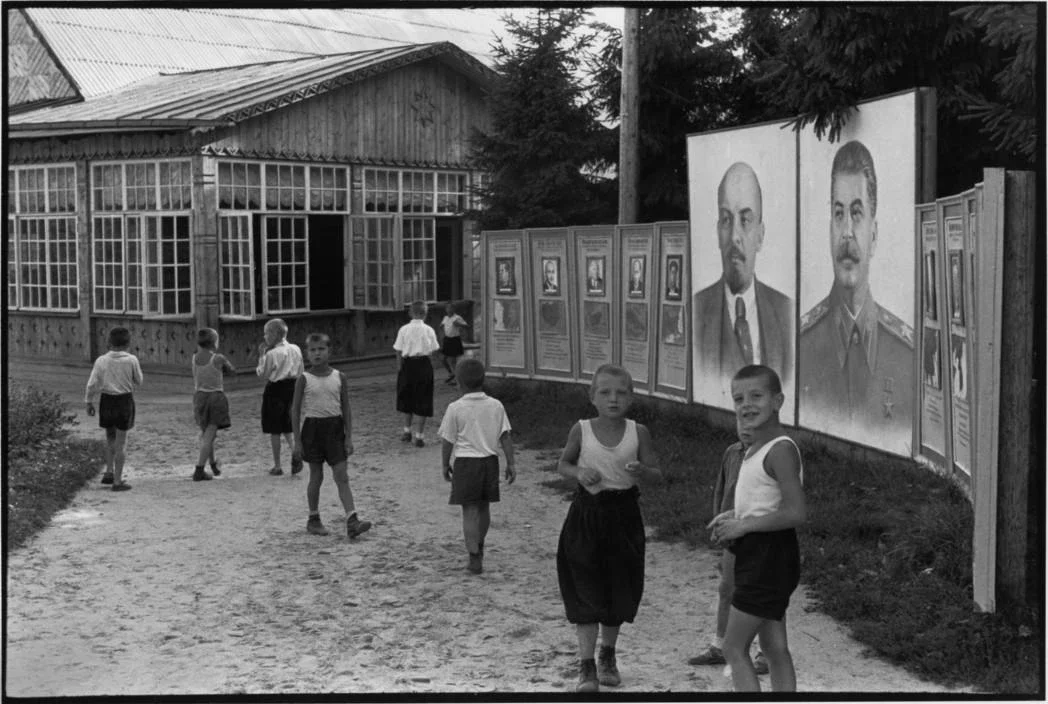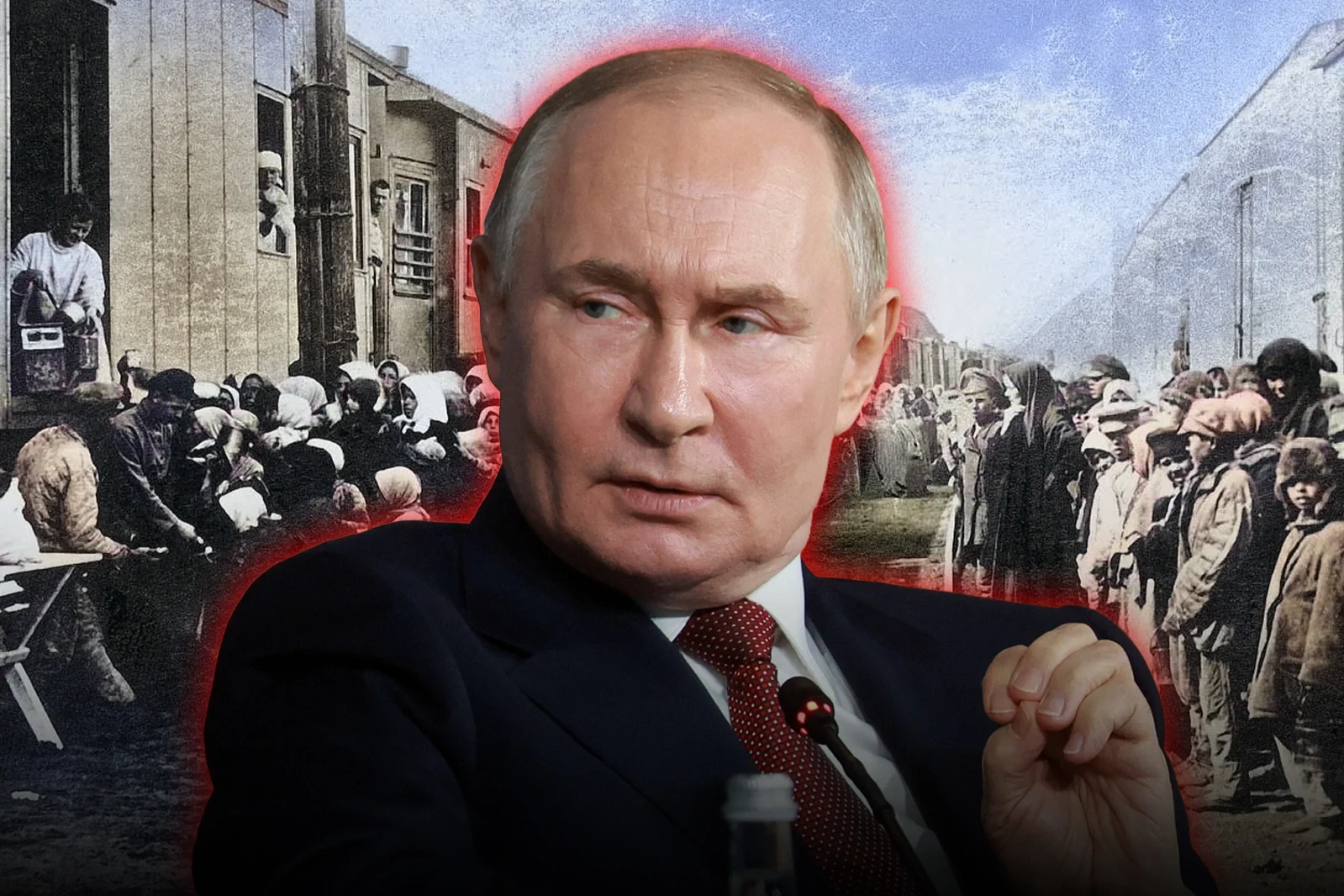

The Government of Vladimir Putin is analyzing a controversial reform that could lower the minimum working age to 12 years and reopen child labor camps similar to those used during the Soviet era.
The initiative arises in a context of deep labor shortages, exacerbated by the impact of the war in Ukraine and the demographic crisis facing the country.
The proposal is driven by the children's rights advocate in Moscow, Olga Yaroslavskaya, who raised the need to modify existing legislation to allow younger teenagers to enter the labor market, at least partially during vacation.
“When we talk to teenagers aged 12 and older, almost all of them want to work in the summer,” the official stated during a press conference on child safety. In this regard, she argued that the measure would allow young people to earn “a little money” and occupy their time in a structured way.
Currently, Russian regulations allow the employment of minors from the age of 14 with parental consent, or from 15 independently. However, Yaroslavskaya believes that this framework is insufficient given the current situation and emphasized that “it is no secret that we need to change federal labor legislation.”
One of the most controversial aspects of the proposal is the possible reactivation of child labor camps, a common practice during the Soviet Union. The official defended this idea by asserting that these spaces could provide support and organization for teenagers, especially those whose families cannot afford prolonged recreational activities.