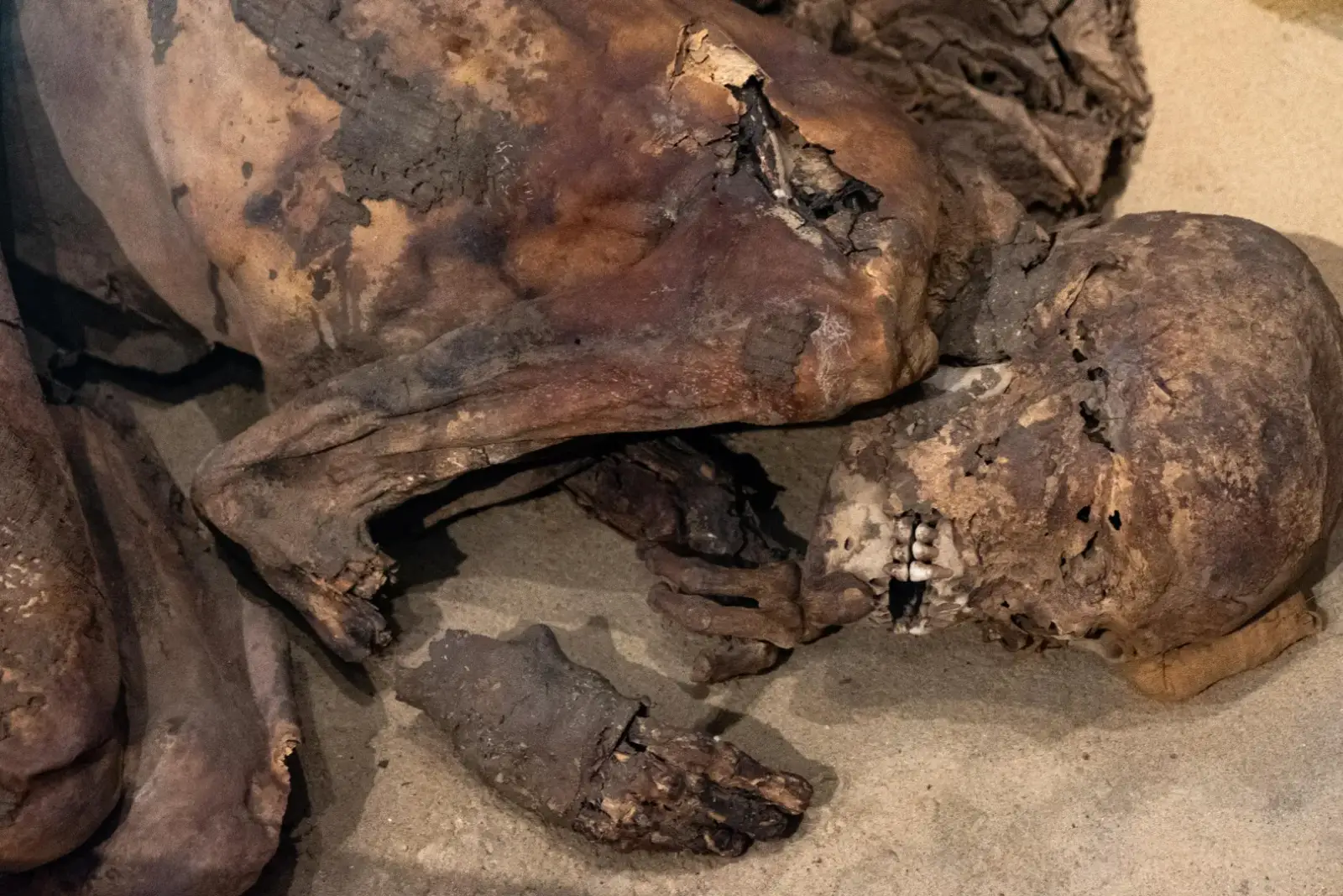
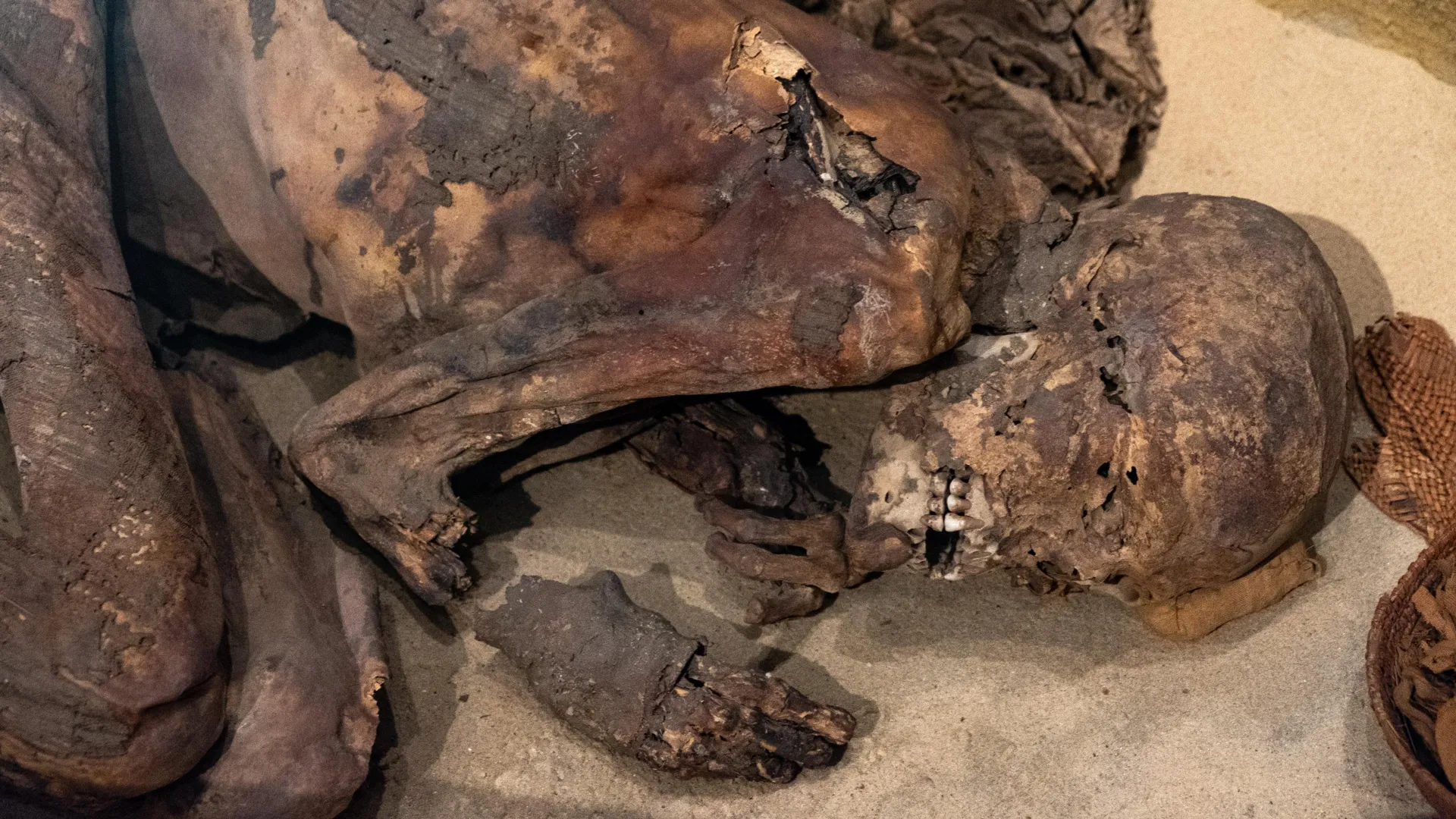
A forensic study of 46 skulls found in Abydos shows fatal injuries in 39% of cases and reinforces the old suspicion that royal servants were sacrificed when monarchs died
A recent forensic analysis of skulls dating back about 5,000 years provided new evidence of a disturbing practice linked to the early kings of a unified Egypt. Scientists reexamined 46 skulls recovered near the royal tombs of Abydos and found evidence of potentially fatal cranial trauma in 18 of them. This represents approximately 39% of the individuals studied and reinforces the hypothesis that part of the royal entourage was sacrificed upon the monarch's death.
The findings support a theory proposed over a century ago by archaeologist Flinders Petrie. While excavating in the 1920s, Petrie noted an unusually high number of people buried around the kings of the First Dynasty. He suspected they were retainers sacrificed to accompany the ruler in the afterlife, but he could not demonstrate fatal injuries in the remains.
Now, with modern techniques, researcher Roselyn Campbell from Purdue University identified linear fractures in several skulls that Petrie had interpreted as post-mortem damage. These fractures occurred around the time of death and, according to the specialist, would have caused rapid unconsciousness, internal bleeding, and death.
Some of the 18 skulls also show trauma from sharp weapons, including a cutting blow to the eye area of one of the individuals. This data provides the physical backing that was missing from the idea of the sacrifice of retainers in the funerary rites of the early pharaohs.
The Tombs of Abydos and the Mystery of Secondary Burials
By around 3000 B.C., the first kings of Egypt built elaborate funerary complexes in Abydos. Next to the royal tombs were additional chambers and areas designated for ceremonies. Surrounding these structures were dozens or even hundreds of smaller graves arranged in rows.
Each secondary burial was a simple chamber. Some bodies had a simple coffin; most had a few funerary objects such as ceramic vessels, copper tools, projectile points, or small ivory figurines. Petrie found a few markers with names and titles that seemed to correspond to mid- or low-ranking officials and artisans.
Campbell explained that the sacrifice of retainers involves killing individuals close to the ruler when he dies. This practice occurred in various cultures with the belief that these individuals would continue to serve the king in the afterlife, or as a demonstration of power. Some may have accepted their fate; others may have been chosen or forced.
Although the cranial injuries are compelling, the exact circumstances of the deaths remain unclear. Egyptian art often depicts kings striking enemies with maces, but the retainers of Abydos were not enemy combatants. Moreover, the observed fractures are mostly linear, more typical of impacts with wide, flat objects or severe falls, and not of the typical depressions from a mace.
Limits of Evidence and New Questions
Accidental falls cannot be completely ruled out. However, a fall capable of fracturing the skull would have left injuries on other parts of the skeleton, and these do not appear in Petrie's records or photographs. It is also unknown how the remaining individuals died: some may have died of natural causes, while others may have been eliminated by methods that left no bone marks, such as asphyxiation.
The majority of the complete skeletal remains were reburied over a century ago, so researchers could only work with a selection of skulls preserved in the Duckworth collection at the University of Cambridge. Campbell emphasized that these retainers are often relegated to footnotes in the grand narrative of the kings, and she wondered who they really were and how they viewed their own role in the life and death of the sovereign.
The study, published in Frontiers in Environmental Archaeology, shows how much ancient archaeological collections can reveal new information when reviewed with current methods. Campbell expressed her desire to someday locate the rest of the bodies for more detailed analysis. Meanwhile, the available evidence confirms that at least a significant portion of those accompanying the early kings of Egypt may have been deliberately killed to continue serving them beyond death.